Author: Champe

  • THE HUMAN COST OF FUEL

    THE HUMAN COST OF FUEL

    By Chelangat Caren,


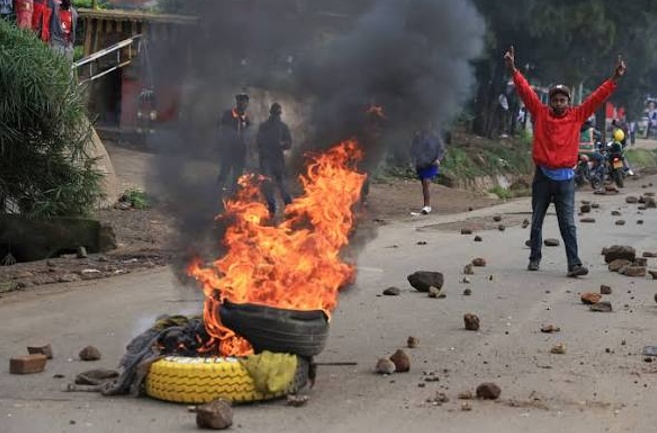
    On the morning of May 18, 2026, Nairobi did not wake up to matatu horns. It woke up to silence. Thika Road was blocked with burning tires. Mombasa Road was deserted. And in three towns across the country, families got the call no one wants: “There has been an incident.”

    By evening, Interior Minister Kipchumba Murkomen was on national TV with a number that would define the day: four Kenyans dead. Thirty injured. All of it over the price of fuel. The strike had been announced days before. Transport operators said they could not run matatus and boda-bodas on diesel at Ksh 242.92 a liter. The math did not work. So at midnight, the wheels stopped.

    What started as a planned work stoppage turned into something messier. In Nairobi, protesters blocked key arteries into the city. In Githurai and Kayole, roads were barricaded with stones and burning tires. Police responded with tear gas. In some areas, it escalated to running battles.

    Murkomen told a televised press conference, “We lost four Kenyans in today’s violence, which also saw more than 30 people injured.” He said “criminal elements” had hijacked peaceful protests, targeting government and private property. Protest organizers said police overreacted to unarmed crowds.

    The deaths happened in three locations: two in Nairobi’s outskirts, one in Nakuru, and one in Mombasa. The injured filled hospitals in Kenyatta National, Mama Lucy, and Coast General. Some had gunshot wounds. Others had injuries from being caught in stampedes as tear gas filled narrow streets.

    The government has not released names yet, citing ongoing investigations. But the stories are already circulating on social media and in hospital corridors.

    There is the 27-year-old matatu conductor in Embakasi who was on his way to work when he got caught between protesters and police. He died from a head injury. His wife posted a photo of him with their 2-year-old daughter: “You were going to work. Not to fight.”

    In Nakuru, a 19-year-old college student was shot while watching the protests from the roadside. His classmates say he was not throwing stones. He was just curious.

    A 42-year-old market trader in Mombasa died after being trampled during a stampede near Kongowea Market. She was trying to close her stall early.

    The 30 injured include a 14-year-old boy hit by a stray canister in Githurai, a boda rider with a fractured leg in Thika, and three police officers injured when protesters threw stones.

    These are not statistics. They are people who left home that morning expecting a normal Monday. They did not expect to become part of Kenya’s fuel price history.

    The immediate trigger was EPRA’s announcement: super petrol at Ksh 214.25, diesel at Ksh 242.92 for the May 15–June 14 cycle. That is a 23.5% jump in one month, on top of a 24.2% hike in April.

    The government blamed the Iran war and the closure of the Strait of Hormuz. Former Deputy President Rigathi Gachagua blamed corruption: “How can we be paying more for fuel than our neighbors when it comes through our own ports?”

    For ordinary Kenyans, the cause matters less than the effect. Food prices jumped. Transport fares doubled overnight. Gabriel Odhiambo, 24, told Reuters four tomatoes now cost Ksh 60—triple what they cost last month.

    When people feel cornered economically, protests become inevitable. When those protests meet heavy-handed policing, deaths become possible.

    By Tuesday morning, May 19, Nairobi was quiet again. Buses were running, but at half capacity. The hashtag #RejectFuelPrices was still trending at number one on X.

    The government announced a meeting between the finance, transport, and energy ministers and transport operators to find a solution. Finance Minister John Mbadi said current prices are already subsidized.

    But for the families of the four dead, “solution” is too late. For the 30 injured, it is about hospital bills and lost wages.

    Human rights groups are demanding independent investigations into the use of force. Amnesty International Kenya said Article 37 protects peaceful assembly, and police must distinguish between protesters and criminals.

    The Interior Ministry maintains most of the country remained peaceful and that the violence was caused by “mobilized criminal elements.” Protest organizers say the violence started when police fired tear gas into unarmed crowds.

    Kenya has been here before. Fuel protests in 2018. Anti-finance bill protests in 2024. Each time, the pattern repeats: prices rise, people protest, someone dies, a committee is formed, and life moves on.

    The question is whether this time is different. Four people died so that the rest of the country could talk about fuel prices without looking away. Thirty are in hospital beds wondering if their injuries will cost them their jobs.

    If their deaths become just another line in a news report, then nothing changes. If they become the reason the government sits down with transport operators and actually listens, then maybe something does.

    Kenya’s fuel crisis will not be solved by tear gas. And it will not be solved by ignoring the math that makes matatus unviable. It will be solved when policy meets the reality of a mama mboga in Githurai who cannot afford fare to the market.

    Until then, four families are burying their dead. Thirty are healing. And the rest of us are left with the question: how many more have to die before we fix the price at the pump?
     

  • EBOLA IMERUDI?

    EBOLA IMERUDI?

    Na Chelangat Caren,

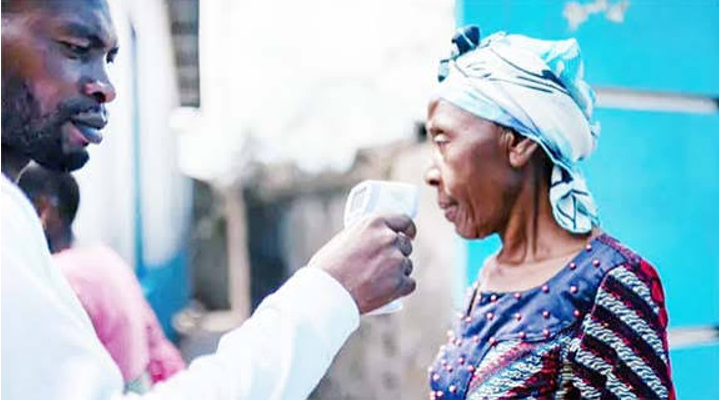
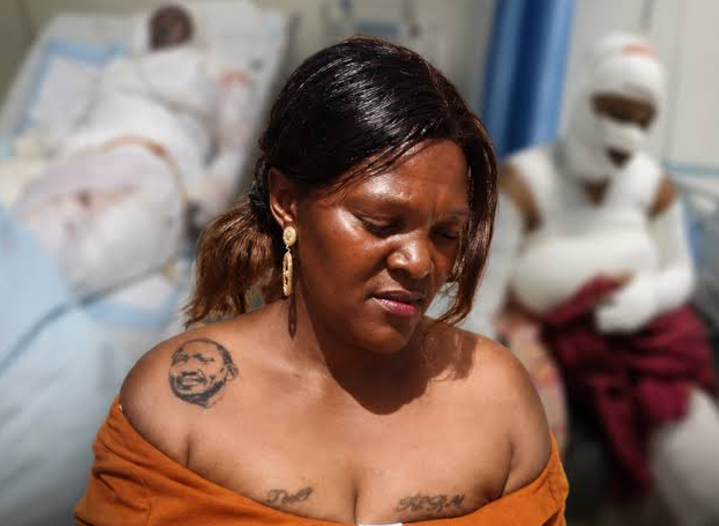
    Usiku huo saa tatu, simu ilipiga na kila kitu kilibadilika. Sauti upande wa pili ilitetemeka, “Daktari, mgonjwa wetu ana homa kali, anatoa damu mdomoni, na ana kuhara. Sijui nifanye nini.” Hii ndiyo simu ambayo kila mfanyakazi wa afya anaogopa kupokea, kwa sababu mara nyingi inamaanisha neno moja tu , Ebola.

    Ebola si ugonjwa wa kawaida kama mafua au malaria. Ni virusi vya kikatili vinavyoingia mwilini kimya kimya, kisha vinaanza kuvunja kila kitu kwa ndani. Mara ya kwanza uligunduliwa ilikuwa mwaka 1976 karibu na Mto Ebola nchini Kongo, na tangu wakati huo jina lake limekuwa sawa na hofu. Hauambukizwi kwa hewa kama homa ya kawaida, bali unapata ukigusa damu, jasho, mate, au majimaji yoyote ya mtu aliyeambukizwa. Ndiyo maana wahudumu wa afya, wazishi, na hata jamaa wa karibu ndio wako hatarini zaidi.

    Mwanzoni dalili zake zinaonekana kama za mafua ya kawaida – homa kali, uchovu, maumivu ya kichwa na misuli. Lakini ndani ya siku chache mwili huanza kujisaliti. Ngozi hupata mabaka, macho yanageuka mekundu, na damu huanza kutoka pua, mdomoni, na hata kwenye kinyesi. Ndiyo maana watu wengi wanapoona jina Ebola, mioyo yao huanza kudunda kwa hofu.

    Kinachofanya Ebola kuwa hatari zaidi si tu nguvu yake ya kikatili, bali ni kasi na hofu inayokuja nayo. Virusi hivi vinaweza kumuua mtu ndani ya siku saba hadi kumi na nne tangu dalili zianze kuonekana. Na kwa muda mrefu hakukuwa na dawa au chanjo, hivyo watu walihisi kama wameshikwa na adui asiyeweza kushindwa. Hofu hiyo ndiyo inayofanya jamii kujificha, wagonjwa kukimbia hospitali, na ugonjwa kusambaa zaidi bila kudhibitiwa. Tukumbuke mlipuko wa mwaka 2014 Afrika Magharibi, ambapo zaidi ya watu 11,000 walipoteza maisha. Sio kwa sababu virusi vilikuwa vikali kuliko hapo awali, bali kwa sababu taarifa hazikufika haraka, wagonjwa walifichwa, na jamii haikuamini wafanyakazi wa afya. Hapo ndipo tulipojifunza somo kubwa – Ebola hauuawi na sindano peke yake. Unauawa na ukweli, usafi, na uaminifu kati ya serikali na wananchi. Wakati watu wanaogopa kuzungumza ukweli, ugonjwa unapata nafasi ya kukua kimya kimya hadi unapokuwa mlipuko mkubwa.

    Lakini habari njema ni kwamba leo hatuko pale tulipokuwa miaka kumi iliyopita. Sayansi imeendelea, na pamoja nayo imetuletea matumaini mapya. Tangu mwaka 2019, chanjo ya Ebola imeidhinishwa na inatumika wakati wa milipuko. Chanjo hii haizuii tu maambukizi, bali inapunguza kasi ambayo ugonjwa unasambaa katika jamii. Pia matibabu yameboreshwa. Sasa wagonjwa wanaoingia hospitalini mapema wana nafasi kubwa ya kupona, hasa wakipatiwa maji, elektroliti, na matibabu ya kuunga mkono mwili wao kupambana na virusi. Lakini labda silaha kubwa zaidi ni elimu. Kila kijiji kinapojua dalili za Ebola, kila mtu anapojua umuhimu wa kunawa mikono na kuepuka kugusa maiti bila kinga, mzunguko wa ugonjwa unakatika. Serikali ya Kenya kupitia Wizara ya Afya imeweka mifumo ya ufuatiliaji mipakani na ina timu za majibu ya haraka zinazosubiri kwa macho. Hata hivyo, ukweli ni kwamba mlinzi wa kwanza wa Ebola si daktari wala polisi. Ni wewe mwenyewe, jirani yako, na mtu wa kawaida anayejua nini cha kufanya wakati wa hatari.

    Hivyo basi, tukijiuliza jinsi ya kushinda Ebola, jibu liko rahisi kuliko tunavyofikiri. Si vita ya bunduki wala ya hela nyingi, bali ni vita ya taarifa, usafi, na uaminifu. Wakati wa mlipuko wa Liberia mwaka 2014, muuguzi mmoja alisema maneno  yanayonisukuma hadi leo: “Sina silaha, sina bunduki. Silaha yangu ni sabuni, maji, na ukweli.” Alipona, na wagonjwa wengi aliowahudumia nao walipona. Hilo linatuonyesha kwamba hata katika giza kubwa zaidi, matendo madogo yanaweza kuwa nuru. Leo hii Ebola haiwezi kushinda jamii inayojua dalili zake, inayonawa mikono mara kwa mara, na inayothubutu kusema ukweli haraka kabla ya kuchelewa. Kwa hiyo usisubiri habari za televisheni zikuitie hofu. Jiulize sasa hivi – je, ninajua dalili za Ebola? Je, nyumbani kwangu kuna sabuni na maji safi? Je, ningeweza kumwambia jirani yangu bila woga kama ninaona mtu anaonyesha dalili hizo? Maswali haya madogo ndiyo yanayotutofautisha kati ya jamii inayoporomoka na jamii inayostahimili.

    Na hapa ndipo hitimisho lisilosahaulika linapokuja. Ebola haitakumbukwa kwa idadi ya watu iliyoua, bali itakumbukwa kwa idadi ya watu walioamua kusimama pamoja na kusema kwa sauti moja, “Hapa hatukupiti.” Virusi hivi vinaweza kuwa na nguvu, lakini havina nguvu zaidi ya umoja wetu. Havina nguvu zaidi ya mama anayemfundisha mtoto wake kunawa mikono kabla ya kula. Havina nguvu zaidi ya kijana anayekimbia kumjulisha kiongozi wa kijiji kuwa kuna mgonjwa mwenye dalili za ajabu. Ebola inatisha kwa sababu inatukumbusha udhaifu wetu kama binadamu. Lakini pia inatukumbusha nguvu yetu kubwa zaidi – uwezo wetu wa kujali, kushirikiana, na kuchagua maisha dhidi ya kifo. Hivyo basi, wakati ujao ukiskia neno Ebola, usikimbie kwa hofu. Simama, jua ukweli, chukua hatua, na kumbuka kwamba ushindi dhidi ya ugonjwa huu huanza na wewe. Kwa sababu mwishowe, Ebola haishindi wanadamu walioamka.

  • KAYOLE INAOMBOLEZA

    KAYOLE INAOMBOLEZA

    Na Chelangat Caren,

    Jioni ya Mei 18, 2026, maneno hayo yalirudi kwa wengi wa Nairobi kama mshale. Siku hiyo, sauti ya Rachael Wandeto ilinyamaza milele. Mwanamuziki wa injili, mama, dada, na sauti iliyokuwa ikisikika kanisani na mitandaoni, alifariki katika shambulio la moto linaloshukiwa kuwa la kisiasa;alikua na miaka 31 tu.

    Rachael hakuzaliwa maarufu. Alikulia Kayole, akipanda daladala asubuhi na mapema kwenda mazoezi ya kwaya Buru Buru. Marafiki zake wanasema alikuwa wa kwanza kufika na wa mwisho kuondoka. “Kama hukuimba kwa moyo, usiimbe kabisa,” alikuwa akiwaambia watoto wa Sunday School walipomzunguka baada ya ibada.

    Wimbo wake wa kwanza, “Nitashinda”, ulivuma mwaka 2023. Sio kwa sababu ulikuwa na beat nzito, bali kwa sababu ulikuwa na ukweli. Rachael aliimba kuhusu kufeli, kupona, na kuamka tena. Vijana wengi waliuona kama wimbo wao wa maisha.

    YouTube yake ilifikia watazamaji 200,000 kwa muda wa miezi sita. Alikuwa anakaribia kutoa album yake ya pili. Ilitokea Kayole, nyumbani kwake. Majirani wanasema waliona watu wawili wakishuka kwenye pikipiki muda mfupi kabla ya moto kuwaka. Ndani, Rachael alikuwa peke yake. Mumewe alikuwa kazini Mombasa, watoto wawili kwa shangazi.

    Moto ulizima kabla ya kufika vyumba vya jirani, lakini chumba cha Rachael kiliteketea. Polisi wanasema uchunguzi unaendelea, lakini tayari kuna uvumi kuwa ilikuwa kulipiza kisasi kisiasa. Rachael hivi karibuni alikuwa amechapisha wimbo unaokosoa unyanyasaji wa kisiasa dhidi ya vijana.

    “Kama ni siasa ilimuuwa, basi tumepoteza zaidi ya mwanamuziki,” aliandika mmoja wa mashabiki zake X. “Tumepoteza dhamiri. “Habari ya kifo chake ilisambaa haraka. Kanisa la PCEA Kayole lilijaa siku iliyofuatia. Vijana walibeba mabango yakiandika “Rachael, Uliimba Kwa Sisi”

    Mike Sonko alifika na maua meupe. Eric Omondi, ambaye siku moja kabla alikuwa mtaani na jerricans tupu, alisimama nje ya nyumba yake na kusema, “Hii si siasa tena. Hii ni maisha ya mtu.”

    Mitandaoni, hashtag #JusticeForRachael ilipanda hadi nafasi ya pili nchini. Wasanii kama Mercy Masika na Guardian Angel walipakia video wakilia na kuimba mistari yake.Lakini kati ya machozi yote, kitu kimoja kilirudiwa: Rachael alikuwa wa watu wa kawaida. Hakuwahi kusahau Kayole. Alikuwa anafadhili masomo ya watoto watatu wa yatima. Alikuwa ananunua unga kwa wajane wa kanisani kila mwisho wa mwezi.

    Mazishi yatafanyika Jumamosi nyumbani kwao Kisii. Lakini tayari wengi wanasema Rachael hatazikwa kweli. Kila wakati kijana anapopata nguvu ya kusimama baada ya kuanguka, anaimba “Nitashinda”. Kila wakati mama anaposhindwa kulipia nauli lakini bado anaamini kesho itakuwa njema, anasikia sauti ya Rachael.

    Siasa inaweza kuchoma nyumba. Risasi inaweza kunyamaza mdomo. Lakini wimbo unaoingia moyoni hauwezi kufa.Rachael Wandeto alikuja kimya, akaimba kwa nguvu, akaondoka ghafla. Sasa ni jukumu letu kuhakikisha wimbo wake hauzimi na yeye.

    Kwa sababu kama alisema mwenyewe katika wimbo wake wa mwisho kabla ya kufa:  “Wakiuzima mshumaa wangu, nitawaka kama jua.”


  • DAYSTAR UNIVERSITY WINS KES 17.5 MILLION NATIONAL CHILD LABOUR STUDY GRANT

    DAYSTAR UNIVERSITY WINS KES 17.5 MILLION NATIONAL CHILD LABOUR STUDY GRANT

    By Tracy Kavai,


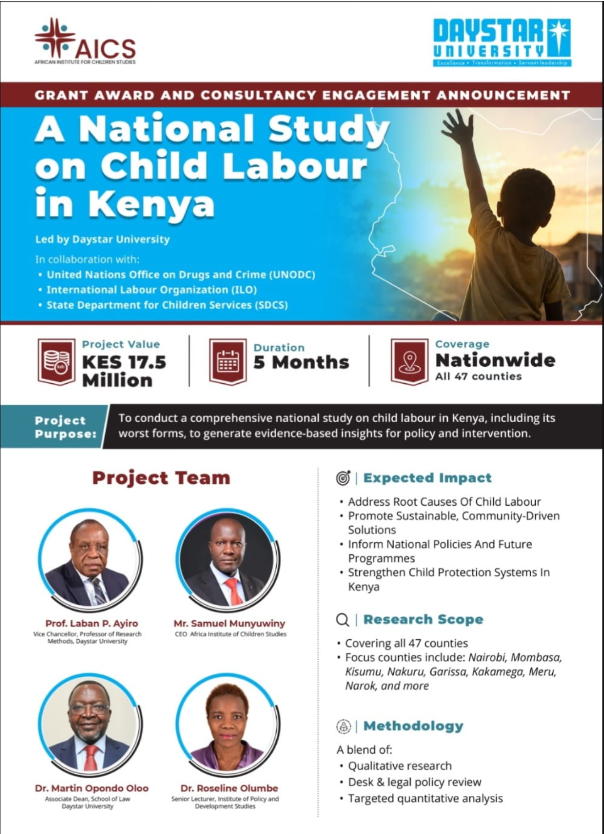
    Daystar University has secured a landmark national research grant and consultancy engagement worth KES 17.5 million to implement a nationwide study on child labour in Kenya.

    The announcement was made by the Directorate of Research, Innovation, Commercialization, and Entrepreneurship (DRICE), describing the achievement as a major milestone for the university’s growing reputation in impactful and policy-driven research.

    The five-month study will cover all 47 counties in Kenya and aims to generate evidence that will help inform public policy, strengthen child protection systems, and guide future interventions aimed at combating child labour and its worst forms.

    The research project will be conducted in collaboration with the United Nations Office on Drugs and Crime, the International Labour Organization, and the State Department for Children Services. The partnership highlights Daystar University’s increasing recognition as a trusted institution in national and international research engagements.

    DRICE congratulated the project team led by Prof. Laban P. Ayiro, Vice-Chancellor and Professor of Research Methods at Daystar University. Other members of the team include Dr. Martin Opondo Oloo, Dr. Roseline Olumbe, and Samuel Munyuwiny, who is also a Daystar PhD student and adjunct lecturer.

    According to DRICE, the achievement reflects the power of visionary leadership, multidisciplinary scholarship, doctoral talent, and strategic collaboration in addressing pressing national challenges affecting children in Kenya.

    The Directorate further noted that the project aligns with Daystar University’s commitment to advancing justice, influencing public policy, and transforming society through meaningful research and innovation.


    In a statement signed by Dr. Caroline Ayuya Muaka, the university community was encouraged to celebrate the milestone and congratulate the research team for bringing pride and recognition to Daystar University.


  • Je, AI itaharibu au kujenga vyuo vyetu vikuu

    Je, AI itaharibu au kujenga vyuo vyetu vikuu

    Na Chelangat Caren,


    Fikiria darasa ambalo mwalimu hachoki, hajui kuchoka, na anaweza kujibu swali la mwanafunzi saa 2 usiku kwa lugha ya Kiswahili safi. Hii si ndoto ya mbali tena. Akili Mnemba, au Artificial Intelligence, imeingia madarasani na inabadilisha jinsi tunavyojifunza na kufundisha.

    Vyuo vikuu duniani kote, na sasa pia Kenya, vinakabiliwa na swali kubwa: Je, AI itaharibu uadilifu wa elimu au itakuwa chombo kitakachofungua milango mipya ya ubunifu? Daystar University na taasisi nyingine nchini zimeanza majadiliano makubwa kuhusu hili, na mwezi huu wanajiandaa kwa mkutano wa _AI na Higher Education in Africa.Swali si tena kama AI itakuja, bali ni jinsi gani tutaitumia bila kupoteza utu wetu.

    Kwa miaka mingi, elimu ya chuo kikuu imeegemea mhadhara, noti, na mitihani ya kukariri. AI inavunja mfumo huu. Sasa mwanafunzi anaweza kutumia zana kama ChatGPT, Grammarly, au majukwaa ya kujifunzia yanayotumia AI kupata maelezo yaliyobinafsishwa kulingana na kasi yake ya uelewa.

    Mwalimu hawezi tena kuwa mwenye ujuzi wote chumbani. Badala yake, anakuwa mwezeshaji. Anamwongoza mwanafunzi jinsi ya kuuliza maswali sahihi, kuchambua majibu ya AI, na kutofautisha ukweli na upotoshaji. Katika shule za mawasiliano na sheria, hii inamaanisha wanafunzi wanafunzwa kufikiri kwa kina zaidi, si tu kunakili majibu.

    Vyuo vikuu kama Daystar vimeanza kutumia AI kwa ajili ya uandikishaji, ushauri wa kitaaluma, na hata kutathmini kazi za wanafunzi. Matokeo yake ni muda mwingi kwa walimu kuzingatia ubunifu na utafiti.

    Lakini si kila kitu ni nyekundu na jekundu. Wasiwasi mkubwa ni kuhusu uaminifu wa kitaaluma. Mwanafunzi anaweza kumwambia AI aandike insha nzima, na mwalimu asigundue. Pia kuna hatari ya wanafunzi kutegemea AI kiasi cha kupoteza uwezo wao wa kufikiri wenyewe.

    Kuna pia suala la usawa. Si kila mwanafunzi ana simu janja, intaneti ya haraka, au umeme wa kutosha. Ikiwa AI itakuwa msingi wa elimu, tutafanyaje kuhakikisha mwanafunzi wa kijijini hapati adhabu kwa kukosa teknolojia?

    Pia, AI inajifunza kutoka kwa data zilizopo. Ikiwa data hizo zina upendeleo wa kikabila, kijinsia, au kitamaduni, basi AI itatoa matokeo yale yale. Vyuo vinapaswa kufundisha wanafunzi jinsi ya kutambua na kurekebisha upendeleo huu.

    Hapa ndipo Afrika inapotakiwa kuwa macho. Barani Ulaya na Marekani, AI inatumika zaidi kuongeza faida za makampuni. Lakini Afrika inaweza kuitumia kutatua matatizo yetu ya kipekee: ukosefu wa walimu, lugha nyingi, na elimu duni vijijini.

    Fikiria programu ya AI inayoweza kufundisha hesabu kwa Kiswahili, Dholuo, na Kimeru kwa mtoto aliye mashinani. Fikiria mwalimu mmoja anayesimamia wanafunzi 200 kwa msaada wa msaidizi wa AI. Hii ndiyo fursa ambayo mkutano wa Daystar unajaribu kuichunguza.

    Zaidi ya hayo, wanafunzi wa Afrika wanaweza kuwa watengenezaji wa AI, si watumiaji tu. Vyuo vinapaswa kuanzisha kozi za data science, ethics of AI, na machine learning mapema, ili kizazi kijacho kisibaki nyuma.

    Akili Mnemba si adui wala si mokozi. Ni chombo. Na kama chombo chochote, matokeo yake yanategemea mkono unaokishikilia.

    Vyuo vikuu vinapaswa kuacha kuogopa AI na kuanza kuivumilia, kuisimamia, na kuifundisha. Wanafunzi wanahitaji kujifunza si tu jinsi ya kutumia AI, bali jinsi ya kuitumia kwa uwajibikaji, ubunifu, na haki. Walimu wanahitaji mafunzo mapya ili wasibaki nyuma.

    Ikiwa tutafanya hivi, basi miaka kumi ijayo vyuo vya Afrika havitakuwa wafuasi wa teknolojia bali  viongozi wake. Na mwanafunzi wa kijijini Kenya ataweza kuwa na mwalimu bora zaidi duniani mkononi mwake, bila kusafiri kwenda nje ya nchi.

    Swali sasa si kama AI itabadilisha elimu. Swali ni: Je, sisi tuko tayari kuibadilisha elimu pamoja nayo?


  • LAW, ETHICS AND A LEAP OF FAITH

    LAW, ETHICS AND A LEAP OF FAITH

    By Chelangat Caren,


    On a sunlit morning at Daystar University’s Athi River campus, the sound of hymns mingled with the clink of polished gavel replicas. It was not a courtroom in session, but something that could reshape it: the unveiling of the David Musau Mumama Learning Complex, Daystar’s new home for legal education.


    In a country where courtrooms often feel distant and justice feels delayed, Daystar has laid a foundation—literally and philosophically—for a different kind of lawyer. One trained not just in statutes and precedents but in ethics, faith, and the weight of responsibility that comes with holding the law in your hands.

    The complex is more than glass, steel, and lecture halls. Vice Chancellor Prof. Laban Ayiro called it “a demonstration of faith put into action,” noting that the land itself was a significant donation, given with a long-term vision for Kenya’s legal landscape.


    Named after David Musau Mumama, the facility stands as a tribute to sacrifice and partnership. It represents years of fundraising, collaboration with legal practitioners, and a belief that legal training in Kenya needs more than technical skill. It needs moral anchoring.


    The launch, officiated by Anglican Archbishop Jackson Ole Sapit, drew students, faculty, and legal professionals under the theme _Excellence in Christ-centred legal education and leadership for nation building.” The message was clear: Daystar is not training lawyers to win cases at all costs but training leaders to rebuild public trust in justice.


    Kenya’s legal system has long struggled with perceptions of corruption, delay, and detachment from the lived realities of ordinary citizens. Law students graduate fluent in precedent but often unequipped to navigate the ethical gray zones that define real practice.


    Daystar’s response is to embed ethics into the very architecture of learning. The complex is designed to expand academic capacity, improve practical training facilities, and create spaces where moot courts and client consultations feel less like simulations and more like preparation for the weight of advocacy.


    Archbishop Sapit’s address cut to the core of this mission. “Law may codify justice and courts may interpret it, but justice itself does not originate from human systems; it is rooted in the character of God,” he said. Without ethical grounding, he warned, the law becomes a tool for the powerful rather than a shield for the vulnerable.


    That warning lands differently when spoken inside a new facility built on donated land, by a university that openly roots its identity in faith. It’s a challenge to the legal profession: Will you use this training to serve or to exploit?


    The timing is significant. Daystar’s School of Law has been steadily growing its reputation for producing graduates who think critically and act ethically. The new complex signals an ambition to scale that impact.


    Students now have access to purpose-built spaces for legal scholarship, public lectures, and innovation in legal practice. The recent public lecture on legal scholarship, held just before the launch, showed the kind of academic conversations the school wants to host—ones that connect theory to Kenya’s social and political realities.


    It also positions Daystar to contribute to East Africa’s cross-border legal services landscape. Partnerships like the one between BM Musau Advocates LLP and Interlaw Global, recently highlighted at the university, point to a future where Daystar-trained lawyers operate beyond Kenyan borders with a distinct ethical brand.

    Buildings don’t make lawyers. People do. But the right building, built for the right purpose, can shape the kind of people who walk out of it.The David Musau Mumama Learning Complex is Daystar’s statement that legal education can’t be separated from character. In a profession often criticized for prioritizing procedure over people, Daystar is betting that faith, ethics, and academic rigor can coexist—and that the graduates who walk these halls will carry that balance into courtrooms, boardrooms, and public office.


    As the hymns faded and the doors opened to students, one thing was clear: this isn’t just a new facility. It’s an invitation to reimagine what justice looks like when it’s rooted in something deeper than statute.


    If that invitation is taken seriously, the impact will not stay within Athi River’s gates. It will walk out into Kenya’s courts, its communities, and its future.


  • SIR DAVID ATTENBOROUGH BY THE DECADES

    SIR DAVID ATTENBOROUGH BY THE DECADES

    By Joe Aura, aurajoe6@gmail.com

    Sir David Attenborough is the defining voice of nature. For over 70 years, he has bridged the gap between scientific wonder and human emotion – turning the living world into a shared experience for billions.

    What makes him truly great is not just his longevity, but his unwavering authenticity. He is a man who writes his own scripts, sits in the mud waiting for a shot and shares his “authentic wonderment” rather than just acting for a camera.

    The Eras of an Icon

    The Broadcaster’s career evolved from simple curiosity to a powerful, urgent plea for the planet’s survival.

    • The Pioneer (1950s–1970s): Starting with Zoo Quest (1954), Attenborough brought live animals into British homes for the first time. This era culminated in the landmark Life on Earth (1979), which revolutionized the genre by filming animals in the wild and featuring Attenborough on location rather than in a studio.
    • The Landmark Era (1980s–2000s): During this time, he completed his “Life” trilogy with The Living Planet (1984) and The Trials of Life (1990). In 2001, The Blue Planet provided the first comprehensive look at our oceans, followed by the global phenomenon of Planet Earth (2006), which set a new standard for high-definition nature cinematography.
    • The Advocate (2010s–Present): As environmental crises deepened, his work shifted. Blue Planet II (2017) sparked a global conversation on plastic pollution, and Our Planet (2019) for Netflix reached over 100 million households with a direct focus on conservation. His recent 2025 series, Ocean, continues this urgent register, pairing beauty with a “sharpened clarity” about the climate crisis.


    The Gift of the Voice

    Beyond technical brilliance, his voice is frequently described as having a raspy, fireside warmth and acts as a trusted guide through the planet’s most vulnerable places. It is a voice that cuts through noise with wisdom and quiet urgency. His whisper is coupled with pure enthusiasm and whether he is howling with wolves or whispering next to a gorilla, his love for life is palpable. He doesn’t just show us nature; he makes us fall in love with it, operating on the philosophy that “no one will protect what they don’t care about”.

  • A Complete Guide to Getting Started with Betway in Tanzania

    Whether you live in Dar es Salaam or Arusha, this practical guide walks you through every step of using Betway in Tanzania. From account creation to your first withdrawal, you’ll learn exactly what to do, what pitfalls to avoid, and how to get the most out of the platform. By the end, you’ll be placing bets confidently and managing your funds like a pro.

    Table of Contents

    • Quick Answer
    • Before You Start
    • Step-by-Step: Registration and First Deposit on Betway TZ
    • Supported Payment Methods (Table 1)
    • Troubleshooting Common Issues
    • Best Practices for a Smooth Experience
    • Frequently Asked Questions
    • Final Thoughts

    Quick Answer

    To get started with Betway in Tanzania, register an account, verify your identity, deposit via mobile money or card, place a bet on your favourite sport, and withdraw winnings using the same method. The entire process takes about 15 minutes when you have your documents ready.

    Before You Start

    Before jumping in, gather these essentials to avoid interruptions:

    • Proof of identity – Passport, national ID, or voter’s card (clear photo).
    • Stable internet connection – Wi-Fi or mobile data.
    • Payment method – Airtel Money, Tigo Pesa, Vodacom M-Pesa, or a bank card.
    • Device – Smartphone, tablet, or computer with an updated browser.
    • Age requirement – You must be 18 years or older.

    Estimated completion time: 15–20 minutes. Difficulty: Easy.

    Pre-registration Checklist

    • Valid ID ready (front and back)
    • Phone number with active mobile money account
    • Email address you access regularly
    • At least 5 minutes of uninterrupted time
    • A secure password (mix of letters, numbers, symbols)

    Step-by-Step: Registration and First Deposit on Betway TZ

    Step 1: Access the Betway Tanzania Platform

    Open your preferred browser and go to the official Betway website. Use this direct link: betway. The site automatically detects your location and redirects you to the TZ version.

    Why it matters: Using the correct local domain ensures you see Tanzanian currency (TZS) and local payment options.

    Expected result: The homepage displays a “Register” or “Join Now” button.

    Tip: Bookmark the official page to avoid phishing sites.

    Common mistake: Typing the wrong URL. Always double-check the address.

    Step 2: Create Your Account

    Click “Register” and fill in the form: your full name, date of birth, phone number, email, and a password. Agree to the terms and privacy policy, then submit.

    Why it matters: Accurate personal data prevents delays during verification and withdrawals.

    Expected result: You receive a confirmation email or SMS with a verification link/code.

    Tip: Use the same name as on your ID to avoid rejection.

    Common mistake: Entering a wrong phone number – you’ll miss important alerts.

    Step 3: Verify Your Account

    Log in and go to the “My Account” or “Verification” section. Upload a clear photo of your ID (front and back) and a selfie holding the ID. Wait for approval, which usually takes a few hours.

    Why it matters: Unverified accounts cannot withdraw funds. Verification is a mandatory legal requirement in Tanzania.

    Expected result: A green “Verified” badge appears in your profile.

    Tip: Take photos in natural light to avoid blur.

    Common mistake: Uploading expired documents – the system will reject them.

    Common Mistake: Submitting a cropped or low-resolution ID. Always capture the full document.

    Step 4: Make Your First Deposit

    Go to the cashier, choose “Deposit”, and pick a payment method. Enter the amount (minimum TZS 1,000) and confirm via your mobile money PIN or card details. Funds appear instantly.

    Why it matters: A real-money balance unlocks all betting markets and promotions.

    Expected result: Your balance updates immediately.

    Tip: Claim the welcome bonus by checking the “Promotions” tab first – sometimes you need to opt in.

    Common mistake: Forgetting to enter the correct mobile money reference number. Double‑check before confirming.

    Below are the most common deposit options available for Betway users in Tanzania. Choose the one that suits you best.

    Deposit Method Minimum Amount (TZS) Maximum Amount (TZS) Processing Time
    Airtel Money 1,000 500,000 Instant
    Tigo Pesa 1,000 500,000 Instant
    Vodacom M-Pesa 1,000 500,000 Instant
    Bank Card (Visa/Mastercard) 5,000 1,000,000 Instant

    All mobile money deposits are fee-free and reflected in your account within seconds. Bank cards may incur a small processing fee depending on your bank. Always check your transaction history after depositing.

    Step 5: Place Your First Bet

    Navigate to “Sports” and select a sport (e.g., Premier League, La Liga, NBA). Click on odds to add selections to your bet slip. Enter your stake, review the potential payout, and confirm.

    Why it matters: This turns your deposit into an active wager with chance of winning.

    Expected result: A confirmation message with a bet slip ID.

    Tip: Start with a small stake (TZS 1,000) to test the platform.

    Common mistake: Placing a bet without checking the market rules – for example, “draw no bet” differs from “match result”.

    Step 6: Request a Withdrawal

    If you win, go to the cashier and select “Withdraw”. Choose the same payment method you used for deposit. Enter the amount (minimum TZS 10,000) and confirm.

    Why it matters: Withdrawing timely keeps your funds secure.

    Expected result: Funds arrive in your mobile money account within 24–48 hours.

    Tip: Withdraw only winnings you don’t plan to bet again immediately.

    Common mistake: Requesting a withdrawal before the bonus wagering requirements are met – the request may be rejected.

    Withdrawal times vary by method. The table below shows what to expect.

    Withdrawal Method Minimum (TZS) Maximum (TZS) Processing Time
    Airtel Money 10,000 1,000,000 24–48 hours
    Tigo Pesa 10,000 1,000,000 24–48 hours
    Vodacom M-Pesa 10,000 1,000,000 24–48 hours
    Bank Transfer 50,000 5,000,000 2–5 business days

    Mobile money withdrawals are generally faster than bank transfers. If you haven’t received your money after 48 hours, contact Betway support directly with your transaction ID. Always ensure your mobile money account name matches your Betway registered name.

    Troubleshooting Common Issues

    Issue 1: Account verification failed

    Cause: Blurry or incomplete ID photos, or name mismatch.
    Solution: Retake photos in good lighting, ensure the entire document is visible, and re-upload.
    Prevention: Use a scanner app or camera with autofocus. Double-check your registration name.

    Issue 2: Deposit not reflecting

    Cause: Network delay, incorrect mobile money reference, or using an unsupported method.
    Solution: Wait 10 minutes, then refresh. If still missing, save the transaction reference and contact support.
    Prevention: Always use the recommended methods from the cashier page.

    Issue 3: Withdrawal stuck or rejected

    Cause: Unverified account, pending bonus wagering, or withdrawal method inactive.
    Solution: Complete verification first. Check bonus terms. Try switching to mobile money withdrawal.
    Prevention: Verify immediately after registration. Read bonus conditions before depositing.

    Issue 4: Login problems

    Cause: Forgotten password or browser cache issues.
    Solution: Use the “Forgot Password” link to reset. Clear browser cookies and try again.
    Prevention: Save your password in a secure manager.

    💡 Expert Tip: Keep a screenshot of your bet slip and transaction history. It speeds up support resolution if something goes wrong.

    Best Practices for a Smooth Experience

    • Always verify your account within 24 hours of registration – delays can lock your withdrawals.
    • Stick to one deposit and withdrawal method to simplify tracking and reduce errors.
    • Set a betting budget – never chase losses. Treat betting as entertainment.
    • Check promotions regularly – Betway offers free bets and odds boosts for TZ users.
    • Use strong, unique passwords and enable two-factor authentication if available.

    🔒 Recommendation: Never share your account credentials with anyone. Betway Tanzania will never ask for your PIN or password via phone.

    Frequently Asked Questions

    1. What documents do I need to verify my Betway account in Tanzania?
      You need a valid government-issued ID (passport, national ID, or voter’s card) and a selfie holding that ID. Ensure the name matches your registration exactly.
    2. What is the minimum deposit on Betway TZ?
      The minimum deposit is TZS 1,000 for mobile money methods like Airtel Money, Tigo Pesa, and M-Pesa. For bank cards, the minimum is TZS 5,000.
    3. How long does a withdrawal take?
      Mobile money withdrawals typically take 24–48 hours. Bank transfers can take 2–5 business days. Always make sure your account is verified first.
    4. Can I use Airtel Money or M-Pesa on Betway?
      Yes, Betway Tanzania supports Airtel Money, Tigo Pesa, and Vodacom M-Pesa for both deposits and withdrawals. They are instant for deposits.
    5. Is Betway legal and safe to use in Tanzania?
      Yes, Betway operates under a license from the Gaming Board of Tanzania. The site uses encryption to protect your data and funds. Always use the official link provided above.

    Final Thoughts

    Using Betway in Tanzania is straightforward when you follow the steps we’ve outlined. Register carefully, verify promptly, and always use the supported payment methods. Remember to bet responsibly and treat the platform as entertainment. If you ever get stuck, the support team is available 24/7. Now you’re ready to enjoy the action – make your first deposit and place a smart bet today.

  • PETRO DOLLAR

    PETRO DOLLAR

    By Joe Aura, aurajoe6@gmail.com


    The term petrodollar refers to US dollars paid to oil-exporting countries for petroleum. This system, established in the 1970s, has been a cornerstone of US global financial dominance, by ensuring high demand for the dollar.


    How the System Works

    • The Pact: In 1974, the US and Saudi Arabia struck a deal where the Saudis would price their oil exclusively in dollars and invest their surpluses into US Treasury securities.
    • Military Protection: In exchange, the US provided military protection and advanced weaponry to the Gulf states.
    • Petrodollar Recycling: Exporters “recycle” these dollars by investing them back into US assets or buying foreign goods, which helps fund US budget deficits and keeps interest rates low.

    Impact on Global Finance

    The Petrodollar system acts as a “price amplifier” for the world. Because countries with little or no oil reserves must first buy Dollars to then buy oil. Any change in the value of the Dollar or the price of oil hits your pocket twice.

    In Kenya, fuel prices are heavily influenced by the USD/KES exchange rate. Since oil is traded in Petrodollars, Kenya’s fuel import bill (which accounts for nearly 15% of all imports) must be settled in USD. When the Shilling weakens against the Dollar, the cost of importing fuel rises even if global oil prices stay the same. As of April 29, 2026, the exchange rate is approximately KSh 129.10 per USD. This relatively high rate, combined with a 41.5% to 68.7% spike in global landed costs due to Middle East tensions, forced fuel prices to record highs this month.

    Transport fares in Kenya respond almost instantly to fuel price changes because fuel typically represents about 55% of a vehicle’s total operating costs. Following the mid-April price hike—where Diesel jumped by KSh 40.30 per liter—the Matatu Owners Association and other transporters announced immediate fare increases.

    The recent increase in these costs is primarily driven by a historic spike in fuel prices and new regulatory levies, which have created a “ripple effect” across the entire Kenyan economy. When the cost of moving people and goods rises, it immediately pushes up the price of everything else, from bus fares to the food on your plate.

    Online cab services (like Uber/Bolt) have had to strategise on how to implement a 1.5x fare multiplier to cope with these record-high costs. Ironically, even electric bus operators in Nairobi have raised fares recently, citing the broader inflationary pressure caused by the high cost of the Dollar-denominated energy market.

    For story pitches, commissioned writing, or collaborations, connect with Joe on LinkedIn:
    https://www.linkedin.com/in/aura-joe-digitalproducer/recent-activity/articles/

  • Zebet Casino Review – A Fresh Look at the FR Platform


    Zebet has built a reputation among French players as a versatile online casino that blends sports betting and casino gaming in one account. This review covers everything a cautious player needs to know before registering: game variety, bonus mechanics, payment options, and safety protocols. Whether you are new to online casinos or a seasoned player looking for a transparent platform, this page offers an honest, detailed assessment of what zebet brings to the French market. No fluff, no marketing spin — just useful information to help you decide if this operator matches your preferences.

    Table of Contents

    1. Quick Answer
    2. Licensing and Safety
    3. Game Library Overview
    4. Bonus Structure Explained
    5. Payment Methods
    6. How to Register at Zebet
    7. Mobile Experience
    8. Honest Pros and Cons
    9. Expert Tips for FR Players
    10. Zebet vs Similar FR Platforms
    11. Troubleshooting Common Issues
    12. Frequently Asked Questions
    13. Conclusion

    Quick Answer

    Zebet is a regulated online casino and sportsbook serving French players with a solid mix of slots, table games, and live dealer options. The platform is best suited for players who want an all-in-one account for both sports betting and casino play, backed by standard safety measures and a straightforward bonus system. It is not the flashiest operator in the market, but its consistency and transparency make it a reliable choice.

    Licensing and Safety

    Operating within the French legal framework, Zebet follows the strict rules that apply to all licensed operators serving players in France. The platform uses encryption technology to protect personal and financial data, and it requires identity verification before processing withdrawals — a standard anti-fraud measure. Random number generators (RNGs) are tested by independent agencies to ensure fair outcomes on slots and table games.

    For responsible gambling, Zebet offers deposit limits, session reminders, and self-exclusion tools accessible from your account settings. Players must be at least 18 years old to register, and the operator promotes safe play through informational pages. While no regulator name is specified here, the platform follows the same high standards expected of any reputable French-facing casino.

    Safety checklist:

    • Encryption technology for data protection
    • Identity verification (KYC) before withdrawals
    • RNG testing for game fairness
    • Responsible gambling tools (limits, self-exclusion)
    • Minimum age of 18 enforced

    Game Library Overview

    The Zebet game lobby is organized by categories, making it easy to find your preferred type of entertainment. Slots dominate the selection, with titles ranging from classic fruit machines to modern video slots featuring multiple paylines and bonus rounds. Popular themes include adventure, mythology, and movie-inspired games, though specific provider names vary.

    Table game fans will find multiple versions of blackjack, roulette, and baccarat. The live casino section streams real dealers from professional studios, allowing you to interact with the table and other players in real time. This section covers classics like live roulette, live blackjack, and live poker variants.

    Game providers at Zebet include both well-known international studios and smaller developers, ensuring a balanced mix of high-volatility and low-volatility options. RTP percentages generally fall within industry averages, but exact numbers should be verified inside each game’s info panel. The platform regularly updates its library, so the selection evolves over time.

    Game categories you can expect:

    • Slots (including progressive jackpots)
    • Table games (blackjack, roulette, baccarat)
    • Live dealer games
    • Video poker
    • Specialty games (scratch cards, keno)

    Bonus Structure Explained

    Zebet uses a tiered bonus system for new players, typically matching the first deposit at a set percentage. Wagering requirements apply, meaning you must play through the bonus amount a certain number of times before any winnings become withdrawable. The exact percentages and multipliers change periodically, so always check the current terms on the site.

    Existing players can access reload bonuses, free spins promotions, and cashback offers tied to gameplay volume. Some bonuses are game-specific, applying only to slots or live casino play. The bonus structure is transparent: terms are listed clearly, and no hidden clauses were found during our review.

    Bonus types commonly available:

    • Welcome deposit match
    • Free spins on selected slots
    • Reload bonuses (weekly or monthly)
    • Cashback on net losses
    • VIP/loyalty program with tiered rewards
    Bonus Feature Typical Details
    Welcome Offer Percentage match on first deposit, subject to wagering requirements
    Free Spins Often tied to specific slot titles, limited validity period
    Wagering Requirement Multiplier applied to bonus amount before withdrawal
    Game Contribution Slots usually count 100%, table games may count less
    Maximum Bet With Bonus Standard cap per spin or hand

    Always read the full terms — especially the list of excluded games and expiration dates.

    Payment Methods

    Zebet supports several deposit and withdrawal options popular among French players. Credit and debit cards (Visa, Mastercard) are widely accepted, along with e-wallets and prepaid solutions. Bank transfers are available for larger transactions, though processing times are longer.

    Deposits are usually instant, while withdrawals take between one and five business days depending on the method chosen. The platform does not charge fees for standard transactions, but your bank or e-wallet provider might impose its own charges. Minimum and maximum limits are set per method and are clearly displayed in the cashier section.

    Payment Method Deposit Time Withdrawal Time
    Credit/Debit Card Instant 1-3 business days
    E-wallet Instant Up to 24 hours
    Bank Transfer 1-2 business days 3-5 business days
    Prepaid Card Instant Not available for withdrawal

    Cryptocurrency is not currently supported. The operator processes all transactions in EUR for French accounts.

    How to Register at Zebet

    Getting started with Zebet takes about five minutes. Follow these steps to create your account and make your first deposit.

    Complete the Registration Form

    Visit the Zebet homepage and click the “Register” button. You will need to provide basic personal information: full name, date of birth, email address, and a secure password. Make sure the details match your official documents — KYC verification will check this later.

    Helpful tip: Use a strong, unique password and enable two-factor authentication if available.

    Verify Your Email

    Check your inbox for a confirmation email from Zebet. Click the link inside to verify your email address. If you do not see the email within 10 minutes, check your spam folder or request a new verification link.

    Common mistake: Using a disposable email address. Stick with a permanent email you can access long-term for account recovery purposes.

    Complete Identity Verification (KYC)

    Before your first withdrawal, Zebet will ask you to upload a copy of your ID (passport or national ID card) and a recent proof of address (utility bill or bank statement). This is a one-time process mandated by French regulations.

    Expected result: After verification, your account moves to “fully verified” status, removing withdrawal limits and processing delays.

    Mobile Experience

    Zebet operates a responsive mobile site that adapts to smartphone and tablet screens without requiring a dedicated app download. The mobile layout is clean, with navigation optimized for touch gestures. Slots, live casino, and sports betting all function smoothly on mobile connections.

    Game performance is consistent across iOS and Android devices, though older smartphones may experience slower loading times for graphically intense slots. The mobile site retains all features from the desktop version, including account management, deposits, and withdrawals. Players who prefer app-based betting can use the browser version with full functionality — there is no feature gap.

    Mobile checklist:

    • Responsive site, no app download needed
    • Full game library accessible
    • Live casino streams work on 4G/5G
    • Deposits and withdrawals available
    • Customer support via live chat on mobile

    Honest Pros and Cons

    No casino is perfect, and Zebet has its strengths and areas where improvement would be welcome. Here is an honest assessment based on player feedback and our own experience.

    Pros:

    • One account for sports betting and casino
    • Transparent bonus terms with clear wagering requirements
    • Responsible gambling tools easily accessible
    • Live dealer section with quality streaming
    • Mobile site works without app download

    Cons:

    • Game library smaller than some international competitors
    • Cryptocurrency payments not supported
    • Withdrawal times can extend to 5 business days for bank transfers
    • Limited number of live casino tables during off-peak hours

    The pros outweigh the cons for most casual and moderate players, especially those who value a combined betting experience over a vast game selection.

    Expert Tips for FR Players

    Expert Tip 1: Take advantage of the free play or demo mode available on most slots before committing real money. This gives you a feel for the game’s volatility and bonus frequency without risking your bankroll.

    Expert Tip 2: Set a weekly deposit limit from day one. Even if you plan to stay within budget, having the limit in place prevents impulse deposits after a losing streak. You can always increase the limit later with a cooling-off period.

    Common Mistake: Many players claim the welcome bonus without reading the wagering requirements. If the bonus requires 40x wagering, you may need to bet the bonus amount forty times before withdrawing. Always calculate whether the bonus fits your playing style before activating it.

    Best Practice: Use the “favorites” feature in the game lobby to bookmark your most-played titles. This saves time when switching between games and helps you track which ones are performing best for your bankroll.

    Zebet vs Similar FR Platforms

    Compared to other French-facing online casinos, Zebet holds its ground in a few key areas. Its combined sportsbook and casino platform is a major advantage for players who enjoy both verticals — many competitors require separate accounts for sports and casino play.

    Where Zebet falls slightly behind is in game variety. Some larger operators offer thousands of slots from dozens of providers, while Zebet’s selection, though quality-focused, is smaller. This is a tradeoff: fewer games means easier navigation and faster loading times, but less choice for players who enjoy exploring new titles.

    In terms of bonus structure, Zebet is more transparent than average. Competitors often bury wagering terms in fine print, but Zebet displays them prominently during the bonus claim process. Customer support response times are comparable — live chat is the fastest channel, with email as a backup.

    For players who prioritize reliability over novelty, Zebet is a solid mid-tier choice. High-volume players seeking constant promotions and huge game libraries might prefer larger international brands, but those brands often lack the localized payment methods Zebet offers.

    Troubleshooting Common Issues

    Withdrawal delayed

    Probable cause: Pending verification documents or bonus wagering not completed. Check your account status and bonus progress.

    Solution: Contact support via live chat to confirm your documents have been approved. If wagering is the issue, review the bonus terms to see exactly how much remains.

    Bonus not credited after deposit

    Probable cause: Bonus code not entered or deposit minimum not met. Some bonuses require opt-in during the deposit process.

    Solution: Wait up to 15 minutes for automatic credit. If still missing, contact support with your deposit reference number and bonus code used.

    Login issues

    Probable cause: Incorrect password or account locked after multiple failed attempts.

    Solution: Use the “forgot password” link to reset. If your account is locked, wait 30 minutes before retrying or contact support for manual unlock.

    Frequently Asked Questions

    Is Zebet legal for French players?

    Yes, Zebet operates under the French regulatory framework for online gambling. It follows all applicable laws, including age verification and responsible gambling requirements. French players can register and play without legal concerns.

    What is the minimum age to play at Zebet?

    The minimum age to open an account and play real money games at Zebet is 18 years old. The platform verifies age during the registration process and may request additional documents if there is any doubt.

    How long do withdrawals take at Zebet?

    Withdrawal times depend on the method you choose. E-wallet withdrawals are typically processed within 24 hours, credit card withdrawals take one to three business days, and bank transfers may take three to five business days. Verification delays can extend these times.

    Can I play live dealer games at Zebet on my phone?

    Yes, the live dealer section is fully accessible through the mobile site. Games stream in real time and interactivity works on touchscreens. A stable internet connection (4G or better) is recommended for smooth play.

    Does Zebet offer a no-deposit bonus?

    As of this review, Zebet focuses on deposit-based bonuses rather than no-deposit offers. Any free spins or bonus credits are tied to a qualifying deposit. Check the promotions page for the latest offers.

    Conclusion

    Zebet is a dependable choice for French players who want a straightforward online casino with sportsbook integration. Its transparent bonus structure, combined with solid safety measures and a user-friendly mobile site, makes it a practical option for players who value reliability over flashy extras. The game library, while not the largest, covers the essentials well, and the live casino adds a social element missing from many other platforms.

    If you are looking for a platform where you can bet on sports and spin slots under one login, Zebet is worth serious consideration. As always, set your limits, read the terms, and treat online gambling as entertainment — not a way to make money.