Author: Champe

  • End The Fear: A Call to Protect and Respect Women

    End The Fear: A Call to Protect and Respect Women

    By Roselyn Samuel


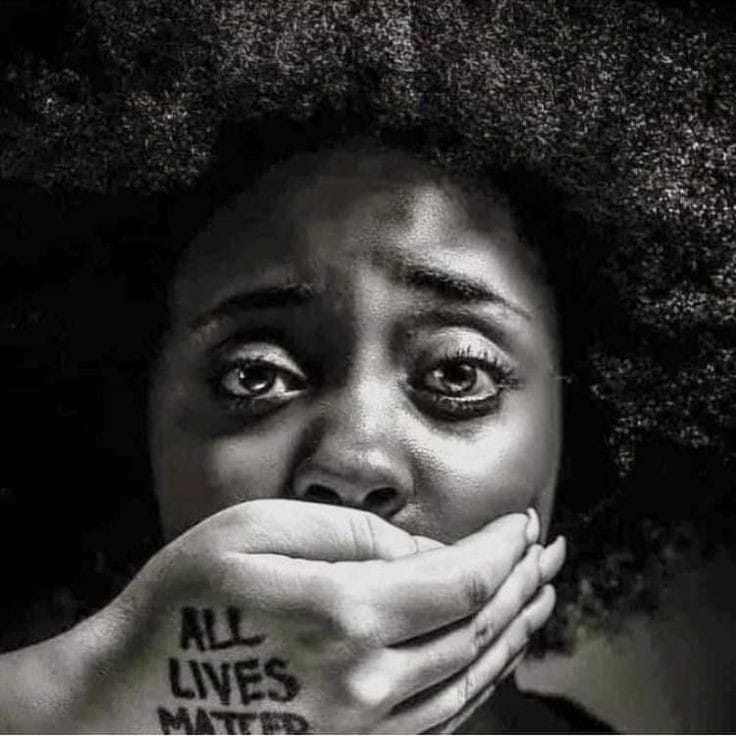
    In a world where we often talk about progress and enlightenment, gender-based violence still casts a dark shadow over the lives of many women. The ongoing problem of sexual violence is a stark reminder that, despite the progress we’ve made, women are still vulnerable in a society that too often excuses, justifies, or overlooks their suffering. This is not just a problem for women, it’s a serious issue for society as a whole that needs immediate and strong action.

    For too long, women have carried the heavy burden of a society that puts the responsibility of preventing violence on them. They are told to dress modestly, avoid certain places, and always stay alert, as if it’s their job to prevent assault. But the real question is, why should women have to live in fear when the real issue is that society fails to hold attackers accountable and treat women with the respect they deserve?

    Sexual violence encompasses a range of completed or attempted sexual acts to which the affected party does not or cannot consent. The rate at which women are sexually assaulted has remained alarmingly consistent, largely because many men fail to see women as their equals, often viewing them as inferior beings to be dominated and controlled.

    Tragic incidents like the brutal rape and murder of a 31-year-old postgraduate trainee doctor at RG Kar Medical College and Hospital in Kolkata, India, on August 9, 2024, serve as stark reminders of the deep seated misogyny that continues to plague society. The incident has sparked widespread outrage and protests across India, with medical professionals demanding better working conditions and safety measures. But the truth is, even with improved safety protocols, the root cause, an utter lack of respect for women, remains unaddressed. If that doctor had been respected as a fellow human being, this atrocity would never have occurred.

    The statistics paint a grim picture. According to the Indian Ministry of Health, nearly one in three women in India has reported experiencing some form of violence. The number of confirmed rape cases has surged from 337,922 in 2014 to 445,256 in 2022. While protests and calls for change are necessary, they are not enough to address the pervasive issue of rape and gender-based violence. This problem is not confined to India, it is a global epidemic.

    Consider the heartbreaking case of Heaven Awot, a 7-year-old girl who was brutally raped and murdered in Bahir Dar, Ethiopia, in August 2023. Her attacker, Getnet Baye, was sentenced to 25 years in prison, a sentence many see as far too lenient. This case has highlighted the glaring failures in Ethiopia’s child protection systems and has brought to light the widespread sexual violence that occurred during the two-year war in the Tigray region.

    What kind of society allows such heinous crimes to go unpunished? Baye’s sentence is currently under appeal, and one must wonder, will the women and children of Ethiopia be safe if such a man is allowed to walk free again? Will Heaven’s mother ever find justice for her daughter’s tragic death?

    There is no room for leniency when it comes to sexual violence. Offenders should face life sentences, as there is no guarantee they will not reoffend. However, legal action alone is not enough. We must take proactive steps to dismantle rape culture and protect women from gender-based violence. Here are several actions we can take:

    1. Speak Out Against Root Causes: Rape culture thrives when we perpetuate harmful ideas of masculinity that equate strength with violence and dominance. We must challenge the notion that men obtain power through violence and reject the idea of sex as an entitlement.
    2. Promote a Culture of Enthusiastic Consent: Consent must be given freely and enthusiastically every time. It is not enough to merely listen for a “no”; we must ensure there is an active “yes” from all parties involved.
    3. Stop Victim-Blaming: Rape-affirming beliefs are embedded in our language and culture. We must abandon language that blames victims, objectifies women, and excuses sexual harassment. A woman’s clothing, behavior, or location is never an invitation to rape.
    4. Redefine Masculinity: We need to engage in self-reflection, community conversations, and artistic expressions to redefine masculinity with feminist principles, encouraging men and boys to reject violence and embrace equality.
    5. Establish Zero Tolerance: Leaders must establish and enforce zero-tolerance policies for sexual harassment and violence in all areas of life—at home, work, and in public spaces.
    6. Broaden Our Understanding of Rape Culture: Rape culture encompasses more than just physical assaults; it includes practices like female genital mutilation and child marriage. We must recognize and address all forms of gender-based violence.
    7. Invest in Women: Support organizations that work to end gender-based violence, amplify women’s voices, and provide resources for survivors. Consider donating to groups like UN Women.
    8. Listen to Survivors: Survivors need to be heard, believed, and supported. Instead of questioning their choices, we should affirm their experiences and stand by them in solidarity.
    9. Reject Rape Jokes: Rape is never a laughing matter. Jokes about sexual violence normalize and trivialize the issue, making it harder for victims to speak out. We must call out such behavior whenever we encounter it.
    10. End Impunity: Perpetrators must be held accountable for their actions. When we prosecute sexual violence cases, we send a clear message that these acts are crimes that will not be tolerated.
    11. Be an Active Bystander: When you witness non-consensual or violent behavior, do not remain silent. Intervene and show the perpetrator that their actions are unacceptable.

    The fight against gender-based violence is far from over, but it is a battle we must all commit to winning. Women deserve to live in a world where they are respected, valued, and protected. It is time for us to take a stand, to speak out, and to act decisively. Together, we can create a society where women no longer have to fear for their safety, a society where gender-based violence is no longer tolerated. Let us protect our women, not just with words, but with meaningful action.


     

  • SOCIAL MEDIA: THE REVOLUTION

    SOCIAL MEDIA: THE REVOLUTION

    By Nelson Muthomi Ledama Mati


    Social media isn’t just a trend, it’s a seismic shift that has transformed the way we interact, do business, and entertain ourselves. As Ben Luketvich, site editor for Tech Target, describes it, social media is “a collective term for websites and applications that focus on communication, community-based input, interaction, content-sharing and collaboration.” While this definition covers the basics, it’s the focus on community-based input and collaboration that truly encapsulates the essence of social media today.


    Initially, social media served as a platform for the general public to share input on various topics, reconnect with distant friends, or update relatives on their lives. Over time, its use evolved, becoming a hub for content sharing and a means of making money through talent or spare time.


    Why is social media a revolution? It has reshaped businesses, entertainment, financial independence, and countless other areas by offering popularity, efficiency, and convenience. For instance, companies now leverage digital media professionals to capitalize on their online presence, avoiding the need to spend millions on traditional marketing. Another example is how, in the past, people invested in expensive projectors and spent hours at videotape stores to find movies. Today, with just a few clicks online, anyone can access their desired content with minimal hassle, thanks to the technological advancements that social media embodies.


    But as with any revolution, there’s debate. Now that we’ve explored the reasons behind this revolution, I pose a question to you, the reader: Is social media a good revolution or a bad one? My answer: a bad one. The reason? Improper regulation and overly strict content moderation policies that often infringe upon universal human freedom of speech.


  • THE MERU MELODRAMA: PAINTING A PICTURE ON THE PLAY OF POLITICS

    THE MERU MELODRAMA: PAINTING A PICTURE ON THE PLAY OF POLITICS

    BY NELSON MUTHOMI LEDAMA MATI


    Governor Kawira Mwangaza has been quite the buzz of the town, her impeachment drama gracing our screens and print products, with people taking sides. One side requested the initiators of her impeachment to withdraw it, giving reasons that women leaders are being discriminated against and taunted in office by their male counterparts who deem them unfit to lead. The other side came out guns blazing at the cleric-turned-politician, on the grounds that she has been nepotistic, engaged in payment anomalies, and refused to act on the appointment of officials for some county agencies.


    Looking at some of the women leaders that have graced our nation’s political landscape, like Wangari Maathai, Martha Karua, Charity Ngilu, among others, one might give Governor Mwangaza leniency on account of male politicians being driven to file impeachment motions based on gender. But if one were to look into her records, leadership history, political alliances, and other important factors, they might form the perception that she is behaving like any other leader: corrupt, carefree, and disingenuous.


    On the 19th of August 2024, Citizen TV reported that the governor’s team was struggling to explain the use of a manual payroll to disburse over Kshs. 102.94 million for personal emoluments and payments to the public communications officer stationed at the office of the governor. This raises the question of how trusted she is to be accountable for the use of county resources, particularly money.


    That aside, we need to do away with the mentality of women being seen as objects for sexual pleasure (in reference to Hon. Aburi’s utterances that were caught on video and played in Parliament during Governor Mwangaza’s second impeachment hearing at the Senate). Women are capable of leadership, and they can use the platform to champion the rights and interests of the girl child and their fellow women. They are also human, just like their male counterparts. Nonetheless, it is a default expectation that every leader be held accountable for their faults in office, without using gender, tribe, financial status, influence, or any other negative metrics to gauge whether one should be held accountable or not.


    Governor Mwangaza’s case paints a picture of how progressive our political landscape in Kenya needs to be, how much we need to avoid being prejudiced against people simply because of their gender, and also a lesson to all of us to avoid using our flaws as leverage when cornered with our faults. We must own our faults and be ready to face the music.

  • Ugandan Athlete Rebecca Cheptegei Dies after fiery attack by Kenyan Lover

    Ugandan Athlete Rebecca Cheptegei Dies after fiery attack by Kenyan Lover

    Thursday, September 05, 2024


    (Picture by USA TODAY Sports)


    By Richard Onyango


    In a tragic turn of events, Rebecca Cheptegei, a prominent Ugandan distance runner, has passed away from injuries sustained in a horrifying attack by her Kenyan partner. Cheptegei, 33, succumbed to severe burns at a Kenyan hospital where she had been receiving treatment after her boyfriend set her ablaze on Sunday.

    Cheptegei who represented Uganda with distinction in the 2024 Paris Olympics, where she finished 44th in the marathon, was reportedly doused in petrol and set on fire by Dickson Ndiema, her Kenyan lover. The attack occurred during a domestic disagreement, which escalated to a violent and tragic end. According to Trans Nzoia County Police Commander, Jeremiah Ole Kosiom, Ndiema, who also sustained severe burns in the incident, had purchased the petrol with the intent of harming Cheptegei.

    The athlete’s body suffered burns covering 80% of her skin, leaving her in critical condition. Plans were underway to airlift her to Nairobi for specialized treatment when she passed away early this morning. Her death has shocked and saddened the athletic community and the general public alike.


    The Uganda Athletic Federation has expressed its profound grief through a statement on the social media platform X. “We are deeply saddened to announce the passing of our athlete, Rebecca Cheptegei, early this morning who tragically fell victim to domestic violence. As a federation we condemn such acts and call for justice. May her soul Rest in Peace.”

    Cheptegeis death underscores a grave issue of domestic violence, with the incident highlighting the dangers faced by women in abusive relationships. The Ugandan and Kenyan communities are mourning the loss of a dedicated athlete whose career was marked by resilience and hard work.

    As investigations continue, there is a call for justice and support for victims of domestic violence, ensuring that such tragedies are not repeated. Cheptegeis legacy will remain in the hearts of those who admired her spirit and commitment to her sport.


  • A Pan-African Vision for Online Education on Migration

    A Pan-African Vision for Online Education on Migration

    By Prof. Levi Obonyo


     No less than fifteen universities from across Africa convened in Malawi to showcase the potential of media-enhanced courses on migration and their practical applications in addressing the vast demand for higher education on the continent. This initiative is of unprecedented scope.


    The Dean of the School of Communication, Prof Levi Obonyo, was among the scholars at the three-day Blantyre meeting exploring joint efforts that could be expended towards a collaborative journalism curriculum delivery through e-learning platforms.


    The Erich-Brost Institute for International Journalism (EBI) at Dortmund University in Germany organised the e-learning conference in Malawi that focused on media coverage of migration in Africa. Dortmund University is leading a three-year EU-funded project called ‘CoMMPASS,’ aimed at developing an e-learning platform for future and practising journalists in African universities.


    Dortmund University has closely worked with the School of Communication at Daystar University. Dr Jeremiah Nganda, a faculty member in the School, will be travelling to Dortmund later this month on a fully sponsored month-long training on journalism education.


    Thanks to additional funding from the German Federal Foreign Office, the Malawi conference organisers—Prof. Dr. Susanne Fengler, Professor of International Journalism at Dortmund University and Director of the Erich-Brost Institute, and Dr. Michel Leroy, Project Manager of the Erasmus+ CoMMPASS project—brought together colleagues from all over the continent at MUBAS, the host university in Malawi’s largest city, Blantyre. Delegates came from countries as diverse as Burkina Faso, Cameroon, the Democratic Republic of Congo, Ethiopia, Ghana, Kenya, Malawi, Nigeria, Senegal, South Africa, Tanzania and Uganda.


    Over 70 journalism researchers and students from English- and French-speaking African countries participated in the three-day conference alongside representatives from Portuguese- and Kiswahili-speaking nations. The CoMMPASS online course, currently in a test phase in English in Uganda, Burkina Faso, and Malawi, will be more widely available next year in these four languages.


    Talking to Involvement newspaper, Prof Obonyo said the School of Communication will be keen to participate in a joint curriculum delivery that will expose Daystar communication students to a learning experience involving faculty and students from elsewhere in the continent and beyond.


    The statistics are telling: Today, 1.4 billion people live on the African continent. According to United Nations projections, this number will nearly double by 2050. This population growth presents enormous challenges to African education systems. By 2030, the number of children and young people under 18 is expected to increase by 170 million.


    For African nations, this surge means millions of new school and university places will be required quickly. Education is key to the continent’s recovery, which continues to lag behind other regions economically and has been particularly hard hit by global inflation. One figure highlights the scale of the problem: Approximately 100,000 students in Côte d’Ivoire pass their A-levels (baccalauréat) each year—a number nearly equal to the capacity of all the country’s universities combined, both public and private.


    However, according to studies by the Berlin Institute for Population and Development, resources for school and university education in Africa are stagnating at best and declining in some countries.


    As the German scholar Prof. Dr. Fengler noted in her keynote address, “Investing in the education of young journalists is paramount for African countries. Particularly given the rapid population growth, Africa’s often politically fragile states are being tested. Jobs and healthcare are becoming even scarcer. Meanwhile, press freedom is restricted in many African countries. Now, more than ever, African nations need a critical public debate on addressing these challenges. This will only be possible if there are enough professionally trained journalists and independent newsrooms. This is where we aim to contribute.”


    Another keynote speaker, Prof. Dr. Sisanda Bukeka Nkoala, from the University of the Western Cape, gave a remarkable speech entitled ‘Embracing Innovation in Higher Education Institutions in Sub-Saharan Africa: Challenges and Enablers’. Prof. Dr. Nkoala also serves as General Secretary of the African Journalism Education Network (AJEN). This network takes a leading interest in the issue of appropriating these new teaching tools.


    Thanks to support from the Friedrich Ebert Foundation (FES), Dr Girmachew Adugna also shed light on migration trends and the processes/initiatives aimed at regularising and securing migration on the continent. Dr Adugna belongs to the Center for Forced Displacement and Migration Studies at the University of Addis Ababa, Ethiopia.


    In addition to Prof. Fengler and Dr. Leroy, the Erich-Brost Institute was represented by Dr. Merle van Berkum, who is leading a comparative study on migration reporting in countries of origin and destination, and Johanna Mack, editorial director of the European Journalism Observatory based at Dortmund University. The Dortmund team provided conference participants with an in-depth introduction to the structures of the CoMMPASS e-learning portal, which is currently in its test phase and scheduled to go live in 2025.


    The conference also featured intensive discussions about the varying conditions for e-learning across African countries. While nations like Kenya and Nigeria are digital pioneers, already incorporating digital teaching formats, educators and students in other African countries face challenges such as high internet costs, frequent power outages, and a lack of adequate space for focused online study in cramped living conditions. The African journalism educators exchanged experiences and explored potential solutions to these issues.


    Project website: https://commpass.org, www.facebook.com/CoMMPASS.org

  • Faith Kipyegon Triumphs in Rome: Champion Dominates 1500m in Comeback

    Faith Kipyegon Triumphs in Rome: Champion Dominates 1500m in Comeback

    Saturday, August 31, 2024


    By Richard Onyango

    Contact info Onyangor248@gmail.com


    In a thrilling display of endurance and skill, Faith Kipyegon reclaimed her throne in the women’s 1500 meters at the Rome Diamond League in Brussels, clocking an impressive 3:52:89. This victory marks her first competitive race since her historic achievement at the Paris Olympics, where she secured her third consecutive gold medal in the same event. Kipyegon’s performance in Rome was nothing short of spectacular, particularly in the final 120meters, where she showcased her remarkable strength and tactical prowess. With each stride, she pulled away from the chasing pack cementing her status as one of most formidable runners in the world.

    Kipyegons return to the track has further solidified Kenya’s reputation as a powerhouse in middle-distance running, and her latest win reinforces the country’s dominance in the sport. Her ability to perform under pressure and deliver exceptional results continues to inspire fans and athletes alike.

    However, it was a mixed day for Kenya’s athletics as Ferdinand Omanyala fell short in the men’s 100meter. In a race where every millisecond counts, Omanyala clocked 10:08, which was not enough to secure a podium finish. Botswana’s Letsile Tebogo stole the spotlight with a blistering time of 9:87, taking home the gold and leaving Omanyala and the Kenyan team with a valuable lesson in the highly competitive sprinting arena.

    Despite the setback, Kenya’s pursuit of excellence on the global track and field stage remains undeterred. The performance of both Kipyegon and Omanyala underscores the country’s ongoing commitment to fostering athletic talent and competing at the highest levels. As Kenya continues to nurture its track and field prospects, the nation’s quest to solidify its position as a dominant force in athletics is as vibrant as ever.

    The result from Rome reflects the highs and lows of competitive sports yet they also highlight the resilience and determination of Kenyan athletes. While Kipyegons victory reaffirms her elite status, Omanyala’s performance serves as a reminder of the fierce competition that lies ahead. As the track season progresses, all eyes will be on Kenya to see how it navigates these challenges and strive to build upon its storied athletic legacy.

  • MOMBASA CEMENT FOUNDER HASMUKH PATEL PASSES AWAY

    MOMBASA CEMENT FOUNDER HASMUKH PATEL PASSES AWAY

    By Helga Mbodze


    Hasmukh Patel, the founder and owner of Mombasa Cement Company, passed away on Thursday, 29th August 2024, at Premier Hospital in Nyali, Mombasa County.


    Patel had been battling complications for some time before his demise.


    A philanthropist at heart, Patel made a lasting impact on the coastal region of Kenya. He was instrumental in building numerous primary and secondary schools and often covered hospital bills for those in need. His foundation provided bursaries to many underprivileged families, ensuring that education remained accessible to all.


    One of Patel’s most notable achievements was transforming the notorious Kibarani dumpsite in Mombasa into a vibrant tourist attraction. Working alongside former Mombasa Governor Ali Hassan Joho, he played a key role in revitalizing Mombasa town, adding iconic animal statues that have become a symbol of the city’s growth.


    Patel was also a staunch advocate for environmental conservation, championing various initiatives across Kenya. His kindness and contributions have left an indelible mark on the coastal community, and he will be fondly remembered by many.


    Hasmukh Patel’s body is set to be cremated on Sunday, 1st September 2024.

  • The Exceptional Illusion: The Bane Of Kenya

    The Exceptional Illusion: The Bane Of Kenya

    By Jemima Mukasa


    Kenya’s exceptionalism is more than just a national attitude, it’s a pervasive mindset that seeps into every facet of our society, from politics and education to our responses to tragedies. This belief in our unique superiority whether as individuals or as a nation creates a culture where mediocrity thrives and community bonds weaken.

    Corruption in Kenya exemplifies this exceptionalism. Those engaged in corrupt practices often view themselves as above the law, deserving of the wealth they acquire through illicit means. Over time, corruption has become a hallmark of exceptionalism in Kenya, where being corrupt is perceived as a means to rise above others. This creates a self-sustaining cycle where corruption breeds more corruption, eroding public trust and stifling the country’s development.

    The quality of Kenya’s leaders mirrors broader societal issues, reflecting a tolerance for corruption and criminality. Many officials are embroiled in serious corruption cases, facing travel restrictions and allegations of heinous crimes, sometimes even captured on camera. This troubling reality reveals a societal acceptance of mediocrity and unethical behaviour, where leadership quality mirrors the values of the populace. Curiously, there’s a strange tolerance for corruption based on superficial perceptions. The previous regime’s corruption is often viewed as more acceptable due to its leaders’ display of wealth, whereas the current administration is criticized for lacking the “aura” of affluence. This bizarre comparison highlights the depth of our exceptionalism, as judgments are often based on appearances rather than the actual impact of corruption.

    Compounding this issue is the illusion of relatability. Leaders from humble beginnings foster empathy among citizens, who see them as symbols of potential success. This belief leads to reluctance in supporting policies that could hinder these leaders, even when they engage in corruption, under the notion that they will eventually experience the consequences of their actions.

    Tribalism exacerbates the problem, with politicians exploiting tribal loyalty to appeal to the emotions and egos of their constituents. This blind loyalty prevents rational analysis, allowing leaders to spread propaganda and make empty promises that resonate more with sentiments than facts. The combination of personal ambition, tribal allegiance, and societal acceptance of corruption perpetuates a cycle where mediocrity and unethical behaviour are continually reinforced, overshadowing meaningful and systemic change.


    This exceptionalism also makes nepotism and corruption particularly pervasive. In a society where people believe they are inherently superior, it becomes easy to justify favouring family members or those from the same tribe. The notion of maintaining opportunities within a select group to uphold a sense of superiority only serves to entrench inequality and inefficiency, as merit and competence are often overlooked in favour of personal connections.


    The allure of exclusivity also explains the success of Ponzi schemes and other fraudulent ventures in Kenya. These schemes prey on the belief that one can outsmart others and be part of an exclusive group with access to hidden opportunities. In a society enamoured with the idea of exclusivity, these schemes thrive, reflecting a deeply rooted selfishness and lack of community. Instead of fostering collective progress, there is a pervasive mentality of individualism.

    A significant portion of Kenyans, particularly the youth, exhibit political apathy, believing that political matters don’t directly affect them. This indifference has allowed a failing system to persist unchecked, as those who could afford to be politically uninformed are only now realizing the dire state of affairs. By the time they decide to act, it is often too late to mend the cracks in the system. This apathy is glaringly visible during national crises. While some Kenyans protest for better systems, others remain detached, engaged in leisurely activities. This lack of empathy and communal responsibility is a direct consequence of the exceptionalism entrenched in our society.

    Disconnection is also evident in our engagement with critical issues. Instead of focusing on matters that affect our lives, we are often distracted by trivial social media debates. Politicians exploit this apathy by making absurd comparisons, such as telling Kenyans to be grateful they aren’t living in Sudan or Mozambique, as if mediocrity elsewhere justifies mediocrity here.

    The exceptionalism mindset extends to how we respond to tragedies. In a country where exceptionalism reigns, there is often little sympathy for victims, as people quickly distance themselves from misfortune, thinking, “That could never be me.” This was evident in a recent incident where a graphic video of a car accident involving Pwani University students was recorded and uploaded. Instead of offering support and compassion, people sought viral fame, showcasing a disturbing lack of empathy and community spirit.


    This belief in exceptionalism also feeds into a dangerous narrative that hard work alone can overcome systemic failures. While hard work is important, it is naïve to think that one can out-hustle a failing system. Those who succeed are often those who were already privileged, leading to a lack of understanding and support for those struggling, with the prevailing belief being that they simply didn’t work hard enough.

    Accepting that we are not as exceptional as we think we are is the first step toward remedying our situation. Kenya has always been its own greatest enemy, and it’s time to confront our shortcomings. We can begin by practicing honesty and integrity in our interactions, building trust and fostering transparency. Avoiding personalizing complaints or compliments helps maintain objectivity and focus on meaningful engagement. Striving for excellence and adapting to changing circumstances sets a positive standard that can influence our community.

    Building a stronger sense of community is also vital. Participating in local events, supporting neighbourhood initiatives, and engaging in communal activities enhance ties and foster a culture of collective responsibility. Simple acts, like greeting neighbours, joining in environmental clean-ups, and contributing to local causes, strengthen bonds and promote a supportive environment. By adopting these practices, individuals contribute to a more ethical, informed, and cohesive society, paving the way for systemic improvement and meaningful change.

  • RENEWED STRENGTH IN TRYING TIMES.

    RENEWED STRENGTH IN TRYING TIMES.

    Report by Leeroy Wuone


    On Tuesday, August 13, 2024, at the amphitheatre, Reverend Josphat Kimacia from the chaplaincy department began his sermon based on the book of Isaiah 40 in front of an enthusiastic audience of Daystar students and staff.


    “We can get weary at our places of work, you can get weary with your spouse, your parents, your siblings and they can also get very tired of you but the Lord who is everlasting will never grow tired or weary of you”, remarked Reverend Kimacia.

    “Even when you struggle with sin(s), then one day you decide to repent, and the next day you find yourself sinning and repenting again, God will never grow tired of you. He strengthens the weary and empowers the weak”, added Reverend Kimacia.

    Furthermore, Mr Kimacia continued with a light-hearted grin, “we serve a God who can grow our strength and power, an eternal God whose understanding is beyond explanation. This is a reassuring and comforting reminder, especially during exam periods and even in these trying times when our energy levels begin to drop. From January to December, God’s reign remains unchallenged. He is the same yesterday today and forever.  He requires no broad-based government since He is the government Himself.

    Moreover, he reiterated that the word of the Lord declares that the increase of His kingdom and righteous judgment will never cease. Therefore, we should anchor our souls and hearts in this truth and constantly reminding ourselves that “It is well with my soul,” even when life’s challenges press us to the point of questioning, “Is it truly well?”. “Today, we want to affirm that because we have anchored our trust in the everlasting God, it is indeed well with our souls,” Reverend Kimacia encouraged.

    Mr Kimacia also gave a comforting reminder to staff and students who were feeling overwhelmed by their responsibilities and studies that they are grafted into God, and He is in them, granting them His divine attributes. With confidence in God, even when we feel physically and mentally exhausted, we can find strength in anchoring our faith in the Lord, who never grows tired or weary.

    It’s also important to remember Isaiah 40:30, which says, “Even youths grow tired and weary, and young men stumble and fall.” This verse is relevant to situations like the recent “Nane Nane” protests, where the youth have grown weary of repeating the same actions without seeing change.

    Last but not least, Mr Kimacia firmly emphasized that those who place their hope and trust in the Lord, have an inner assurance, a firm belief that sustains them.

    Mr. Kimacia concluded his speech by wishing the students success in the exams and future endeavours, “It is my prayer that as we enter this period, we will soar on wings like eagles, we will run and not grow weary, we will walk and not faint”.


    According to Charles Spurgeon “Nothing reflects so much honour on a workman as a trial of his work and its endurance of it. So, it is with God. It honours Him when His saints preserve their integrity.


  • e-Voting: Are We Ready For This?

    e-Voting: Are We Ready For This?

    By Nelson Muthomi Ledama Mati

    As technology advances, the way we conduct elections is evolving. Electronic voting, or e-voting, has become a topic of significant debate across the globe. While some countries have embraced this modern method, others remain cautious, weighing the benefits against potential risks. This article explores the journey of e-voting, its implications for democracy, and considers whether Kenya and by extension, Africa is prepared for this digital shift.


    Electronic voting, as defined by Rene Peralta in her Britannica article titled “electronic voting,” is a form of computer-mediated voting where voters make their selections with the aid of a computer. Though the concept of e-voting predates the internet era, it was first implemented in Estonia in 2005. Around the world, its adoption varies, some countries use it for specific jurisdictions, while others employ it in smaller-scale elections.


    In India, electronic voting machines (EVMs) have been in use for years. However, recent concerns about potential hacking and insider manipulation have brought the system under scrutiny. The Indian judiciary has endorsed the EVMs, yet uncertainty remains about their future whether they will be abandoned, scaled differently, or continue as is.


    Morgan Thomas, a policy associate at the Council of State Governments, recounts the evolution of voting machines in America, “From colonial times until the late 1880s, voting in the U.S. was conducted orally, a practice known as viva voce. This changed with the invention of the Acme Voting Machine, which aimed to prevent voter fraud by allowing overseers to verify ballots against registered voters. Though it improved ballot counting, issues persisted, leading to the introduction of lever-style voting machines in 1892, which offered faster voting but faced challenges such as accessibility and lack of independent record-keeping. The Coyle machine, developed in 1961, used punch cards but was costly and privacy-invasive. The more successful Votomatic punch-card system emerged in 1965, becoming widely used until criticisms arose following the problematic 2000 presidential election in Florida, which highlighted issues with voter intent and ballot design. This prompted the Help America Vote Act of 2002, requiring states to upgrade voting equipment and improve accessibility, ultimately increasing the use of electronic voting systems.”


    Despite its advantages, the U.S. has faced challenges with electronic voting, including allegations of foreign interference and technical issues such as touch screen calibration errors. A 2021 Statista poll in France revealed that the majority of French citizens favor electronic voting, citing its time-saving benefits as a major reason. However, they also expressed concerns about its impact on political engagement.

    Turning to Kenya, the country has historically relied on secret paper ballots for voting. During President Daniel arap Moi’s era, the mlolongo system where voters lined up behind representatives holding candidates’ photos was used but eventually discarded due to allegations of vote manipulation. Under Mzee Jomo Kenyatta, voting was conducted using individual boxes for each candidate, which led to issues of ballot stuffing. Post-1974 reforms introduced transparent boxes to enhance election integrity.


    Recent advancements include electronic voter registration systems, which streamline tracking and conserve time. However, the 2022 elections exposed several issues with the IEBC Results Portal, including allegations of vote manipulation, system inefficiencies, and technical problems. Opposition leader Raila Odinga challenged the results, claiming the servers were rigged, but the courts upheld the incumbent’s victory.


    Given these challenges ranging from potential equipment theft and hacking risks to difficulties in remote areas and resistance from citizens Kenya appears unprepared for full-scale electronic voting. Training and public education on technology and e-voting’s benefits are essential before widespread implementation. The negative perceptions of e-voting, fueled by past failures in other countries, also need to be addressed.


    As various institutions experiment with e-voting, mixed reactions reflect ongoing concerns about scalability, sustainability, and integration. While Kenya and many African countries are not yet ready for e-voting, technological advancements and increased digital literacy may pave the way for its future adoption. For now, sticking to the traditional paper ballot system remains the safer option, with hopes for a more technologically integrated electoral process in the future.


    In conclusion, Kenya and much of Africa are not ready for e-voting at this stage. However, the aspiration to embrace this technology remains, as we continue to navigate the path toward modernizing our electoral systems.