Author: Champe

  • Russell Takes Advantage to Win Austrian Grand Prix

    Russell Takes Advantage to Win Austrian Grand Prix

    by Ben Ayuko

    {image by BBC}

    There was drama on the track at the Austrian Grand Prix on the 30th of June 2024 as the fight for the race win resulted in both drivers losing out.

    For about 50 to 55 laps of the Austrian Grand Prix, it was relatively business as usual. Max Verstappen had opened up a lead in his Red Bull, Lando Norris was trying to keep up with him in his Mclaren and George Russell was sneakily going about his business in the last podium position in his Mercedes. Apart from some fireworks between teammates Sebastian Ocon and Pierre Gasly of Alpine as they engaged in their usual wheel to wheel duel, there was little else to write that is. That is until the teams made their second pit stop of the day.

    After complaining about tyre performance, Max Verstappen made a pit stop to swap out his hard tyres for the mediums. Lando Norris had the same idea. Norris’ pit stop went smoothly. Verstappen’s did not. Some extra time taken to fit the left rear tyre meant that by the time they got out of the pit lane, Verstappen’s 7sec lead had been cut down to just 2.5sec.

    Norris then began applying the pressure. Lap after lap, constantly hounding Verstappen, looking for a way past him. More than once, he attempted a brave dive bomb into the corner, but Verstappen’s cheeky antics made it impossible for Norris to position his car for a proper overtake. The tension was building with every passing lap, until finally…they made contact. Norris attempted an overtake around the outside on a hairpin corner and because Verstappen edged slightly to his left to try and put him off, they came together in the most dramatic fashion. Both cars suffered a puncture and had to limp back to the pit lane, with Norris suffering front wing damage as well, resulting in him retiring the car.

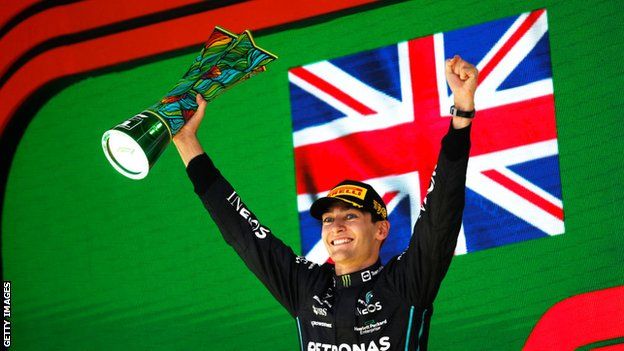
    George Russell, who was quietly going about his business in 3rd, suddenly took the lead of the race with about 5 5 laps to go. He couldn’t believe his luck as he took the chequered flag to claim his 2nd ever Grand Prix win.

    Norris’ teammate, Oscar Piastri pipped Carlos Sainz for 2nd as the latter rounded up the podium positions.

  • Redemption for India as South Africa fall just short

    Redemption for India as South Africa fall just short

    by Ben Ayuko

    {image by Reuters}

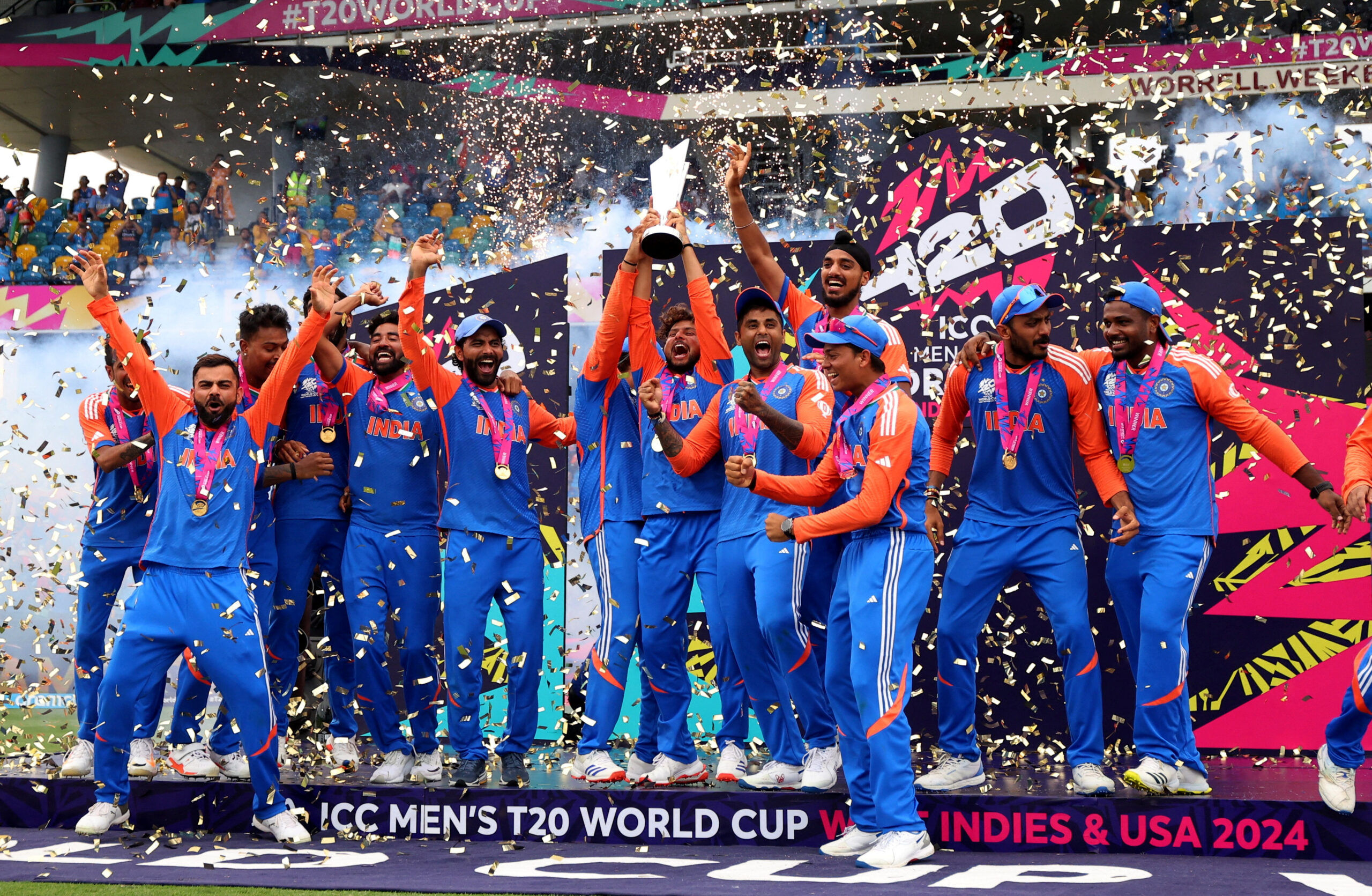
    India was crowned world champions after beating South Africa in the ICC (International Cricket Council) Twenty20 world cup final.

    India was looking to reclaim some pride after losing the ODI series to Australia in front of their home crowd earlier this year. The Indian team came up against an inspired South African side who had just come from demolishing Afghanistan in the semi-final, limiting them to just 56 runs in total. The game was always going to be won by whoever wanted and the India side definitely showed its intent by beating England, the defending champions, in the semi-final by a mammoth 68 runs. This was promising to be an epic clash.

    And it was. It was a tense finale as South Africa found themselves needing at least 2 boundaries from 2 balls. Kagiso Rabada, the batsman, had no choice but to throw caution to the wind. Go big or go home, as they say. Unfortunately, he didn’t go big enough as his attempt to knock one over the line fell just short, right into the hands of an Indian fielder. India emerged victorious but only by a mere 7 runs. They definitely earned their victory after battling a worthy adversary.

    Virat Kohli was voted the MvP (most valuable player) finishing the game with 76 runs from 58 balls.

    Jasprit Bumrah capped the final game by winning the Player of the Tournament award, no doubt because of his proficiency at bowling.

    The fans may have been disappointed by how the ODI series ended, but at least they were afforded some sort of redemption for the mishap in the Twenty20.

  • Honoring the Legacy of Mutegi Njau: A Pillar of Kenyan Journalism

    Honoring the Legacy of Mutegi Njau: A Pillar of Kenyan Journalism

    By Joe Aura, aurajoe6@gmail.com

    In a career that began in 1979 and spanned decades, Mutegi Njau emerged as one of Kenya’s most respected and influential journalists. Known for his keen attention to detail and mastery of the trade, Mutegi’s journey in media blossomed during the era of Kenya’s founding president, Mzee Jomo Kenyatta, and continued to shine brightly through the subsequent decades of President Moi’s regime and beyond. His insightful contributions to the media, particularly through his popular morning show “Cheche” on Royal Media Services, left an indelible mark on the industry. (https://youtu.be/a3yAzxsXtqE?si=WdBAah8x4dGxKaP4)

    Former co-host David Makali shared his sentiments on social media, saying, “Devastated by the passing on of senior colleague, co-host, and panelist Mutegi Njau. May your toil on this earth be rewarded and your memory last forever among those you mentored and gifted, or who savoured your goodness.”

    Key Contributions and Impact

    Mutegi was more than just a journalist; he was a mentor to many, shaping the careers of countless journalists who followed in his footsteps. His family fondly described him as the cornerstone of their home and a cherished figure within the community. His presence as a resident analyst on Citizen TV’s ‘Cheche’ power breakfast show made him a household name, where his commentary was both respected and anticipated. His career was marked by several significant contributions:

    1. Mentorship and Training: Mutegi’s mentorship influenced many journalists, helping to shape Kenya’s media landscape. His rigorous training and guidance left a lasting legacy on the standards of journalism in Kenya. Head of Deputy Presidential Communication Service Njeri Rugene, in mourning his loss, reflected on his profound impact: “Mutegi Njau made an indelible mark in Kenya’s journalism. He trained many of us. He has left a rich legacy. It is time to rest. Rest in Peace Senior.”
    2. Insightful Reporting: As highlighted in the video featuring his discussion on World Press Freedom Day , Mutegi consistently advocated for press freedom and ethical journalism. (https://youtu.be/Nw7285XT-4c?si=VCdZauSUN3N2ZQbj – World Press Freedom Day With Journalist Mutegi Njau)
    3. Memorable Interviews and Coverage: His recount of memorable moments with President Moi showcased his deep understanding and nuanced reporting of Kenyan politics and history. This ability to capture the essence of significant political figures and events was unparalleled. (https://youtu.be/_O4XYP0Pud4?si=r9cmGsAH1Ym6HDSu – J.K Live Citizen, Veteran Journalist Recount Memorable moments with Moi (part 1) with the great story teller Yususf Wachira, Force to be reckoned with – Lee Njiru and Mutegi Njau a great Journalist.)
    4. Tackling Tough Issues: In various discussions, including those on media and hate speech , Mutegi did not shy away from challenging topics, emphasizing the role of media in fostering national unity and accountability.

    (https://www.youtube.com/live/gE9nY8iSipg?si=igZCo-uYvQo93x8A – The Agenda with Mutegi Njau

    https://youtu.be/zJm4Rz-VWSw?si=Tf_zhjyZ7TfY8U1x – The Judiciary Open Wounds

    https://youtu.be/bkfFVJMKB5w?si=j9zy0Kj8tEmHtqQ0 – He speaks om media and hate speech on Media Focus On Africa.)

    A Tribute to His Legacy

    As Kenya witnesses a rise in protests and journalists facing increased risks on the field, Mutegi’s legacy becomes even more poignant. His commitment to truth and ethical reporting provides a guiding light for today’s journalists. The recent mishandling of journalists during protests underscores the importance of Mutegi’s principles—diligence, integrity, and bravery in reporting.

    Current journalists and students of journalism can draw vital lessons from Mutegi’s career, especially in the wake of covering protests. His ability to maintain composure, seek truth, and report with accuracy amidst turmoil is a testament to his professional prowess. Upcoming journalists can learn the importance of mentorship, ethical standards, and the crucial role of media in democratic societies.

    Rest in peace, Mutegi Njau. Your legacy lives on in the hearts and minds of those you touched and in the fabric of Kenyan journalism.

  • EVALUATING THE BUDGET ALLOCATIONS FOR THE FIRST LADY AND DEPUTY PRESIDENT’S WIFE.

    EVALUATING THE BUDGET ALLOCATIONS FOR THE FIRST LADY AND DEPUTY PRESIDENT’S WIFE.

    By: Vivian Bundi

    The budget allocations for the offices of the President’s wife and the Deputy President’s wife have always been a point of interest and debate. The recent increases and decreases in these budgets reflect shifting priorities and economic realities. In my opinion, the significant budget allocated to these offices is not justified, especially compared to the previous years. This stance is based on the need for fiscal responsibility, prioritization of essential services, and the importance of maintaining transparency in government spending.

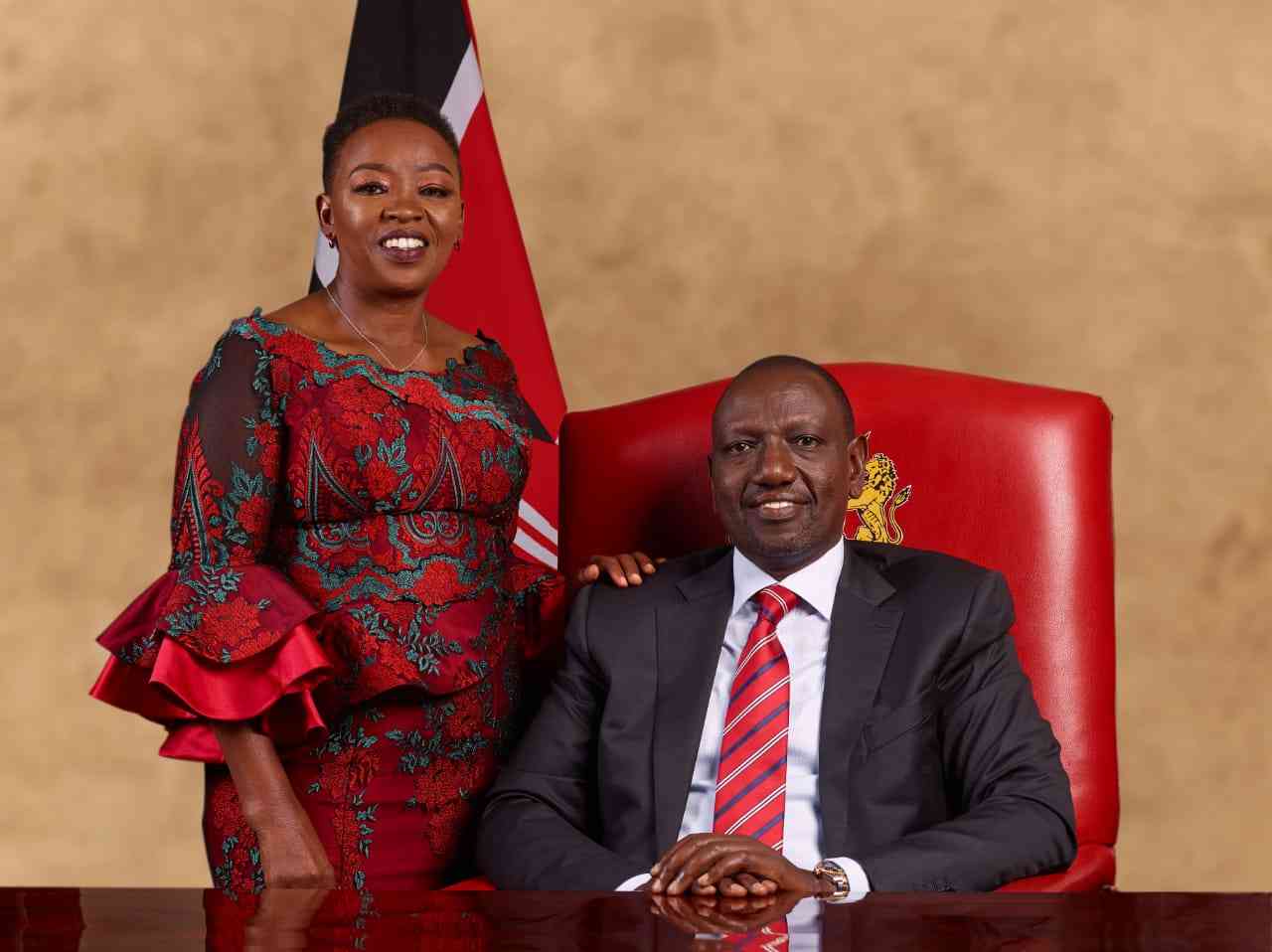
    The recent budget allocation for First Lady Rachel Ruto’s office has increased the original amount by 17.3 out of every 100 units, reaching Sh696.6 million (openbudget.or.ke)  for the new financial year starting July. This is a notable rise from the Sh593.9 million allocated in the current financial year. A substantial portion of this increase is directed towards the payment of salaries. While it is important to support the initiatives undertaken by the First Lady, such as environmental and climate action, financial inclusion, and women empowerment, the significant increase raises concerns about fiscal responsibility. The government must ensure that such budget increases are justified by tangible outcomes and not merely by expanding administrative costs.

    By: T-One Tv Kenya

    In contrast, the budget for the spouse of Deputy President Rigathi Gachagua has decreased from Sh717.6 million to Sh557.5 million ( https://openbudget.or.ke/search/First+Lady//). This reduction follows a substantial increase through a mini-budget tabled in the National Assembly in October of the previous year. Despite this reduction, the combined budget for the First Lady and the Deputy President’s wife will total Sh1.2 billion in the new fiscal year, slightly down from Sh1.3 billion this year. This allocation needs to be scrutinized in light of other pressing national priorities such as healthcare, education, and infrastructure development. The government should consider whether these funds could be better utilized in areas that have a more direct impact on the well-being of the general population.

    Comparing these allocations with the budgets during the Kenyatta administration provides further insights. In the year starting 2013, the combined budget for the offices of the First Lady and the Deputy President’s wife was Sh187.3 million. By the end of the Kenyatta administration, this budget had grown to Sh723.6 million, reflecting an increase of 286 percent. Specifically, the budget for Mrs. Kenyatta’s office increased from Sh114.4 million to Sh426.1 million, while that of the Deputy President’s spouse increased from Sh72.9 million to Sh297 million.

    This dramatic rise in budget allocations was primarily directed towards recurrent expenditures such as salaries, travel expenses, and hospitality. Despite calls for cuts in non-essential spending during the Kenyatta administration, the budgets for these offices continued to grow. This trend raises questions about the prioritization of spending and the necessity of such substantial allocations for non-essential functions.

    The need for transparency in government spending is paramount. The increased allocation to the First Lady’s office under Rachel Ruto and the significant budget for the Deputy President’s wife must be justified with clear, measurable outcomes. Mrs. Ruto’s initiatives, including the Women Economic Empowerment (WEE) program aiming to mentor and train 90,000 women in financial inclusion by July 2025, are commendable. Similarly, Mrs. Rigathi’s focus on empowering the boy child and her targets of identifying and screening 12,000 boys for drugs and substance abuse are important. However, the effectiveness and efficiency of these programs must be transparently evaluated to justify the substantial budgets allocated.

    The current economic context cannot be ignored when discussing these budget allocations. Government revenue shortfalls and reduced economic activity necessitate careful consideration of all expenditures. In the first nine months of the current financial year, government revenue fell short by Sh97.7 billion, forcing the Treasury to cut budgeted funds for development projects by nearly Sh34.37 billion. Given this economic backdrop, it is imperative to question whether the significant budgets allocated to the offices of the First Lady and the Deputy President’s wife are the best use of limited resources.

    In conclusion, while the offices of the First Lady and the Deputy President’s wife undertake important initiatives, the substantial budget allocations they receive need rigorous scrutiny. The comparison with previous years highlights a trend of increasing budgets that may not be fully justified by the outcomes. In a time of economic challenges, fiscal responsibility, prioritization of essential services, and transparency in spending are more important than ever. The government must ensure that every shilling spent contributes to the greater good of the nation, rather than expanding administrative budgets without clear, tangible benefits.

    viviankbundi@gmail.com

  • The Falcons

    The Falcons

    by Ben Ayuko

    {image by Daystar University Logo}

    “The Falcons”

    This is Daystar University’s team name. As in, the official name of the Daystar Sports teams. Any Sports team. Every Sports Team. And there are about 15 different ones. Let’s talk about that a little.

    Sports have always been an area of pride in Daystar University with many resources being allocated toward developing the sports sector.

    There is a management team that is in charge of running the sports department. This consists of

     Th General Manager- Maurice Masiga

    The Assistant to the Manager- Rachel Njoki Mwaura

    The Head of Activities- John Yidah

    The Head of Statistics- Barrack Khaseke

    The Athi River Campus Sports Secretary- Safari Peter

    The Nairobi Campus Sports Secretary- Daisy Kamau

    These are the people responsible for allocating and maintaining the resources afforded to the sports department.

    So, what are these Resources? Well, there are a variety of Arenas for the games that require them (Football, Rugby, Handball, Volleyball, Basketball, Tennis, etc.), a Gymnasium fully stocked with equipment, Falcons Kits/Jerseys to be worn whenever the school teams are participating in national competition, Transport for the sports teams to travel to and from Nairobi just so all the members can train together, and on game days where they have to travel. Their meals are also catered for by the school on the day.

    That being said, just what are the Sports represented by the Falcons?

    Well, we’ve already heard Football, Rugby (both 7s and 15s), Basketball, Volleyball, Handball and Hockey from the examples above. All of these have both their male and female teams {at the time of writing, Female Rugby is in the works}. Other sports include Lacrosse and Netball. All of these sports are done in the presence of the natural elements or “Outdoors” as they are referred. For the “Indoors” sports, there’s Darts, Athletics, Badminton, Chess, Scrabble, Lawn Tennis, Karate and Swimming. New sports are always being considered for this list. Currently, the word on the street is that Boxing will become the latest addition.   (If you’re reading this in the not-too-distant future, did it happen?)

    Some of these teams are big enough to be registered under KUSA (Kenya University Sports Association); the governing body that oversees sporting in universities in Kenya. This gives them access to the KUSA Leagues but still enables them to participate in the National Federation Leagues. For instance, The Football Falcons play in the University tier under FKF (Football Kenya Federation), Rugby plays under KRU (Kenya Rugby Union), Basketball plays under NBA Kenya (National Basketball Association in Kenya), Hockey under KHU (Kenya Hockey Union) and Handball under KHF (Kenya Handball Federation). These leagues are usually active from late June/early July playing various friendlies in preparation for the season which begins in September and runs up to February/March. The school team training usually happens on Tuesdays, Wednesdays and Thursdays from 5: 00p.m to 7: 00pm. The tournament games are played on Saturdays and sometimes Sundays.

    This year (2024), the Falcons will also be participating in the East African Championship Games starting in December, having qualified for the competition. This is the competition whereby different teams from different Universities from different countries (in East Africa) get the chance to meet and test their mettle against each other. The following teams from Daystar qualified for the East Africa Games:

    Beach Volleyball Falcons 

    Handball (Ladies) Falcons

    Karate Falcons

    Scrabble

    The school also occasionally hosts sporting events. This includes the Floodys – a popular Basketball tournament, The DSL (Daystar Soccer League), Swimming Gala, among others. The “Beyond the Try” initiative is an annual Touch Rugby tournament orchestrated by the men’s Rugby Team Coach Caleb Bosire and his colleagues. Its aim is to promote school rugby and generate money to grant scholarships for talented youths.  There is the “Sports Awareness Week“, a week which is dedicated toward exploring the pros and cons of sport and weigh them against each other, (and also recruitment of new team Falcons).

    Now, the objective of any sporting activity is to determine the winner. Or at the very least, to show off one’s skill and proficiency in said sport. The Falcons of Character Awards (FOCA) Dinner, which is a dinner held exclusively for members of the sports teams, is hosted by the school and it is a way for the Falcons community as a whole to celebrate one another and crown whatever achievements were made in the year.

    If you’re reading this article and you’re thinking about applying to become an honorary Falcon, you should. You don’t even have to know anything about the sport you want to try. The teams are more than happy for you to learn as you go. There are many examples of students who have gone into rugby/tennis/volleyball etc. without even knowing the rules of the game and later emerged as integral members of the squad. So go ahead and contact the Campus Secretary (Athi – petersafari211959@daystar.ac.ke, Nairobi- daisykamau223621@daystar.ac.ke) or the Sports department- Falcons@daystar.ac.ke in order to apply. They are always ready to assist you.

    Falcons Take Matters into their own Hands.


    Oh, I almost forgot, there’s also a ping-pong table in the dining hall and it gets very competitive. Almost as competitive as it gets at the pool table right outside the gym. I mean, these aren’t officially school sports, but you wouldn’t know it if you played a game.
  • Romania Tops Group as Belgium scrapes Through

    Romania Tops Group as Belgium scrapes Through

    by Ben Ayuko

    {contact info: gnrlspecific@gmail.com}

    {image by Getty Images}


    What in the world is going on in Group E?

    It genuinely feels as though each member of the group had a pact agreed at the launch of the tournament, but one of them found out too late that they were going to be the sacrifice. I know it sounds like I’m being pretty dramatic but hear me out.

    Romania qualified for the next round after finishing top of the group after their 1-1 draw with Slovakia, thanks to goals from Ondrej Duda of Slovakia and Răzvan Marin of Romania. Slovakia qualified in 3rd position. Had Slovakia won that game, it would have been they who finished top of the group and Romania would have been packing their bags and going home. Likewise, if Romania won, then Slovakia would’ve been packing their bags. Such fine margins.

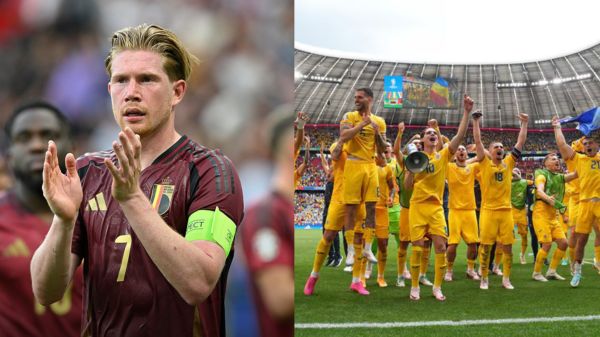
    Belgium tried to get up to speed versus Ukraine in order to finish top of the table, but the longer the game went on, the more they slowly began to accept that they would probably not get that elusive goal that they were looking for. In fact, it was looking more and more likely that Ukraine would score. Their closest effort came directly from a corner kick after Ruslan Malinovskyi almost caught the Belgian keeper Koen Casteels off guard at his near post. That scare seemed like the off switch for Belgium as from then on, they opted not to take unnecessary risks knowing a draw would get them through anyway.

    0-0 after the final whistle meant that Belgium qualified in 2nd while Ukraine drew the short straw and had to pack their bags. If either team had got a goal, they’d have finished top of the group while the other was sent packing. Such fine margins.

    Every team in Group E finished the group stages on 4 points. Every team had 1 win, 1 draw and 1 loss. The rank in the group was determined exclusively by goal difference from top to bottom, and in some cases where the goal difference was the same, they had to compare the number of goals scored. It’s madness.


  • Georgia Arrives at the Euros

    Georgia Arrives at the Euros

    by Ben Ayuko

    {image by sportsmole}

    Sorry Georgia, I was not familiar with your game.

    Neither were you, reader. I don’t think anybody was. Or at least, I don’t think anybody thought Georgia would beat Portugal, deservedly, let alone qualify for the knockout rounds of the European championship. On their first time in the competition no less.

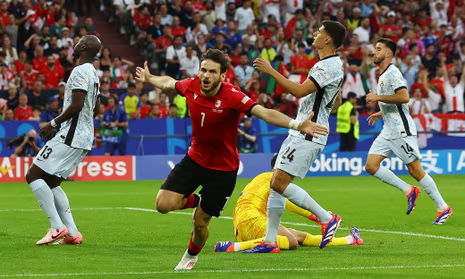
    And I mean “Deservedly“. Quite literally from the 1st minute of the game {technically 1:30} when Georgia Starboy, Khvicha Kvaratskhelia, raced through on goal after latching onto a through ball from teammate Georges Mikautadze and finished tidily passed the Portuguese keeper, Diogo Costa. This early goal seemed to spark a seemingly dormant flame that had been inside this Georgia team all along, just waiting for a chance to shine. And shine they did.

    Now, Portugal is one of the best teams in the world, so obviously they had chances to score from the likes of Ronaldo, Joao Felix, Pedro Neto, etc. But none of them managed to breach this very inspired Georgian defense. Their goalkeeper, Giorgi Mamardashvili, in particular had quite a stellar performance, making 5 saves including a particularly powerful freekick from Ronaldo. And with every chance he saved, it only seemed to spur Georgia on. They were trading shots on either end of the pitch with Georgia holding their own and going toe-to-toe with one the best teams in the world let alone in Europe.

    Just as Portugal started to get a handle on the game and it seemed like the inevitable outcome, we all knew was going to happen, was going to happen, Georgia earned themselves a penalty kick and Georges Mikautadze , after registering the assist for the first goal, dispatched the spot kick with finesse to seal the deal and confirm Georgia’s progress into the Round of 16.

    The dream lives on.

    Elsewhere, Cenk Tosun scored in the dying minutes of injury time (90min+4) to secure 2nd spot for Turkey and ensure safe progression through to the round of 16. Hakan Çalhanoğlu’s powerful drive into the bottom corner had given Turkey the lead before Tomáš Souček equalized for the Czech Republic. It was quite a comeback considering they’d had a man sent off in the 1st half.

    Portugal progressed as group winners followed by Turkey then Georgia. Let us see what they can muster in the next round.

  • The Mace: Symbol of Mayhem and Controversy

    The Mace: Symbol of Mayhem and Controversy

    By Joe Aura, aurajoe6@gmail.com

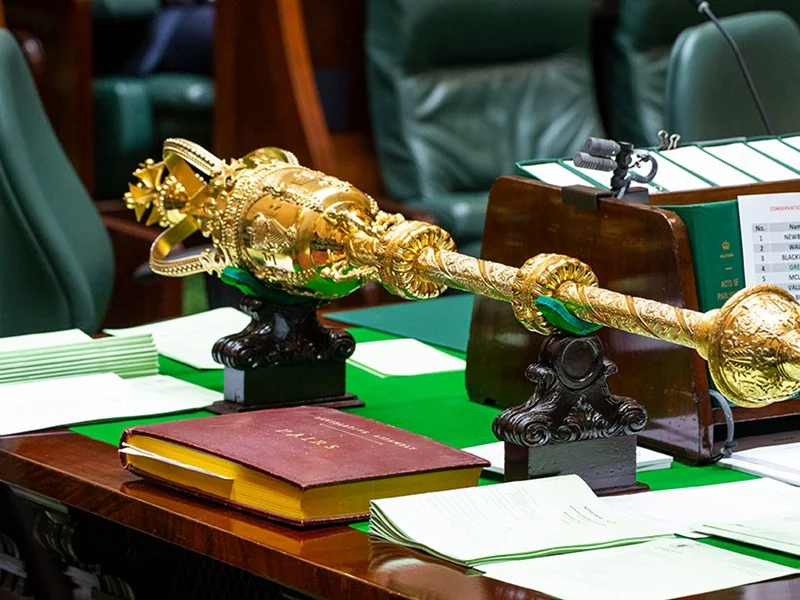
    An unprecedented Tuesday in Nairobi, intended for peaceful protest against a controversial finance bill, devolved into mayhem and bloodshed. The heart of Kenya’s capital was engulfed in violence as police, responding to an increasingly volatile demonstration, opened fire with live ammunition, killing at least five people. The parliament building, a beacon of the nation’s democracy, was set ablaze by enraged protesters who managed to breach its defenses. In a startling twist, the ceremonial mace, the venerable symbol of legislative authority, was stolen amid the chaos.

    Scenes of utter pandemonium unfolded as citizens, driven by frustration over proposed tax hikes, took unprecedented actions. Images of citizens being gunned down outside their parliament evoked a profound sense of loss and outrage. Inside the parliament, protesters turned the hallowed halls into a bizarre tableau—some were seen eating meals, others recording themselves donning the Speaker’s attire. In the streets, the stolen mace became a prop in a disturbing display of defiance, its significance as the emblem of parliamentary legitimacy starkly highlighted against the backdrop of disorder.

    Historical Context

    In independent Kenya, two maces were used by the bicameral House from 1963 to 1966. After that, only one mace was used until 2013, when the new Constitution reinstated the Senate. Former President Jomo Kenyatta officially brought the maces to Parliament on December 14, 1964, symbolizing the constitutional authority of the two houses derived from Kenyans (Parliament of Kenya).

    Symbolism and Function of the Mace

    The mace is an essential part of parliamentary regalia, providing credence and legality to the assembly of Members of Parliament. The Speaker of the Legislative Council, Mr. Cavendish Bentick, received the first mace in 1958 from the Crown Prince. Since then, the mace has been integral to parliamentary proceedings in Kenya (Kahawa Tungu). In Kenya, the mace is symbolic at the National Assembly, Senate, and all 47 county assemblies. The Serjeant-at-Arms, who is responsible for enforcing standing orders and maintaining order and decorum, also performs ceremonial duties, including carrying the mace to and from the House during sessions (Parliament of Kenya).

    Recent Controversies

    The theft of the ceremonial mace from the Nairobi County Assembly has significant implications. The mace is a symbol of authority and legality in parliamentary procedures. Without it, the assembly cannot conduct formal business, as it signifies the Speaker’s authority and the assembly’s legitimacy. Consequently, assembly sittings may be delayed until a replacement is acquired or the original is recovered.

    The Nairobi County Assembly had already faced controversy over its plan to purchase a new 18-carat gold-plated mace for KSh 30 million, a decision defended by the Speaker as necessary for maintaining standard parliamentary protocol. This procurement is part of the county’s budget and has faced criticism for its high cost amidst other pressing needs (The Star, Tuko.co.ke). According to the Annual Development Plan 2023-2024, this acquisition will cost taxpayers a substantial amount of KSh 30 million. The tender documents specify that the mace will weigh between 10 kg and 10.5 kg, with a height of approximately 1.2 meters (The Star, Tuko.co.ke). The plan has faced criticism from various quarters, including MCAs who argue that the funds could be better used for other urgent needs. MCA Robert Alai stated, “It’s wrong for the Nairobi City County Assembly to buy a new mace as if that’s the most urgent thing. There are many things which should be spent on. A mace shouldn’t be a priority” (The Star, Tuko.co.ke). While the purchase of the mace and the Finance Act are related through the county’s budgetary processes, the mace purchase was not explicitly part of the controversial national Finance Bill 2024, which has also faced significant public backlash and protests (Kenyan Wall Street).

    Reflection

    The controversy surrounding the mace highlights the tension between maintaining parliamentary traditions and addressing more immediate fiscal priorities. In a symbolic battle, the Kenyan youth took back what is rightfully theirs—the mace and its power—because their representatives have not used its power to the benefit of the citizens. As the country navigates these turbulent times, the symbolic power of the mace remains a focal point of both legislative authority and public dissent. Chest-thumping, opulence-flaunting state officials have angered their youth, with some opting for a dismissive demeanor towards the struggling population that they rode on to power. Understanding the significance of the mace and its role in parliamentary processes offers crucial insight into the gravity of the current crisis. The events of yesterday are a stark reminder of the delicate balance between tradition and progress, authority and rebellion, in Kenya’s ongoing journey towards democracy. The theft of the mace can be seen as the people reclaiming the power they vested in their politicians and the taxes they pay, emphasizing a profound discontent with how their resources and rights are being managed.


  • England secure top spot as both group games end in draws

    England secure top spot as both group games end in draws

    by Ben Ayuko

    {image by Sky News}

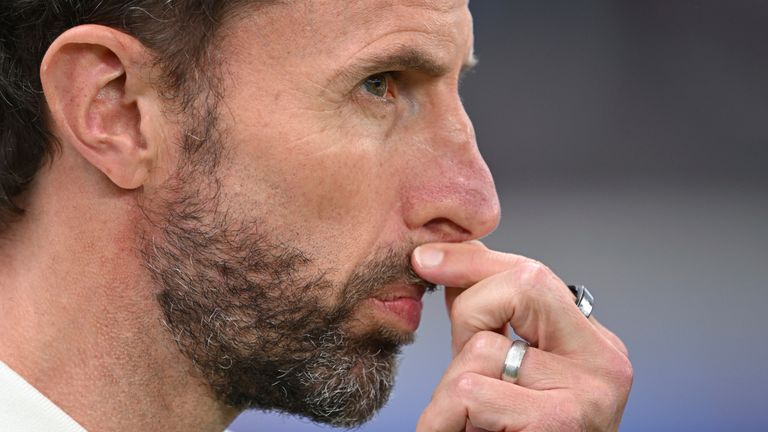
    England set out to secure their status as the top team in Group C when they took on Slovenia. Gareth Southgate, the England Manager, has recently come under fire from his own people (the English) after some lackluster performances in the opening 2 group games. Knowing this he really needed a performance from his team to get the fans on his side.

    If anything, he may have started riot. A protest. A demonstration even. Like the taxbi- look, it wasn’t good.

    England had one or two good moments in the whole game. 1st, a goal ruled out due to an offside in the buildup {admittedly, a good play}. And 2nd was good sequence of play that culminated in a weak effort on goal from substitute Cole Palmer. Other than that, England failed to create anything of real note for the whole 90min. They were equally as likely to lose the game as they were to win it. The spectators were so displeased, they began throwing their empty beer cups at Gareth Southgate. Okay, maybe they’re treating him a little harshly considering he is literally coaching their national team. But English fans have always been that way with their own people. Who can forget the whole Beckham episode before he “mad up for it” with ‘That’ freekick vs Greece. Or the whole racist debacle at the last Euro tournament with Saka, Rashford and Sancho because they missed their penalties in the final. All we can ask is, is anyone really surprised they never win anything?

    Anyway, the game ended 0-0.

    Elsewhere, Denmark and Serbia played out a 0-0 draw, securing Denmark 2nd spot in Group C and qualification for the next round.

    Fun fact, there has only been 1 win in 12 games in this group, which came from England on the opening day against Serbia. Denmark and Slovenia have drawn all their games, while England and Serbia drew 2 of theirs, each. This, of course means Serbia’s loss to England is also the only Loss experienced in this group.

    It just might have been the most uneventful group.


  • Austria shock the Netherlands as Poland hold France

    Austria shock the Netherlands as Poland hold France

    by Ben Ayuko

    {contact info: gnrlspecific@gmail.com}

    {image by Getty Images}


    Austria put on a show against the Netherlands as they edge them out 3-2 to get the victory and sail to the top of the group D table.

    Austria took the lead through ana unfortunate own goal by Donyell Malen. He attempted a sliding tackle to try intercept a pass but ended up inadvertently putting the ball into his own net. Austria took a hold of the game from then as Netherlands found it difficult to play efficiently right up to half-time. After the break, Netherlands came out flying and immediately hit back through Cody Gakpo, the Liverpool man finishing off a swift counter-attacking move. At this point, it seemed like the Netherlands were going to run away with the game as they looked sharper than before, connecting plays and testing the keeper. They had wrestled the game back from Austria. So, it was a surprise when Austria then went 2-1 up.

    A nice passing move around the Netherlands penalty area ended with a floated ball to the back post for Romano Schmid to nod home. Against the run of play, they had taken the lead. This is when Koeman, Netherlands coach, called on his trump card from the bench. Wout Weghorst, the Dutch giant, who has developed somewhat of a reputation for having an impact off the bench was substituted in and it didn’t take long for his impact to be felt. A ball was hung in the air for him t attack and he nodded it down onto the path of Memphis Depay who finished it with a plomb. They were level again. Surely now, they were going to win it and retain top spotting their group, right?

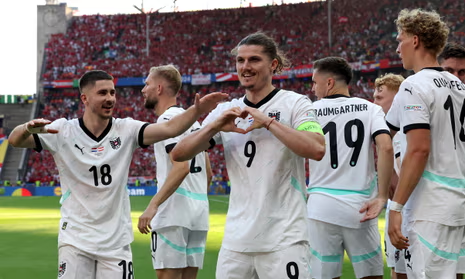
    Obviously not, because not more than 5minutes later, Austria launched a devastating counterattack with Marcel Sabitzer on the end of it. He took one touch and rifled it in at the near post to the roof of the net.

    Austria saw out the game and won 3-2, ascending form 3rd to 1st and comfortably through to the next round.

    Elsewhere, it was a game of 2 penalties as Kylian Mbappe and Robert Lewandowski traded spot kicks for their respective teams meaning the game ended France 1-1 Poland. This also meant France could only finish 2nd in the group, having missed the chance to take advantage on the Netherlands slip up. Poland was sent home, but their fans left on a high.