Category: Health

  • The 49 Billion Question

    The 49 Billion Question

    By Chelangat Caren,


    It started with a patient in Kisumu who was turned away from a clinic. “Your SHA is not active,” the clerk said. She had paid her monthly deduction. On paper, she was covered. In reality, she was not. That gap between paper and reality is where the story of Kenya’s Social Health Authority lives right now. And it is a gap worth Sh49.29 billion.

    A damning audit released this month found irregularities worth Sh49.29B at SHA, Kenya’s new public health insurer that replaced NHIF in 2024. For a program sold as “affordable healthcare for all,” the numbers are a gut punch. For millions of Kenyans paying 2.75% of their income every month, it feels like betrayal.

    SHA was meant to be different. No more queues for NHIF cards. No more hospitals rejecting patients over lapsed contributions. The pitch was simple: deduct a small percentage, get covered, and access care anywhere.

    For a while, it worked for some. Mothers accessed maternity services. Dialysis patients got subsidized treatment. But complaints piled up fast. System downtimes. Claims rejected for “ineligible facilities.” Deductions showing on payslips but not reflecting in the system.

    Auditors found payments to ghost facilities, inflated claims, and procurement deals that didn’t follow the law. Sh49.29B could not be accounted for. That’s enough to build 50 county hospitals or to cover primary healthcare for 5 million Kenyans for a year.

    The Ministry of Health called them “legacy issues” from the NHIF transition. Critics called it theft with a new name. Numbers do not bleed. People do.

    In Eldoret, a boda rider with a broken leg was told his SHA cover had not been activated despite six months of deductions. He borrowed Ksh 40,000 for surgery. In Mombasa, a cancer patient’s chemotherapy was delayed three weeks because her hospital said SHA had not paid last month’s claims.

    For informal workers, it is worse. The 2.75% deduction is mandatory, even if you earn Ksh 8,000 a month selling vegetables. If the system fails, you have no NHIF to fall back on. It was shut down. “Ni kama kulipa hewa,” said Aisha, a mama mboga in Githurai. “You pay for air.”

    The SHA board says 14 million Kenyans are now registered. But registration is not access, and access without working claims is just a promise on a card. SHA did not exist in a vacuum. It is tied to the government’s Universal Health Coverage agenda and to the broader fight over public money.

    The audit dropped into a political moment where trust is already thin. Fuel prices hit Ksh 214 a liter. M-Pesa users reported unexplained deductions. The same week, ODM was imploding over its 2027 plans.

    Opposition leaders seized on the SHA audit immediately. “You cannot ask Kenyans to tighten their belts while others loosen the public till,” said one MP in Parliament.

    The Ministry of Health has promised to act. SHA CEO Robert Muthuri said 2,000 claims worth Ksh 1.1B have been flagged for investigation. Seven facilities have been suspended. But Kenyans have heard “investigation” before. The question is whether anyone goes to jail this time. Healthcare is different from roads or stadiums. When it fails, people die.

    That is why the SHA audit hits harder than most scandals. It is not abstract. It is the child who cannot get antibiotics, the mother who delivers at home because the clinic said “system down,” and the diabetic who skips insulin because the pharmacy will not take SHA.

    Trust is the real currency here. And right now, it is devalued. The government says SHA is still the best path to UHC. That fixing it is better than going back. They point to countries like Rwanda and Ghana where national insurance took years to stabilize.

    But patience is wearing thin. Kenyans are paying monthly. They want to see hospitals, not headlines. Sh49.29 billion is more than a number. It is 1.8 million maternity deliveries. It is 400,000 cancer treatments, the difference between a system people believe in and one they avoid.

    SHA was supposed to make healthcare a right, not a gamble. Right now, it feels like a gamble where the house always wins. The audit is out. The names of facilities and officials are with the Ethics and Anti-Corruption Commission. What happens next will tell Kenyans whether SHA is a genuine reform or just NHIF in a new coat of paint.

    Because the truth about public trust: you can lose it in a day, but it takes years to earn back. And every time a patient is turned away at the gate with an “inactive” card, the bill comes due.

    Kenya does not  need another report. It needs people on the ground getting treatment for the money they already paid. If SHA cannot  deliver that, then the most expensive thing about it won’t be the Sh49 billion ,but the e the lives it fails to save.


  • The Secret Ingredient to Success

    The Secret Ingredient to Success

    By Chelangat Caren,

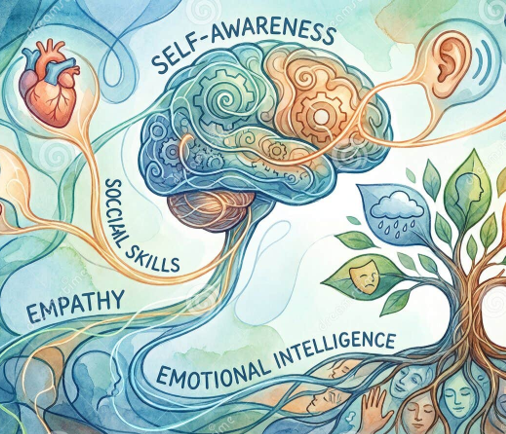
    Emotional Intelligence (EI) is the missing piece in the puzzle of success. It is  the ability to recognize and understand emotions in yourself and others, and to use this awareness to guide your thoughts and actions. In today’s fast-paced and interconnected world, it is  crucial for achieving personal and professional goals.

    The five key components of EI – self-awareness, self-regulation, motivation, empathy, and social skills – are the building blocks of success. Self-awareness helps you identify your strengths and weaknesses, allowing you to make informed decisions. Self-regulation enables you to manage stress and anxiety, leading to better relationships and outcomes while motivation drives you to pursue your goals with passion and resilience. Empathy helps you understand others’ perspectives, which fosters  stronger bonds and effective communication , whereas the social skills allow you to navigate complex social situations with ease.

    By cultivating these skills, you will definitely unlock a world of possibilities. In academics, Emotional Intelligence helps you collaborate with peers, manage stress, and stay motivated. In your career, it will enable you to lead teams, build strong networks, and make informed decisions, it also enhances your personal life, helping you build lasting relationships and navigate life’s challenges with confidence.

    Emotional Intelligence is not just a trait, it is  a skill that can be developed with practice and dedication. By tapping into it , you will achieve success beyond your wildest dreams and become the best version of yourself. Research shows that emotional intelligence  is a stronger predictor of success than IQ, making it a vital skill to develop.

    As we reflect on the power of Emotional Intelligence (EI), we ought to be  reminded that success is not only about achieving goals, but also about becoming the best version of yourself. Emotional intelligence is the missing piece in the puzzle of success, and it is time to unlock its potential. By recognizing and understanding emotions in yourself and others, you will navigate life’s challenges with confidence and poise.

    Imagine being able to tackle stress and anxiety with ease, build unbreakable relationships, and make informed decisions that propel you towards your dreams. That is the power of Emotional Intelligence  in action. Self-awareness helps you identify your strengths and weaknesses, allowing you to make informed decisions and course-correct when needed. Self-regulation enables you to manage stress and anxiety, leading to better relationships and outcomes. Motivation drives you to pursue your goals with passion and resilience, while empathy helps you understand others’ perspectives and build stronger bonds. Social skills allow you to navigate complex social situations with ease, building lasting relationships and achieving your goals with others.

    In academics, emotional intelligence helps you collaborate with peers, manage stress, and stay motivated. In your career, it enables you to lead teams, build strong networks, and make informed decisions. Emotional intelligence also enhances your personal life, helping you build lasting relationships and navigate life’s challenges with confidence. By cultivating these skills, you will surely unlock a world of possibilities and achieve success beyond your wildest dreams. Research shows that emotional intelligence is a stronger predictor of success than intelligent quotient making it a vital skill to develop.

    So, are you ready to tap into the power in emotional intelligence and transform your life? It is time to invest in yourself and develop the skills that will propel you towards success. With emotional intelligence you will become a master of your emotions, a leader in your field, and a catalyst for positive change. The journey starts now – are you ready to unlock your full potential and become the best version of yourself?

  • HEALTHY NATION ;PROSPEROUS FUTURE

    HEALTHY NATION ;PROSPEROUS FUTURE

    By Chelangat Caren,

    Kenya’s health landscape is undergoing a significant transformation, driven by a growing focus on wellness and disease prevention. The government’s initiatives, such as the National NCD Strategic Plan, are tackling the rising burden of non-communicable diseases, which account for approximately 39% of all deaths in Kenya. Mental health awareness is also gaining traction, with Kenyans speaking openly about stress, anxiety, and depression, and seeking help.
    The rise of fitness culture in Nairobi is another key aspect of this health revolution, with gyms, yoga studios, and outdoor fitness groups promoting physical activity as a way to manage stress and improve overall health. The “Afya ni Mali” mantra is resonating with Kenyans, who recognize the importance of investing in health for economic and social well-being.
    While progress has been made, challenges persist. The non- communicable diseases burden is still rising, and many Kenyans lack access to quality healthcare. To address these issues, the government must prioritize health funding, strengthen healthcare systems, and address social determinants of health.
    What can you do to contribute to Kenya’s wellness revolution? Prioritizing your health, supporting community-based initiatives, and advocating for policy reforms are great
    starting points. Technology can also play a key role in improving healthcare access and quality. What’s your take on how Kenyans can work together to create a healthier nation?
    Kenya’s health landscape is undergoing a significant transformation, driven by a growing focus on wellness and disease prevention. The government’s initiatives, such as the National NCD, non- communicable disease; Strategic Plan, are tackling the rising burden of non-communicable diseases, which account for approximately 39% of all deaths in Kenya. Mental health awareness is also gaining traction, with Kenyans speaking openly about stress, anxiety, and depression, and seeking help.
    The rise of fitness culture in Nairobi is another key aspect of this health revolution, with gyms, yoga studios, and outdoor fitness groups promoting physical activity as a way to manage stress and improve overall health. The “Afya ni Mali” mantra is resonating with Kenyans, who recognize the importance of investing in health for economic and social well-being. From marathons to cycling events, Kenyans are embracing fitness as a lifestyle, creating a ripple effect that could transform the nation’s health.
    While progress has been made, challenges persist. The non-communicable disease burden is still rising, and many Kenyans lack access to quality healthcare. To address these issues, the government must prioritize health funding, strengthen healthcare systems, and address social determinants of health. Investing in community health workers, improving healthcare infrastructure, and promoting health education are crucial steps towards achieving universal health coverage.
    What can you do to contribute to Kenya’s wellness revolution? Prioritizing your health, supporting community-based initiatives, and advocating for policy reforms are great starting points. Technology can also play a key role in improving healthcare access and quality. Telemedicine, mobile health apps, and digital health records are just a few examples of how innovation is transforming healthcare delivery in Kenya.
    As Kenyans, we have a shared responsibility to create a healthier nation. By working together, we can address health disparities, promote wellness, and build a more resilient healthcare system.

  • The Problem of Bullying in Kenya

    The Problem of Bullying in Kenya

    By Talia Chege,
    Bullying is becoming normal in Kenya, especially on social media. Insults, rumours, and mocking posts are shared daily, often for likes or laughs. Many people see it as harmless fun, but the reality is far more serious. This culture makes it easy to ignore the harm it causes.
    Social media makes bullying worse. People can hide behind screens, post cruel messages, and join online mobs. The victims often feel powerless. Even young children and teenagers are exposed, and once something is online, it can follow someone forever. This constant exposure can make victims feel trapped and unsafe.
    Bullying has serious consequences. Victims often suffer from anxiety, depression, and low self-esteem. Some withdraw from school, work, or social activities. In extreme cases, bullying can lead to self-harm or suicide. It also affects performance, relationships, and long-term confidence. The damage is not always visible, but it is real.
    The people doing the bullying are also affected. Normalizing cruelty creates a culture of aggression and disrespect. It teaches that hurting others is acceptable if it gains attention. Over time, this behaviour can harm friendships, families, and even future workplaces.
    Kenya needs to take bullying seriously. Schools, parents, and communities must teach respect and empathy. Social media platforms should act against harassment, and laws should protect victims. Reporting and support systems should be easy to access, and campaigns should show that online cruelty has real consequences.
    Bullying may seem normal to some, but it is not harmless. Every insult, post, or joke that hurts someone leaves lasting marks. Stopping the cycle requires awareness, care, and action. A safer, kinder Kenya is possible if we choose to treat people with respect, both online and offline.
  • Scoliosis: Uncovering the Curve.

    Scoliosis: Uncovering the Curve.

    By Grace Nthemba, December, 2025.

    In a world obsessed with standing straight and fitting in, those living with scoliosis are flipping the script, proving that confidence has nothing to do with the angle of your spine and everything to do with how you carry yourself.

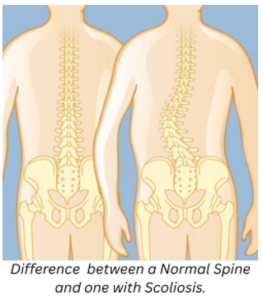
    Scoliosis is a condition whereby the spine curves abnormally to the side. The curve often resembles either a ‘C’ shape or an ‘S’ shape as opposed to being straight.

    Not all scoliosis is created equal. Doctors classify the condition into several categories based on its cause and timing. Idiopathic scoliosis accounts for about 80% of cases. “Idiopathic” is medical terminology for “we don’t know why it happens,” though researchers suspect genetic factors play a role. This type is further divided by age: infantile (0-3 years), juvenile (4-10 years), and adolescent (11-18 years), with adolescent idiopathic scoliosis being by far the most common. Congenital scoliosis is present at birth, resulting from vertebrae that didn’t form properly during fetal development. This rarer form may be detected in infancy or early childhood and sometimes requires earlier intervention.

    Neuromuscular scoliosis develops as a secondary condition in people with neurological or muscular disorders such as cerebral palsy, muscular dystrophy, or spina bifida. These curves tend to progress more rapidly and often require different treatment approaches.

    Degenerative scoliosis affects adults, typically those over 65, as the spine’s discs and joints wear down with age. This “adult-onset” scoliosis can cause significant pain and differs markedly from the curves that develop during childhood.

    According to the Spine Correction Center, research shows that girls are significantly more likely to experience curve progression that boys during the adolescent window, as this is when they experience a growth spurt. The symptoms which are presented may include; one shoulder being higher than the other or one hip being more prominent than the other.

    Treatment for scoliosis isn’t one-size-fits-all. It depends on the curve’s severity, the patient’s age, and whether the spine is still growing. Bracing becomes the standard recommendation for moderate curves (25-40 degrees) in children who are still growing. Modern braces are far less cumbersome than their predecessors, and many can be worn under clothing. The brace doesn’t reverse the curve but can prevent it from worsening during growth. Sarah wore a Boston brace for eighteen hours daily through her teenage years—a challenging experience she describes as “annoying but manageable once I got used to it.”

    Surgery is typically reserved for curves exceeding 45-50 degrees or curves that continue progressing despite bracing. Spinal fusion, the most common surgical procedure, involves fusing together curved vertebrae using bone grafts and metal rods to straighten the spine. While this limits flexibility in the fused area, most patients adapt well and experience significant improvements in appearance and, when present, pain relief.

    Research continues to unlock scoliosis’s mysteries. Scientists are investigating genetic markers that might predict which curves will progress, potentially allowing for earlier, more targeted interventions. New bracing technologies are becoming more comfortable and effective. Surgical techniques grow increasingly refined, with some procedures now performed using minimally invasive approaches.

    Perhaps most importantly, awareness is growing. School screening programs catch curves early when treatment is most effective. Medical professionals better understand the psychological impact of diagnosis and treatment, especially on adolescents navigating an already challenging time of life.

    Scoliosis may cause the spine to take a different path, but it doesn’t prevent people from reaching their destinations. With proper monitoring, appropriate treatment when needed, and support from medical professionals and loved ones, those with scoliosis can thrive—curves and all.

  • Your gut, your health.

    Your gut, your health.

    By Chelangat  Caren

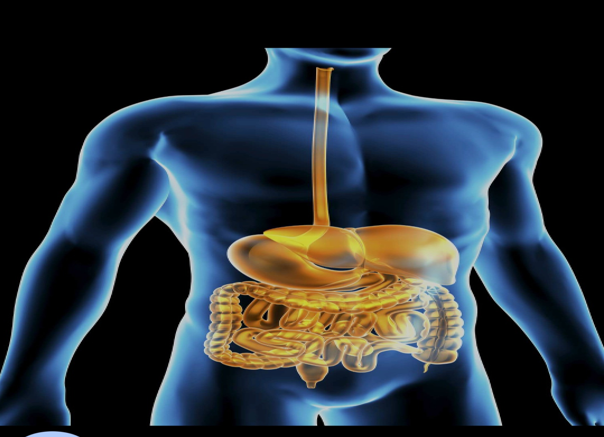
    Did you know that your gut is often referred to as your “second brain”? The gut and brain are connected through a complex network of nerves, hormones, and chemicals, and research has shown that the health of your gut can have a significant impact on your overall well-being.

    The gut microbiome, which consists of trillions of microorganisms living in your gut, plays a crucial role in maintaining your health. These microorganisms help to break down food, absorb nutrients, and regulate the immune system. However, when the balance of the gut microbiome is disrupted, it can lead to a range of health problems, from digestive issues hence mental health disorders.

    The gut and brain are connected through the vagus nerve, which allows them to communicate with each other. This communication network is known as the gut-brain axis. When the gut is healthy, it sends positive signals to the brain, which can improve mood, cognitive function, and overall well-being. On the other hand, when the gut is unhealthy, it can send negative signals to the brain, leading to symptoms such as anxiety, depression, and fatigue.

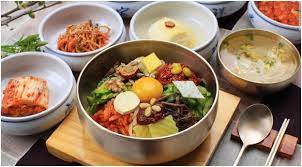
    So, how can you promote a healthy gut and unlock the benefits of the gut-brain connection? One of the most effective ways is through diet. Eating a balanced diet rich in fibre, fruits, and vegetables can help to feed the good bacteria in your gut and promote a healthy gut microbiome. Additionally, incorporating fermented foods such as yogurt, kefir, and kimchi into your diet can provide your gut with beneficial probiotics.

    Stress can also have a significant impact on the gut-brain connection. When you’re stressed, your body releases hormones that can disrupt the balance of your gut microbiome and lead to digestive problems. Finding ways to manage stress, such as through meditation, yoga, or deep breathing exercises, can help to promote a healthy gut and reduce symptoms of anxiety and depression.

    The gut-brain connection is a complex and fascinating area of research, and scientists are continuing to uncover the many ways in which the gut and brain interact. By understanding the gut-brain axis and taking steps to promote a healthy gut, you can take control of your overall health and well-being. Whether you’re looking to improve your mood, boost your energy levels, or simply feel better in your own skin, the gut-brain connection is an area that is definitely worth exploring.

  • The Great Millet Quest: Fostering Innovation, Nutrition, and Employment Opportunities

    The Great Millet Quest: Fostering Innovation, Nutrition, and Employment Opportunities

    By Joe Aura

    contact info: aurajoe6@gmail.com

    {image by Getty Images}


    In Kenya, the current conversation is dominated by discussions on the Finance Bill and its underlying implications on unemployment and agriculture. Recent protests highlight the frustration in economic instability among the youth, exacerbated by job scarcity, low incomes, and high taxes. Amidst this backdrop, initiatives like Unilever’s Great Millet Quest present opportunities for addressing these challenges by engaging young minds in innovative, millet-based projects that promote sustainable agriculture and job creation.

    The Great Millet Quest, organized by Unilever in collaboration with Farm to Market Alliance (FtMA) and the University of Nairobi, offers innovative solutions to Kenya’s pressing issues of youth unemployment and sustainable agriculture. This article explores how the competition aligns with the current conversation around the Finance Bill and its underlying issues of unemployment and agriculture.

    The Current Conversation on Finance Bill, Unemployment, and Agriculture

    Recent protests in Kenya have shed light on the state of unemployment, job scarcity, low incomes, and high taxes. High unemployment rates and job scarcity can lead to frustration and economic instability among young people, including Gen Z. When job opportunities are limited, especially for youth, it can exacerbate feelings of hopelessness and dissatisfaction. Protests may emerge as a way for young people to express their grievances and demand better employment prospects.

    To put this into context- during its 43rd graduation ceremony in November 2020, Daystar University awarded diplomas and conferred degrees to 934 undergraduates and postgraduate students. Nairobi boasts 25 officially recognized universities, each contributing to Kenya’s vibrant higher education landscape. Moreover, Kenya is home to 63 officially recognized universities and colleges. With these statistics we can do the math of just how many students graduate in a year. But one thing we as a country have struggled with is how to fix these young, fresh and brilliant minds into a Jon market that is already overflowing with jobless youth.

    Low wages and income inequality are significant concerns globally. Young people often face precarious employment, temporary contracts, and low-paying jobs. The struggle to make ends meet can contribute to social discontent and motivate protest participation. Tax policies can impact disposable income. If taxes are disproportionately high, especially for low-income earners, it can exacerbate financial strain. In some cases, perceived unfairness in tax distribution can fuel social unrest.

    The Great Millet Quest: A Beacon of Opportunity

    Against this backdrop, the Great Millet Quest stands out as a commendable initiative that actively engages university students to develop innovative millet-based products. This initiative not only promotes sustainable agriculture but also offers a pathway to economic empowerment for the youth. The initiative can be seen as a successful example of addressing youth unemployment by engaging university students to develop innovative millet-based products.

    University of Nairobi’s Team Nexus emerged as the winner, highlighting their product: Milcracks. These healthy, probiotic-infused crackers made of millet and essential seeds can be served as a standalone snack or breakfast. Milcracks aim to combat micronutrient deficiencies and secured the top prize of Kshs. 500,000/=. The first runners-up, Team Kalmi, developed a precooked, ready-to-eat puffed millet product, millet-meal, earning them Kshs. 250,000/=, while the second runners-up, Team SoyMill, created Soy Mill Noodles and were awarded Kshs. 100,000/=

    While sharing a heartfelt and uplifting moment with one of the competitors, The Master of Crestwood Marketing and Communication Chairman, Mr. David Osiany, highlighted that all teams were winners due to their innovative successes.

    Youth Engagement and Creativity

    The competition actively engaged young minds by challenging university students to develop innovative millet-based products. Encouraging creativity and entrepreneurship among students can lead to job creation and economic empowerment. Programs like Unilever’s Great Millet Quest empower the youth to shape a healthier, more resilient future. As a Beacon of Sustainability, millet’s adaptability, rich nutritional content, and minimal resource requirements position it as a valuable crop for smallholder farmers.

    Unilever CEO Luck Ochieng on LinkedIn said, “Calling All Youth to Embrace Millet Farming for a Sustainable Future! 🌾 The United Nations declared 2023 the Year of Millet, highlighting its multiple benefits. Programs like Unilever’s Great Millet Quest seek to empower the youth to shape a healthier, more resilient future.

    “…Youth involvement in innovation is crucial for a sustainable future, and this initiative empowers them to protect and shape it,” said Dexter Adeola, Africa Platform Lead.

    Promoting Climate-Resilient Crops

    At its 75th session in March 2021, The United Nations General Assembly declared 2023 the International Year of Millets (IYM 2023) with the Food and Agriculture Organization of the United Nations (FAO) as the lead agency. This is due to its drought resistant properties and nutritional value amidst the devastating change in climate.

    Millet, a drought-resistant grain, is ideal for smallholder farmers facing climate challenges. The Great Millet Quest promotes sustainable agriculture and contributes to national food security. By focusing on millet, the competition aligns with broader goals of environmental sustainability and climate resilience.

    Millet’s environmental benefits are well-documented. Its ability to thrive in arid conditions makes it an ideal crop for regions facing water scarcity. Studies have shown that millet requires less water than other major cereals, reducing the strain on water resources and promoting sustainable farming practices.

    Nutrition and Health Impact

    Milcracks, the winning product, addresses micronutrient deficiencies through healthy, millet-based snacks. Such innovations can improve overall health and well-being, demonstrating the multifaceted benefits of promoting millet.

    Millet-based products can significantly impact nutrition and health. Millet is rich in essential nutrients, including iron, calcium, and protein. It is also high in antioxidants and dietary fiber, contributing to overall health. By incorporating millet into their diets, consumers can address micronutrient deficiencies and improve their well-being.

    Changing the food ecosystem requires creating demand for sustainable ingredients like millet. This will require exciting marketing, collaboration, and tenacity. Unilever’s Great Millet Quest project embodies this effort. Partnering with FtMA, we have trained over 800 farmers in regenerative agriculture, aligning with Unilever’s Net Zero pathway…” said Dexter Adeola, Africa Platform Lead, Nutrition to further underscore the importance of millet in promoting health and sustainability.

    Economic Opportunities

    The tangible rewards, such as the top prize of Kshs. 500,000/= awarded to Team Nexus, demonstrate the potential for economic opportunities. Encouraging entrepreneurship and supporting millet-based ventures can create employment opportunities and foster inclusive growth.

    Millet-based ventures have the potential to create numerous economic opportunities. By supporting innovative projects like Milcracks, we can foster entrepreneurship and stimulate economic growth. Team Nexus, for example, not only won a significant cash prize but also gained the opportunity to collaborate with Unilever and other organizations to bring their product to market. Such initiatives can transform the food landscape in Kenya and provide sustainable employment opportunities.

    Team Nexus shared their excitement and passion for the project stating, “Developing our millet crackers fortified with probiotics has been an incredible journey. We’re not just excited about this win, we’re passionate about the opportunity it presents to innovate and make a real difference in Kenya’s food landscape. We’re eager to collaborate with Unilever and the wider organization to bring our millet crackers to market. We believe this product has the potential to revolutionize snacking in Kenya, offering a nutritious and sustainable option for everyone,” Team Nexus said after their win.

    Alignment with Sustainable Development Goals (SDGs)

    The Great Millet Quest aligns with SDG Goal 2 (Zero Hunger) by promoting nutritious food sources and SDG Goal 8 (Decent Work and Economic Growth) by fostering entrepreneurship and job creation.

    The Year of Millet aligns with “Zero Hunger” by promoting nutritious food sources. It also contributes indirectly to “Decent Work and Economic Growth” by fostering entrepreneurship. On sustainability, Unilever CEO Luck Ochieng said, “Millet is a nutritional powerhouse, resilient to adverse climatic conditions, making it ideal for smallholder farmers. These student innovations demonstrate millet’s potential for creating a healthier, more sustainable future. We are committed to supporting these ideas, driving sustainable growth, and making a lasting impact on our communities and environment.

    President William Ruto’s Kenya Kwanza Regime

    Then Deputy President William Ruto’s Kenya Kwanza manifesto, anchored on the bottom-up economic model, prioritizes agriculture and sustainable development goals. The manifesto outlines six core pillars, one of them being Agriculture, aiming to allocate Ksh. 250 billion between 2023 and 2027 to transform farming, raise productivity, and reduce food imports. Another one that is quite relevant to job opportunities is “Micro, Small, and Medium Enterprise (MSME) Economy” which aims to Support small businesses and foster inclusive growth.

    Ruto’s vision emphasizes job creation, cost of living reduction, and foreign exchange balance improvement. His policies align with SDGs and aim to benefit the majority of Kenyans.

    However Kenyan sentiments toward President William Ruto’s regime have been mixed, with dissatisfaction stemming from several key issues. Ruto’s controversial tax reforms, which faced public opposition and led to violent mass protests resulting in 23 deaths, were rolled back amid widespread discontent (Al Jazeera, 2024). Economic challenges have persisted during his tenure, with the “hustler fund” failing to stimulate the economy and new taxes, including a doubled VAT on fuel, eroding citizens’ purchasing power (VOA, 2024). Additionally, Ruto’s tough-on-security stance and perceived insensitivity, especially following police actions during protests, have drawn significant criticism (Al Jazeera, 2024). Allegations of his involvement in electoral violence, despite his legitimacy in Western countries, have also fueled public discontent (Al Jazeera, 2024).

    Albeit it is important to note that opinions vary, and some may still support his leadership, reflecting a complex and divided national sentiment (BBC, 2024).

    Challenges and Solutions

    Millet-based products, such as flour, cereals, snacks, noodles, bread, porridges, pastries, cookies, pasta, and flakes, offer diverse and nutritious options that cater to various culinary preferences. These products are known for their unique nutty flavor and health benefits, making them a valuable addition to sustainable diets.

    Scaling up millet production presents several challenges that need to be addressed for sustainable growth. Key obstacles include low productivity, supply chain disruptions, shelf-life concerns, lack of standards and grades, technical know-how gaps, awareness and branding issues, market access difficulties, water stress, high input costs, and the need for policy support.

    Addressing these challenges involves improving agronomic practices, ensuring efficient supply chain management, researching preservation techniques, establishing quality standards, providing farmer training, launching awareness campaigns, creating market linkages, implementing efficient irrigation practices, offering affordable inputs and credit, and incentivizing millet cultivation through subsidies and favorable regulations. Overcoming these obstacles will contribute to the successful growth of millet production, benefiting both farmers and consumers.

  • Is it too much to talk about depression?

    Is it too much to talk about depression?

    By Shamim Talla

    Depression. The word itself can carry a weight, shrouded in stigma and misunderstanding. But for millions around the world, it’s a harsh reality.  A critical question emerges: are we talking about it enough, especially when it comes to a group often perceived as invincible – university students?

    Studies show a concerning trend depression is significantly more prevalent among university students than the general population.  The pressure to excel, social anxieties, financial burdens, and the fear of failure all coalesce to create a perfect storm for mental health struggles.

    Yet, a culture of silence often surrounds depression.  Students might hesitate to reach out, fearing judgment or appearing weak. This can have devastating consequences, as untreated depression can significantly impact academic performance, social life, and even lead to suicidal thoughts.

    The good news is, the tide is slowly turning. Celebrities and social media influencers are increasingly opening up about their battles with depression. Universities are implementing programs to raise awareness and normalize seeking help.

    Depression thrives in the shadows. By shedding light on it, we can create a more supportive environment where students feel empowered to reach out and get the help they need. Remember, depression doesn’t define you. It’s a treatable condition, and open communication is the first step towards a brighter future.

    Recent studies suggest that school mental health programs may not be beneficial and could even have a negative effect. What has been your experience?


  • WHY MEDITATION IS NECESSARY.

    WHY MEDITATION IS NECESSARY.

    (Photo courtesy of HelpGuide.org)

    By Abdul Shaban


    From the time of our birth till death the heart works continuously.

    Everyday the heart pumps 7000 litres of blood, of which 70% blood is pumped to the brain and the remaining 30% to the rest of body.

    The blood is pumped through veins/arteries which are about more than 70,000 km long.
    The strength required to pump the blood up to 42 ft high and weight of 1 tonne is generated by the heart everyday through its work.

    We take rest when we are tired but if the heart takes rests for 4-5 mins we will have to rest forever.

    How does the heart work so much efficiently and effectively?

    Heart works effectively because it follows a discipline. In normal conditions the heart takes 0.3 secs to contract (systole) and 0.5 secs to relax (diastole). So 0.3+0.5=0.8 secs are required by the heart to complete one beat (1 cardiac cycle).That means in 1 min, the heart beats 72 times which is considered as normal heart beat.

    During the relaxing phase of 0.5 secs the impure blood travels through the lungs and becomes 100 % pure.

    In some stressful conditions the body demands more blood in less time and in this situation the heart reduces the relaxing period of 0.5 secs to 0.4 secs.Thus in this case the heart beats 82 times in 1min and only 80% of blood gets purified.

    On more and more demand the relaxing time is further reduced to 0.3 secs then only 60% of blood is purified.
    Thus 20-40% of impure blood is pumped in the veins/ arteries.These impure components (cholesterol/lipid) gets deposited on the walls of arteries/ veins and thus the elastic nature of the veins and the arteries is lost. So they become plastic in nature.

    After some time due to the above conditions the veins/arteries become rigid. Now if a blood clot travels through the veins/ arteries (which in normal conditions gets easily passed away due to the elastic nature earlier) gets blocked and resists blood flow in that area. This results in a blockage which further results in Heart Attack.

    From the above discussion, we can easily realise that the main reason for the heart problems is the increase demand of blood by the brain and the body.

    When the activity of brain is stimulated it demands more amount of blood than that of normal conditions.

    To stimulate the activity of brain 25-30% of diet we take is responsible whereas the remaining 70-75% is due to the thinking, emotions, attitude, memories and other processes of the brain.

    So, those who want to keep their heart working effectively for a long period of time they should protect themselves from – worries, anger, sadness, emotions, sensitive behavior, stress and hurry.

    To protect ourselves from the above, few things there is no MEDICATION available!

    So, the only option is

    MEDITATION

    So it is always said :

    SPIRITUAL HEALING IS THE ONLY TRUE HEALING

  • THE NEW WAVE IN TOWN

    THE NEW WAVE IN TOWN

    By Sophie Murithi
    (sophiekinya3@gmail.com)

    South Korea has become quite an exciting sensation in the recent years for many people around the world. South Korea, officially known as the Republic of Korea is located in the East Asia. It is the most economically developed country in the continent with its beautiful Islands, rolling hills and mountains.

    The Korean culture is very interesting. All aspects including the food culture, mode of dressing, their music, K-Drama and even K-Beauty. Hence attracting many people to learn and want to know more about this culture. The Korean food culture is famous for its nutritional value. Did you know Korea is the country with the least obese people in the world? These people are very keen on what they eat and hence serve some of the healthiest food in the world. Another interesting fact about the traditional Korean food culture is that they love using different colors when cooking. These colors mostly include red, yellow, green, white and black. They believe that by using these five colors when cooking, they are absorbing the energy of the universe through each meal. Each of the five colors is related to diverse elements that compose the universe, as well as to cardinal directions and philosophical meanings.

    I bet most of the people who are obsessed with the Korean culture started with K-Pop. Mostly BTS (a popular Korean boy band based in Seoul). A study was conducted by the involvement team on how many students on campus listen to K-Pop and the results were as expected. Out of 10 students, 4 people absolutely love and listen to K-Pop, 3 people occasionally listen to their music and the rest do not know anything about the Korean music or culture. ‘I listen to K-Pop because of the message they preach which is mostly love, unity and kindness’ Ruth, a student of IR told me. ‘K-Pop is also a nice way to unwind. EXO is my go-to music whenever I feel low and want to feel re-energized’ she continued to say.

    It goes without saying that if you listen to K-Pop you’ll want to watch K-Drama which are shows created by Koreans. If you watch one show, I guarantee you that you will want to watch another and another because the shows are that good. They bring out a set of emotions when watching that even you will be shocked. There are different genres to choose from so you can watch whatever genre you love.

    In Kenya, the Korean culture has exponentially grown. There are Korean restaurants everywhere and many people are adopting their methods of traditional cooking. Not forgetting the aspect of beauty. Most of the facemasks and other facial products are being used in the Kenyan market. They can be bought anywhere, online shops like Jumia or physical shops like the Glow secret.

    Korean language is also being taught in schools. UON prides itself in becoming the first university in East Africa to offer the Korean language as a course hence raising awareness of the language in Kenya. Korean studies are also being taught in Mahanaim Educational Institute, Nairobi.

    Here in Kenya, we have meet and greets for people with similar interests in the Korean culture. The K-Pop and K-Drama enthusiasts meet to socialize, dance, play games, eat and generally have a good time.