Author: Champe

  • Daystar 2023 Fun Day; Yay or nay

    Daystar 2023 Fun Day; Yay or nay


    By Shirlene Omondi

    [shirleneomondi@gmail.com]


    The highly anticipated fun day had finally arrived, and the enthusiasm among Daystar students was palpable. This annual event provides a platform for students to come together, socialize, and have a great time. Much like the previous year, it was hosted at Paradise Gardens along Kiambu Road, with Newton Kamuyu, the Secretary General, taking the lead in organizing.

    The event was graced by popular artists, such as Ethan Muziki, whose performance won over the hearts of many, and the beloved Kenyan Gengetone music group, Buruklyn Boys, who concluded the festivities with an unforgettable performance. There was also alot of fun activities such as horse riding and bouncing Castle, among others.

    However, the day was not without its issues, particularly for students transiting from the  Athi River Campus. They were unexpectedly required to pay for transportation, contrary to prior promises, which understandably caused disappointment and frustration. Students had been informed earlier that transportation to and from the venue would be provided free of charge.

    Another concern was the absence of food provided by the organizers during the event, which was contrary to students’ expectations. Traditionally, students have been provided with food, in addition to the option of purchasing from vendors offering various food items and snacks. Despite vendors being present, the high food prices left some students hungry or with unsatisfactory snacks, diminishing their ability to fully enjoy the day of dancing and singing.

    This unfortunate situation stemmed from the assumption that students were not required to pay for this event, unlike previous years when a Ksh 200 entry fee was standard. These issues led to a series of questions among students, raising concerns particularly among those from Athi River Campus, who appeared to be the most affected. As it is known, majority of students from Athi Campus are government sponsored students who might be struggling financially especially with the hiking economy.

    While many are inclined to hold the Secretary General accountable, the President also faced scrutiny. Some students claimed to have raised the issue with him, but his response was perceived as vague and unsatisfactory. The idea of students being charged for transport and also expected to pay for their own meals was distressing as they had to dig deeper into their pockets. The day concluded with a chaotic scene of students complaining about  the unexpected transportation charges and disputes over buses.

    In light of these incidents,it is crucial for the organisers to address these concerns,ensure transparent communication,and uphold the welfare and satisfaction of all students attending such events.Despite its small hiccups,the event was successful and positive feedback was given by some students.


     

  • Harambee Stars Suffer Defeat in Qualifiers Opener

    Harambee Stars Suffer Defeat in Qualifiers Opener

    Harambe Stars suffered a setback in their journey back to international football, falling 2-1 to Gabon in a challenging away match on November 16, 2023, in the FIFA World Cup 2026 qualifiers.

    The encounter against Gabon started positively for the Harambe Stars, securing an early lead with Masoud Juma’s goal in the 40th minute. However, defensive vulnerabilities surfaced as Gabon responded with vigor. Denis Bouanga equalized for Gabon in the 60th minute before Guelor Kanga’s late strike sealed the victory in the 88th minute.

    Since their resurgence in competitive play, the Harambe Stars faced a series of mixed outcomes. Win against Qatar and draw against Russia were contrasted by losses to Iran, S. Sudan and Mauritius. Despite flashes of promise, persistent challenges like a lack of creativity and defensive vulnerabilities have hindered the team’s progress.

    The match against Gabon exposed these concerns further. Despite initially leading with Masoud Juma’s goal, the team struggled defensively and lost momentum, leading to their defeat. The upcoming match against Seychelles in the World Cup qualifiers presents a crucial chance for the team to bounce back and revive their campaign.

    The Harambe Stars encounter an uphill battle as they strive to establish themselves on the international stage. With the upcoming match against Seychelles, the team aims to rectify their errors and reignite their journey in the FIFA World Cup qualifiers.


  • Campus Governor Calls for Huge Turn Out Ahead of City’s Final Game

    Campus Governor Calls for Huge Turn Out Ahead of City’s Final Game

    Nairobi Campus Secretary, Ken Andrew Muganda has called for huge turn out ahead of Daystar City’s final games of the year at the Kenyatta University Grounds.

    Daystar will be looking to end the year on a high note as they take on Mama Ngina University for a chance to maintain their play-offs position.

    City find themselves sitting 8th on 4 points and win over the weekend will see the Nairobi based team cement their play-off position in the KUSA league as the Campus Governor urged the students to turn out in large numbers and rally behind the team.

    “I think our fans have not really travelled with us this year just to say but we are looking to make that difference when we face Mama Ngina University over the weekend.

    “We want to go with all the fans for this game because for some of this games the fans sometimes sway the referee and mostly we want the students of our campus to come and watch the boys play and just have fun,” said Muganda.

    Daystar City have been on a transitional period under new coach Julius Otieno and that has shown in some of their performances as the Governor assures that with everybody settled in the students should expect a revitalised City.

    “We have had a sort of a rough because we had a transition with the coaching staff but we have caught up with the rest of the league.

    “We have represented ourselves well in the league having played against JKUAT and KU, these are very tough fixtures and going forward we will face teams that are not of the same level so we will be looking to pick points during that run of fixtures,” assured Muganda.

    On his part Daystar City Assistant Captain Victor Mutua has come out to assure the students that the team will represent the school well.

    “We are in the play-offs, our main focus was top spot. We are still getting used to the new coach but on Saturday our opponents will fear us because we go into this match very well prepared. We are here to win not to lose,” asserted Mutua.


  • Rediscovering Our Roots

    Rediscovering Our Roots


    By Dephine Mutinda


    Daystar University’s 2023 Culture Week, themed ‘Unity in Diversity, celebrated the harmonious blend of Kenyan-Community cultures from October 24th to 26th, creating a vast, yet vibrant tapestry of unity and love.

    The event’s opening ceremony took place at the PAC, graced by the presence of the Vice Chancellor Professor Laban Ayiro, The Dean of Students REV Mutinda Musyimi, among other faculty members and students, as the cake cutting took place. This annual event, organised by the Daystar University Students Association committee aimed to promote unity and mutual understanding among the Daystar community by showcasing the rich of cultures that make up the institution that is honoured to host over fifty five nationalities.

    The three day celebration kicked off with the “Ankara wear” on October 24th, where the University was an explosion of colour as students, staff, and faculty embraced their African roots with the different prints. This prints symbolised the cultural richness of the African continent. The pride that we all hold for our heritage was evident on every individuals face and courageous adorned self’s. The day featured a live cooking of different traditional meals, eating, dancing, photography and dancing sessions.

    This beautiful day was followed by the career wear themed day, where students were encouraged to present their various careers by dressing in professional attires. This was a moment for students to visualize their future selves, while encouraging them to work hard to actually get there. Remaining tribes got to do their live cooking, as trivia questions were being thrown around with and colors being splash into the air.

    Alongside the career day was the back to school theme where a step was taken back to memories of schooldays. A celebration of perseverance, memories, friendships and growth. The differently dressed students and staff in their old high school wears brought about a dejavu feeling.

    Last but not the least was the vintage wear that was on the 26th, kick started by the Old school music filling the air. The timelessness of fashion was highly highlighted on this day, reminding us of the importance of preserving history.

    The climax of Daystar University’s Culture Week 2023 was the highly anticipated Gala Night, held on the evening of October 26th at the Amphy theatre. The event celebrated the rich cultural heritage of Kenya, showcasing traditional dances, music, and fashion. Dancers from various Kenyan tribes wowed the audience with their captivating performances, underlining the country’s diverse and vibrant traditions.

    {Emmanuel Locato, left and Hillary Semeyan, right}

    The Gala Night also featured a stunning fashion show on traditional African attire. Models walked down the runway, showcasing the endless possibilities of African fashion through their creative wears. The highlight of the Gala Night was the crowning of Mr. and Miss Culture 2023. The winners, Hillary Semeyan and Emmanuel Lokato stood out for their embodiment of the university’s values of cultural appreciation, unity, and Creativity. They stand to serve as the cultural ambassadors for Daystar University throughout the academic year.


    Daystar University’s Culture Week 2023 was a huge success compared to previous years. “These years culture week had more meaning to us, especially because the organizers ensured most people participated. It was not only about the Kenyan cultures that we have, but also the Daystar Community Culture, showcasing things that we love and enjoy doing as a community. Our cultures are diverse and uniquely beautiful. There is so much about each culture that we can barely exhaust. Each day is a learning experience and this has been an amazing one” Emmanuel Amani a student said.

    As the event came to a close, every activity presented a lasting impression of the cultural riches that Daystar University and Kenya as a whole has to offer.

  • Mysterious Phenomenon Grips Kenyan Schoolgirls: Is it Mass Hysteria or Something More?

    Mysterious Phenomenon Grips Kenyan Schoolgirls: Is it Mass Hysteria or Something More?

    By: Shirlene Omondi

    [shirleneomondi@gmail.com]


    In a bizarre incident that has left the nation baffled, a video featuring high school girls from St. Theresa Eregi Girls in Kakamega has gone viral on social media. The footage shows a group of girls in their distinctive blue uniforms, their limbs trembling, and emitting strange noises, reminiscent of zombies.

    While this occurrence has garnered significant attention, there has been no clear communication regarding what is genuinely happening to these girls. Theories abound, with some suggesting mass hysteria, while others lean towards a more spiritual explanation.

    It’s important to note that the school is located in Africa, specifically in the western region of Kenya, which has seen its fair share of unusual happenings, according to numerous netizens. Additionally, health experts have remained baffled, unable to determine the root cause of the girls’ bizarre behavior despite conducting various tests on blood samples.

    So, what precisely is mass hysteria or mass psychogenic illness? According to experts, it refers to an outbreak of unusual and atypical behaviors, thoughts, feelings, or health symptoms experienced by a group of people. Those afflicted by mass hysteria often share a common belief that something specific has triggered their symptoms and may possess an exaggerated fear of a threat, whether real or imaginary. Historically, “hysteria” was a term applied to a wide range of mental and physical health symptoms experienced predominantly by women, occasionally leading to the involuntary hospitalization of individuals without actual health issues.

    Several factors can trigger or exacerbate hysteria, including a strict school environment, communal grief, tense interpersonal relationships, or life in a secluded community, especially one governed by a strict religious faith that punishes deviations. Considering that the Kenya Certificate of Secondary Education (KCSE) exams are looming on the horizon, and the pressure on Kenyan high school students during this period is well-known, it’s plausible to wonder whether the stress of impending exams could be a contributing factor or if there’s a spiritual dimension to this enigma.

    Reflecting on a similar incident, students from a Malaysian school once claimed to see ‘dark figures’ within their school premises. Even some teachers eventually asserted that they could sense a mysterious presence. This phenomenon persisted until approximately 100 students became convinced that they were witnessing apparitions. The situation escalated to the point where spiritual healers and even witches were summoned to “purify” the school, after which things returned to normal. To this day, the true nature of what transpired remains a baffling mystery. Could this parallel the situation at St. Theresa’s Girls?


    As for the St. Theresa’s Girls, no conclusive answers have emerged. Despite tests conducted by health experts from the Kenya Medical Research Institute (KEMRI), the cause remains unknown. The entire nation, especially concerned parents and intrigued netizens, waits anxiously for an explanation.

    Is it just stress-induced hysteria, a spiritual occurrence, or something far beyond our understanding? The mystery deepens, leaving us all in suspense, wondering about the inexplicable events haunting these schoolgirls.

  • DINING ETIQUETTE YOU SHOULD KNOW

    DINING ETIQUETTE YOU SHOULD KNOW

    By Samuel White


    Don’t you just hate it when someone chews so loudly, or someone is talking and food particles are flying off their mouth and you just don’t know how to politely ask? Well, this is the article for them. You might want to share this with them and ask, “Don’t you think this is cool?” This is not just for them but also for us looking to be sophisticated, and you never know when good etiquette can make a good name for you.

    To start us off, there are two types of formal dining that one should know about; American style and Continental (European) style of dining. The two are kind of the same, and the difference comes where, in American style, once you cut your food with your knife, you are to place it down and switch the fork to your right hand and repeat the process till you are done with your meal. In continental style, the fork and the knife stay on the same hands(fork on your left and knife on your right hands respectively) till you are done with your meal.

    Let us now get into the process of when you arrive at an event or dinner party or generally at home with family, till the table is set.

    When invited to an event or dinner party or something of the sort, note that, you should arrive on time, not too early-in that, if they are behind on schedule, they would not be embarrassed and you would not join the preparation party- and call in advance when you know you are going to be late.

    When at a brunch, for example, and there is food and drinks, avoid crowding your hand. Get food and eat and once done, get a glass or a cup of a drink. Always keep one hand free. When drinking, if you must have an alcoholic drink, drink in moderation. This shows respect to the hosts and you can drive or leave for home safely.

    Another important thing to note is that you should always place your bags, purses, sunglasses and any other accessories on an empty chair or on the floor next to you, never on the table. Your elbows should also be below the table.

    When sat at a table, you want to put your napkin on your lap and it remains on your laps throughout the meal. If you need to be excused, you should place the napkin on the chair you are sat on, never on the table top. Only when a host places the napkin on the table are you allowed to place yours on the table. When the host does this, it signifies the end of the meal.

    Unless you are by yourself, one is advised to order food that is easy to eat and not messy. For example, one can order steak, rather than non-steak. This makes it easier to converse at the table and one does not struggle with the food.

    It is typically polite to always wait for everyone to be served so that one can start eating. The only exception for this is when whoever has not been served asks for you to do so.

    At a table, when presented with a number of utensils, make sure to start from outside and work your way in. For example, if you have two forks provided, start with the one on the outside as you progress inward. Make sure to also not talk with your utensils for example, pointing at someone with a knife. If it is a self-service at a table, make sure to pass food to your right. If you are the first one serving, offer some to the person on your left, then serve yourself and pass it to the right. When asked to pass something from the table, never pause to use it before passing it on. It is rude and un-classy.

    During a meal, it is advisable to eat slowly and take a few and small bites at a time. Chew then with your mouth closed and do not talk with food in your mouth. Avoid slurping or blowing soup or hot drinks, instead, with a spoon, stroke gently till it cools or wait for it to cool.

    It might sound cliché but it is advisable not to clean your plate, it is polite to leave some food on the plate. When you are done eating place your cutlery in a 10,4 o’clock position. This signifies that you are done and the waiter or the waitress will come to pick your plate. In the case of unformal dining, just leave the plate on the table and your host will take care of it.

    Congratulations, now you know of the dining etiquette. Now go out there and conquer the world. Remember, nobody was born perfect so you can practice and soon enough it will come to you naturally.

  • Humanitarian Crisis Unfolds Amid Sudan’s Political Strife

    Humanitarian Crisis Unfolds Amid Sudan’s Political Strife


    By Joe Aura


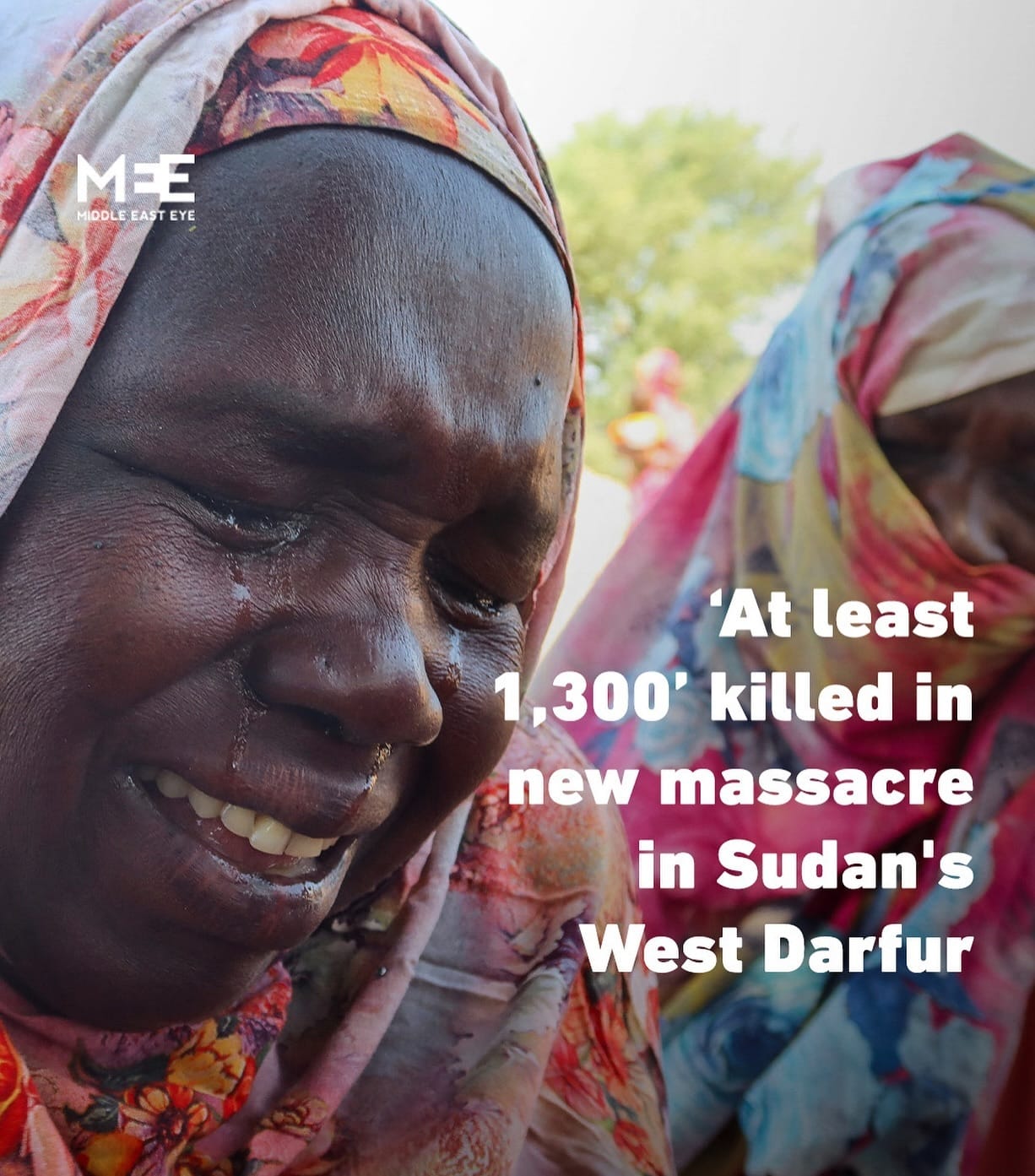
    The persistent political crisis in Sudan has not just engulfed the nation in turmoil but has ravaged the lives of countless innocent civilians, plunging them into an abyss of despair. Amidst the clash of powers and conflict, the true casualties are the hearts and souls of Sudanese individuals, grappling with unfathomable suffering and anguish.

    At the heart of the clashes lie two figures, Abdel Fattah al-Burhan and General Mohamed Hamdan Dagalo (widely known as Hemedti), whose power tussles have plunged the nation deeper into turmoil. Their struggle for control has led to relentless clashes between the Sudanese Armed Forces and the Rapid Support Forces, leaving a trail of devastation—countless lives lost, families shattered, and communities torn apart.

    The impact of this ongoing conflict transcends mere statistics; it’s a human tragedy etched in the sorrowful faces of Sudanese citizens. Lives are upturned, livelihoods obliterated, and dreams decimated in the wake of relentless violence. Scarred and traumatized, innocent souls are caught in a whirlwind of chaos, with no respite in sight.

    However, the plight of Sudanese people is not solely marked by violence. It is a tale of deprivation, where necessities like food, water, and medical supplies are scarcer than ever. Families grapple with excruciating choices—balancing survival against soaring prices and dwindling resources. In the midst of the turmoil, children endure the most of the crisis, their innocent laughter drowned by the deafening sounds of conflict.

    The humanitarian crisis gripping Sudan is an urgent call to action, resonating across borders and pleading for immediate intervention. Lives are uncertain, yearning for a glimmer of hope amidst the unfathomable despair. It is a moral imperative for the global community to extend compassion and aid to alleviate the harrowing suffering of Sudanese civilians.

    Sudan’s cry for peace and stability is not just a national plea—it is a universal call to uphold the values of humanity and solidarity. Every life lost, every child’s tear, and every shattered dream demand an urgent response—a collective effort to end the anguish and rebuild the shattered lives. The time for action is now, to stand united and restore hope in the hearts of those shattered by the relentless turmoil.

  • Kenya’s Fuel Price Anxiety: Straddling Public Sentiment and Economic Realities

    Kenya’s Fuel Price Anxiety: Straddling Public Sentiment and Economic Realities

    By Joe Aura


    Amidst a recent public holiday in Kenya, initially designated for tree planting but embraced with a mix of reflection and concern, the atmosphere was charged with anticipation. The impending announcement by Kenya’s energy regulator regarding fuel prices loomed large, casting a shadow of apprehension over the long weekend.

    Throughout 2023, Kenya’s fuel prices have exhibited volatility due to various factors such as on-off subsidies, a mid-year doubling of VAT, global fuel price fluctuations, and the consistent weakening of the national currency. Unfortunately, these factors have not shown significant signs of favoring a reduction in prices over the past month.

    In the last review in mid-October, the regulator increased fuel prices by a range of KShs. 2.45 to KShs. 5.72. Notably, these hikes could have been more pronounced if not for government subsidies ranging from KShs. 3.07 for petrol to KShs. 11.64 for diesel, aimed at mitigating the impact on consumers.

    Interestingly, governors utilized helicopters for the tree planting exercise during the public holiday, prompting discussions about associated costs and the allocation of funds in such a challenging economic environment. Behind the scenes, stakeholders convened to assess the implications of the imminent fuel price announcement, recognizing its potential impact on households and businesses nationwide.

    Moreover, Tanzania’s recent decline in fuel prices has sparked comparisons and conversations within Kenya’s economic circles, raising concerns about the disparity and its implications for the country’s economic competitiveness.

    As the country eagerly awaits the regulator’s announcement, the palpable tension underscores the significance of this impending news. The potential ramifications on Kenya’s economic landscape warrant a cautious but vigilant observation of the developments ahead.

  • Colonial Reckoning: Apologies, Reparations, and Historic Visits

    Colonial Reckoning: Apologies, Reparations, and Historic Visits


    By Joe Aura,

    {aurajoe6@gmail.com}


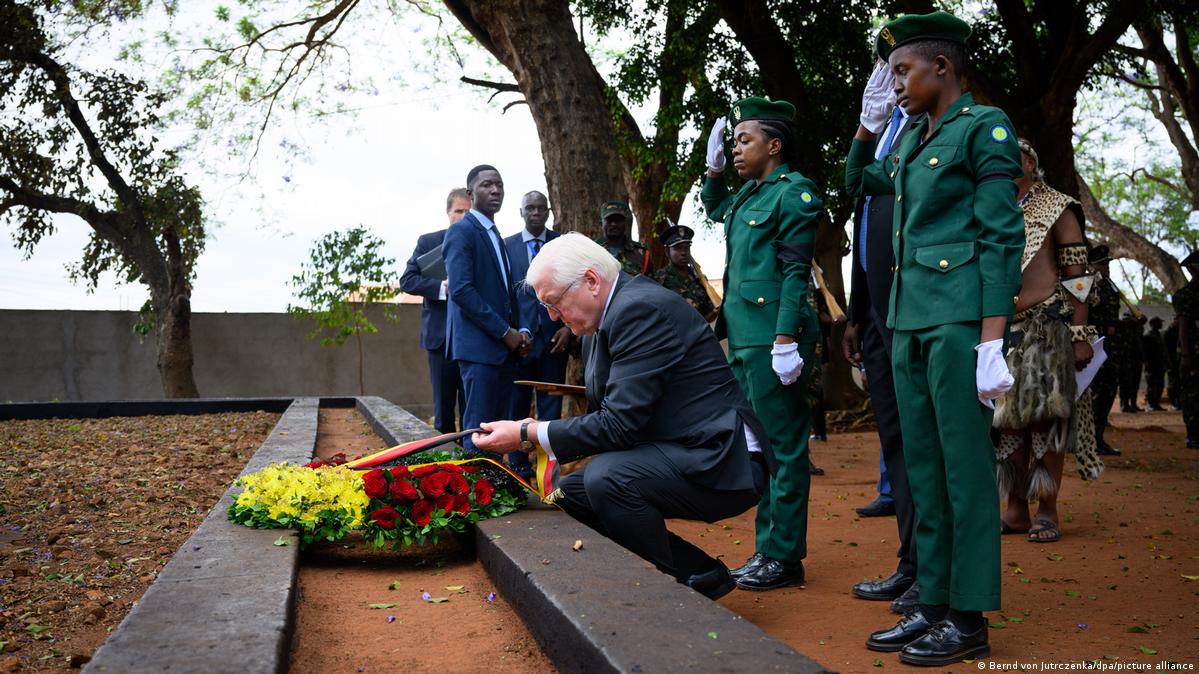
    German President Frank-Walter Steinmeier’s recent visit to Tanzania was not just another diplomatic tour. His three-day sojourn from October 30, 2023, took a significant turn on Wednesday, November 1, 2023, when he publicly apologized for the colonial-era atrocities committed by German forces in Tanzania. This poignant moment of reconciliation echoed across Tanzanian hearts and history.

    In a moving encounter with descendants of local hero Songea Mbano, a brave figure from the Maji-Maji rebellion, Steinmeier’s words carried weight: “This cruel deed has left its mark on many generations. It shames me. I am ashamed about what German colonial soldiers did to your forefather and his fellow warriors.” This apology reverberated on social media, sparking varied reactions. Some Tanzanians demanded more than mere words, advocating for reparations from Germany.

    The arrival of colonial leaders in African countries has sparked divided sentiments. While some extend a welcome, others view such visits with skepticism. The preservation of colonial heritage by African leaders themselves has come under scrutiny. For example, in Kenya, the Maasai leaders sought redress from the British government before the King’s arrival. Historically, the Maasai were reluctant to engage with colonial rule, yet an informal alliance emerged between 1895 and 1904, benefiting both parties mutually.

    The timing of the King’s visit, coinciding with the birthday of an ex-freedom fighter, bears a poignant irony. Despite this, the British extended no direct apology for colonial atrocities to Kenyan leaders during this visit. The legacy of colonialism, marked by wounds that still resonate, underscores the complexity of reconciling the past and moving forward.

    As nations grapple with historical wounds and reckon with legacies of oppression, apologies serve as symbolic steps. However, the call for reparations and comprehensive acknowledgment of past wrongs continues to echo, emphasizing that healing requires more than words—it demands action and sincere efforts toward restorative justice.

  • “In the Abyss of Despair: The Perpetual Humanitarian Crisis Ravaging the Democratic Republic of Congo”

    “In the Abyss of Despair: The Perpetual Humanitarian Crisis Ravaging the Democratic Republic of Congo”

    By Joe Aura


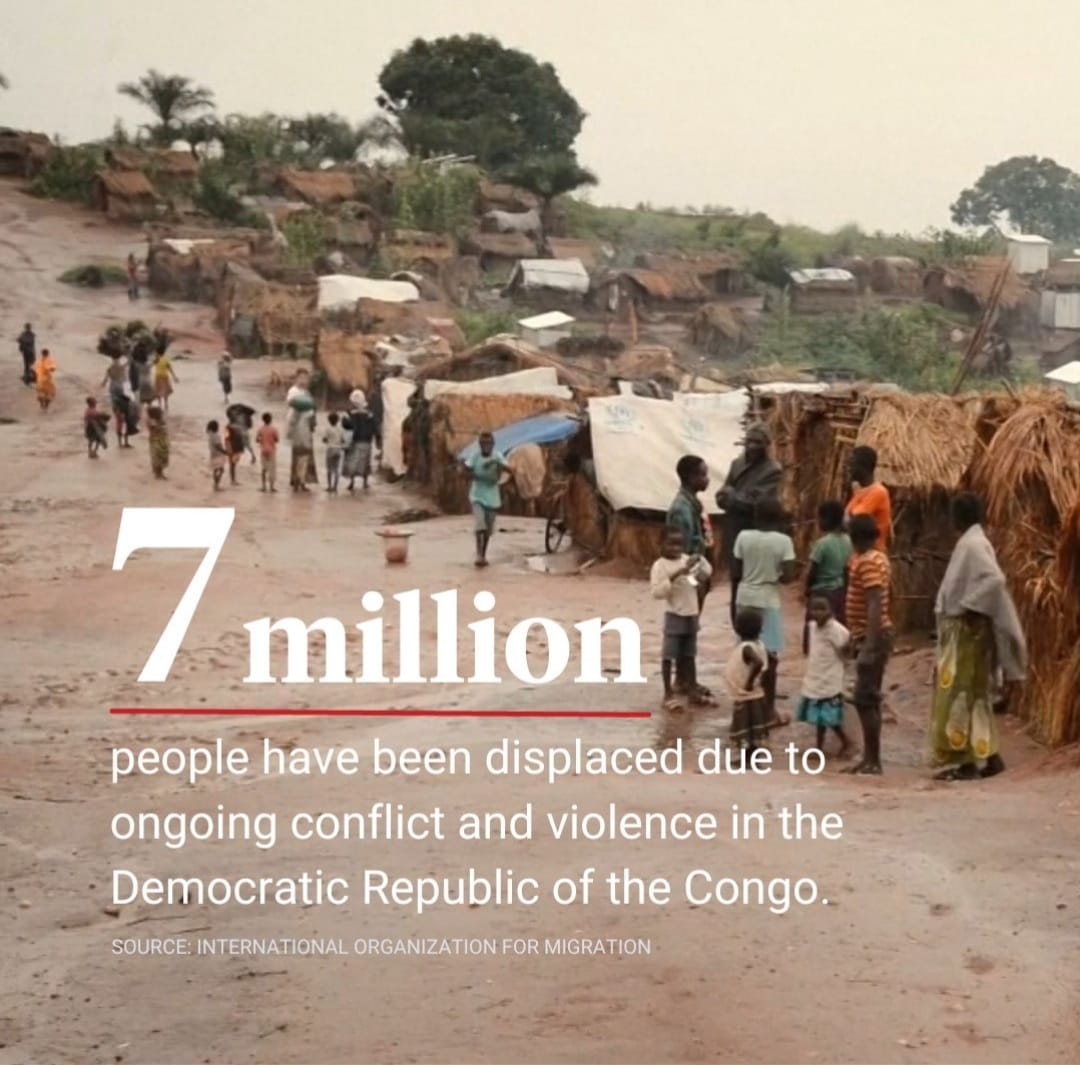
    Amidst the heart of Africa, the Democratic Republic of Congo (DRC) faces a harrowing human catastrophe, with the statistics painting a bleak reality. An estimated 7 million individuals, forced to flee their homes, now stand as testament to the sheer scale of internal displacement in a nation embroiled in relentless violence and turmoil. The International Organization for Migration has sounded the alarm, branding this crisis as one of the most severe internal displacement and humanitarian tragedies witnessed across the globe.

    The epicentre of this anguish resides in the DRC’s eastern region, decimated by incessant clashes involving numerous armed factions. The conflict, fuelled by fighting among myriad-armed groups, has laid waste to communities and inflicted immeasurable suffering upon innocent civilians. As tensions escalate, local communities, their voices muffled by the incessant roar of violence, have raised their outcry against the U.N. peacekeepers, decrying their ineffectiveness in quelling the spiralling chaos.

    Tragically, recent events have further tarnished the efforts of the peacekeeping forces. The suspension of at least eight U.N. peacekeepers over accusations of sexual assault in eastern Congo stands as an appalling testament to the erosion of trust and stability in the region. These allegations cast a dark shadow over the very institutions tasked with restoring peace and offering solace to a populace reeling in anguish.

    The Democratic Republic of Congo stands at a crossroads, grappling with a humanitarian crisis of unparalleled proportions. As millions endure displacement, violence, and unimaginable suffering, the urgency for international solidarity and aid cannot be overstated. It is incumbent upon the global community to step forward, not merely to address the symptoms but to engage in substantive action that seeks to restore hope, dignity, and security to the shattered lives of millions ensnared in the abyss of despair.

    The silence of the innocent echoes everywhere, let us not allow their cries to fade, unheard in the shadows of conflict.