Blog

  • Cameroon Thrash Kenya 4-1 in AFCON Qualifier, Piling Pressure on Harambee Stars’ Campaign

    Cameroon Thrash Kenya 4-1 in AFCON Qualifier, Piling Pressure on Harambee Stars’ Campaign

    By Joe Aura, aurajoe6@gmail.com

    YAOUNDE, October 11, 2024 – It was a night to forget for Kenya as they fell 4-1 to a dominant Cameroon side at the Stade Ahmadou Ahidjo. The Africa Cup of Nations (AFCON) qualifier saw the Indomitable Lions assert their superiority, leaving Kenya’s Harambee Stars in a precarious position as the race for Morocco 2025 heats up.

    Who: Cameroon vs. Kenya What: AFCON Qualifier When: October 11, 2024 Where: Stade Ahmadou Ahidjo, Yaounde, Cameroon Why: Qualification for the 2025 Africa Cup of Nations in Morocco How: Dominant display by Cameroon, led by goals from Bassogog, Mbeumo, and Aboubakar

    Cameroon’s Commanding Performance

    Cameroon came out of the blocks with intent, pushing Kenya onto the back foot early on. Christian Bassogog opened the scoring with a well-placed shot in the 12th minute, setting the tone for what would be a dominant performance by the five-time African champions. Bryan Mbeumo doubled the lead before halftime, capitalizing on a defensive lapse by the Kenyans.

    Vincent Aboubakar added a third goal in the 56th minute, all but sealing Kenya’s fate. A late goal from Bassogog completed his brace, rubbing salt into the wounds of Engin Firat’s men. Kenya managed to pull one back through captain Michael Olunga, whose powerful header gave the Harambee Stars a brief moment of hope.

    Despite the defeat, Kenya’s captain Olunga remained optimistic, calling for unity among fans. “We are disappointed, but we must keep fighting. We still have games left, and we need to learn from our mistakes to bounce back,” said Olunga after the match.

    What This Means for Group J Standings

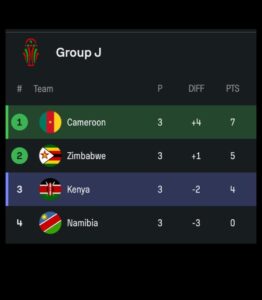
    The result sees Cameroon solidify their place at the top of Group J, enhancing their chances of securing a spot in the 2025 AFCON tournament. For Kenya, the loss leaves them third in the group, making their next match against Cameroon on October 14 in Douala a must-win if they hope to keep their qualification dreams alive. With only three games remaining, the Harambee Stars must deliver to stay in contention.
    Other Results from AFCON Qualifiers

    The Africa Cup of Nations qualifiers on October 11 produced several notable results across different groups:

    • Group A: Madagascar 1-1 Gambia

    • Group B: Gabon 0-0 Lesotho

    • Group C: Egypt 2-0 Mauritania

    • Group D: Benin 3-0 Rwanda; Nigeria 1-0 Libya

    • Group E: Equatorial Guinea 1-0 Liberia

    • Group F: Angola 2-0 Niger

    • Group G: Zambia 0-0 Chad; Ivory Coast 4-1 Sierra Leone

    • Group I: Mozambique 1-1 Eswatini; Mali 1-0 Guinea-Bissau

    • Group K: Uganda 1-0 South Sudan; South Africa 5-0 Congo

    • Group L: Senegal 4-0 Malawi

    From Thursday, October 10:

    • Group C: Cape Verde 0-1 Botswana

    • Group E: Algeria 5-1 Togo

    • Group F: Ghana 0-0 Sudan

    • Group H: Congo DR 1-0 Tanzania

    • Group J: Namibia 0-1 Zimbabwe

    • Group L: Burkina Faso 4-1 Burundi

    Samuel Eto’o’s Gesture Boosts Cameroonian Spirit

    In an effort to galvanize local support, Fecafoot President Samuel Eto’o Fils offered 500 tickets to students of a secondary school in Yaounde. The initiative added to the vibrant atmosphere in the stadium, contributing to a memorable evening for Cameroonian fans. Meanwhile, Kenya’s struggles with home-ground availability have seen them play more away matches, impacting their preparation and form.

    As the qualifiers progress, all eyes will be on the return leg in Douala. Can Kenya turn things around, or will Cameroon continue their march to Morocco 2025? Only time will tell, but one thing is certain: the road to AFCON glory is heating up.



  • ACUMEN THE BUSINESS WORLD CAN GAIN FROM MR TATA

    ACUMEN THE BUSINESS WORLD CAN GAIN FROM MR TATA

    By: Leeroy Wuone

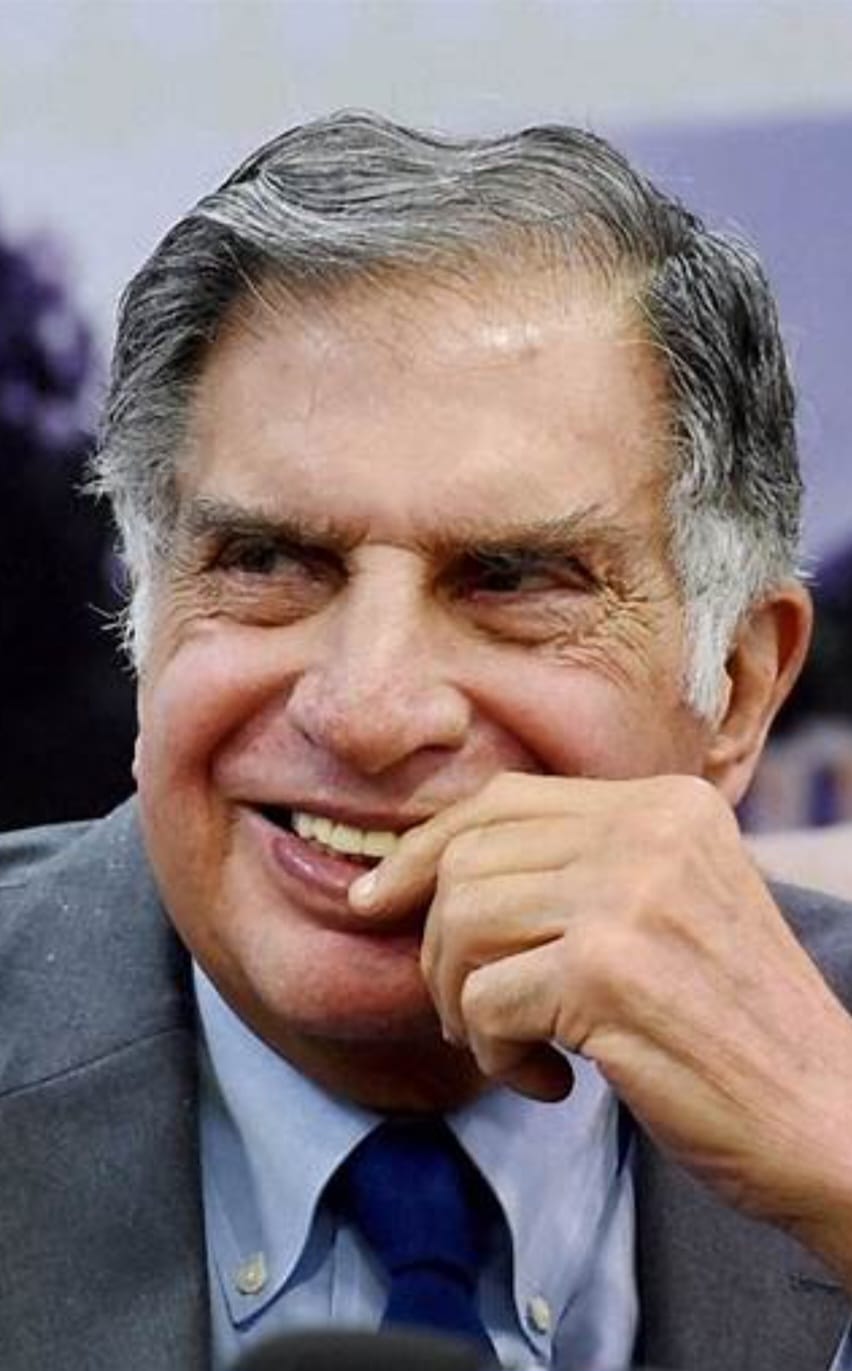
    Ratan Tata was born in 28 December,1937 into one of India’s most Iconic business families’. Tata was not only known for his business acumen but also for his good deeds within and without the Indian society.

    The late Tata was the Chairman emeritus of the Tata Group,he was raised by his grandmother Navajbai Tata after his parents separated when he was ten years old and at seventeen he moved to the United States of America graduating in 1962 with a bachelor’s degree in architecture at Cornell University.

    Around sixty five percent of TATA GROUP’S profits go into charitable trusts to aid in different societyal needs. Ratan Tata did not just view money as financial success, but also as a tool to address societal change.

    In a recent interview with The Indian express Tata expressed the need for creativity and innovativeness for the success of any business. He advised that we should not only be after the value of money but we should look at what the money helped us to do and the contribution we have done in society using money.

    “Needs of the country change and differ and creativity needs to adapt itself to meet those needs.Can we make a difference can we be creative and innovative,’’Mr Tata questioned in his recent interview with the Indian express.

    Mr Tata has always lived his life by values plastered with humbleness, attentiveness to societal needs, innovation, ethical practices and philanthropy. These main values have propelled a modest Tata through success after serving as chairman of Tata Group and Tata sons Company spanning over two decades. There is a time he held the position of interim chairman from October 2016 to February 2017.

    Tata Trusts, one of the largest charitable organizations In India have funded scholarships for students and supported sustainable living projects across India. During the covid 19 pandemic a generous Mr Tata through his company donated Rs 500 crore equivalent to 7.6 billion Kenyan shillings (as per this monthds exchange rate) to fight the covid 19 pandemic. Furthermore he donated fifty million dollars to his alma mater Havard business school where he studied business management for the establishment of an executive centre portraying his belief in nurturing young leaders’ through education in readiness to make the world a better place in future.

    Tata medical Centre in Kolkata aims to provide world class treatment to cancer patients,his work has been marked with genuine humility in every individual interaction.His initiatives have left a deep seated impact that will benefit future generations to come especially in India his motherland .

    Aatma Ko Sadgati Prapt Ho Mr Ratan Tata.


  • PROF. LABAN AYIRO LAUNCHES NEW BOOK ON EDUCATIONAL RESEARCH.

    PROF. LABAN AYIRO LAUNCHES NEW BOOK ON EDUCATIONAL RESEARCH.

    By Tracy kavai, nyaberakavai@gmail.com

    The Vice-Chancellor of Daystar University Prof. Laban Ayiro has unveiled yet another book titled – Educational Research Methods: A Functional Approach.

    The book was launched at a colorful ceremony at Sarova Panafric Hotel graced by Chairman of Bidco Africa, Vimal Shah, who lauded Prof. Laban Ayiro’s contribution to Kenya’s academia and urged universities to work together for betterment of education and students.

    Other guests who attended event include former Makueni Governor Prof. Kibutha Kibwana who is now a professor of law at Daystar University, Daystar University founder Doctor Donald Smith, Chairman of Chiromo Hospital Group Professor Frank Njenga and Literary Communications Professor Egara Kabaji, among others.

    The launch marks a significant milestone in the advancement of educational research in Kenya. According to professor Ayiro, the book is not merely a collection of research methodologies; it serves as a clarion call for educational reform, urging collaboration among educators and institutions.

    As articulated by Prof. Ayiro, the intended impact of this work transcends individual readers, emphasizing the importance of uplifting the education system for future generations. “I believe that the intended impact of this book extends beyond individual readers. It is a clarion call for educational reformation, encouraging collaboration, fostering networks of support among educators and ultimately enabling us to uplift our education systems for future generations.”

    Vimal Shah, the chairman of Bidco Africa, underscored the importance of adapting to changing circumstance. “If we do not reinvent ourselves every single day, we will be left behind and so research methods are changing and even the way we do business is changing. There is need for collaboration amongst universities because if we come together, we can solve a lot of our problems.” This sentiment echoes the call for modernizing curricula and developing strategies that align with global educational standards.

    Prof. Kivutha Kibwana emphasized the necessity of convincing stakeholders of the benefits of research, even within the public sector, stating that it can ‘ameliorate some of the issues which undermine our ability to do better.”We need to be persuaded that research is not harmful even when it comes or meets with the public sector and it can only help to ameliorate some of the issues which undermine our ability to do better.”

    Prof. Frank Njenga’s remarks that investments in youth yield higher returns than those in infrastructure reveal a paradigm shift towards recognizing human capital as a priority, “if Kenya had only 100 shillings to invest, and the choices we had was between roads, electricity, dams, infrastructure and so on, the returns you would get by investing in young people, far outstrip investment in anything else.”

    By promoting collaboration among universities, Prof. Ayiro’s book advocates for a redefined approach to educational research, one that is both impactful and responsive to societal needs

    On his part Professor Kabaji who was the chairman of the Book Launch Committee noted, “It is important as we launch this book to reflect on our education system, to rethink our education system and to reposition research in our universities and carry out research this going to be impactful to the society.” This call to action resonates with the current landscape, where research often lacks direct applicability to real-world challenges. Prof. Ayiro’s book addresses this gap by presenting a functional approach to educational methodologies that can effectively inform practice.

    As universities strive to remain relevant, incorporating research that addresses pressing societal issues will not only enhance academic credibility but also improve the overall educational experience for students.

    The launch of ‘Educational Research Methods: A Functional Approach’ by Prof. Laban Ayiro represents more than just a new publication; it signifies a pivotal moment for educational reform in Kenya.

    By advocating for collaboration among educational institutions and focusing on research’s societal impact, the book sets the stage for transformative practices in academia. As stakeholders in education continue to embrace these ideals, the future of Kenya’s educational landscape promises to be more adaptive and responsive to both local and global challenges.


  • Book Review: Before The Coffee Gets Cold

    Book Review: Before The Coffee Gets Cold

    By Mercy Mwaniki

    If you could go back in time, who would you want to meet? Would you choose to travel to the past, knowing you can’t change the present? And what if you could also journey into the future?

    Before the Coffee Gets Cold is a captivating work of fiction set in a small café called Funiculi Funicula in Tokyo. It is the first in a series of four books, each offering new adventures and different outcomes.

    This book evokes a range of emotions, laughter, anger, excitement, and anxiety, among others. You may find yourself questioning whether there’s a worthwhile reason to revisit the past, even when the present remains unchanged. Funiculi Funicula has taken on an air of urban legend because the characters can not only travel to the past but also, on rare occasions, to the future. A ghost inhabits a specific seat that one must occupy to time travel, and there are rules to follow, including the critical one: “before the coffee gets cold.”

    The four stories within the book provide closure in various ways. One tale features lovers who part ways due to a better job opportunity, while another centre on a wife seeking a connection with her husband, who has Alzheimer’s disease. There’s also a story about two sisters with different dreams, and one that follows a pregnant mother who travels to the future to meet the child she bore before her untimely death.

    The themes of unspoken words, fading memories, undisclosed thoughts, and the inevitability of death resonate throughout. The characters are vividly drawn, drawing you in and prompting deep reflection on whether you would make similar choices. The suspense is palpable and adds to the excitement.

    This book invites you to see different perspectives in a variety of situations. The urge to learn more will compel you to seek out the second, third, and even fourth instalments, you won’t want to say goodbye. You’ll come to appreciate the power of words, the strength of promises, and the relief that comes from making different choices.

    If you’re interested in hearing more about the Tales from the Café, Before the Coffee Gets Cold is a book I wouldn’t hesitate to read again. It offers fresh insights that might even provide solutions to the dilemmas you’ve been pondering. I would rate it an 8/10 and highly recommend picking up a copy at the Textbook Centre for just 1450 Ksh.


  • Revenge Tourism vs. Sustainable Tourism: Reflection on World Tourism Day

    Revenge Tourism vs. Sustainable Tourism: Reflection on World Tourism Day

    By Joe Aura, aurajoe6@gmail.com

    Just four years ago, bustling cities and renowned streets were hauntingly deserted as the global tourist sector came to a halt. Hotels shut down, eateries dimmed their lights, and entire industries teetered on the brink of collapse. Fast forward to 2024, and the pendulum has swung in the opposite direction, some of the world’s most beautiful destinations are grappling with revenge tourism, even contemplating the unthinkable: shutting their doors to tourists to survive.

    Revenge tourism refers to how travelers are doubling down on recovering the time lost to travel during COVID-19. Instead of traveling once a year, many are now taking two or three trips annually.

    This year, the travel sector is projected to reach a record-breaking economic contribution of $11.1 trillion, making it a significant year for tourism revenues. However, the surge in tourism isn’t universally welcomed. Some countries and local communities are grappling with the downsides of becoming popular tourist destinations, such as cultural erosion and the strain on local resources.

    Revenge tourism has led to significant challenges in popular destinations. In Barcelona, for example, locals have expressed their frustration through protests, including one where they used water guns to squirt tourists dining in open cafes. This protest was part of a broader movement against mass tourism, which many residents feel has disrupted their daily lives and increased the cost of living. The influx of tourists has led to higher prices for restaurants, hotels, and even apartments, as many properties are converted into short-term rentals.

    Similarly, in small towns like Hallstatt in Austria, often mistaken for the inspiration behind Disney’s “Frozen”, the situation is even more pronounced. With a population of just 800, Hallstatt sees hundreds of thousands of tourists, many of whom are day-trippers. These visitors often do not contribute significantly to the local economy but still cause congestion and strain local resources.

    These examples highlight the complex dynamics of revenge tourism, where the desire to travel and make up for lost time during the pandemic clashes with the capacity and tolerance of local communities. In the episode titled “Revenge of the Tourists” from Trevor Noah’s What Now? podcast, Trevor and travel journalist Rajan Datar unpack the intricate dynamics of modern tourism. One major theme they explore is the growing issue of overtourism, where popular destinations become overwhelmed by the sheer volume of visitors. This influx leads to rising living costs, displacement of locals, and degradation of the environment. The discussion highlights local reactions to this burden, including instances of communities actively resisting tourists, such as locals in Spain using water guns to deter disruptive visitors.

    While the economic benefits of tourism are undeniable, bringing much-needed revenue and job creation to many regions, Datar emphasizes that these gains often come with steep social and environmental costs. He advocates for sustainable tourism practices as a solution, underscoring the need for responsible travel that benefits both tourists and the communities they visit. Striking this balance is crucial to ensuring tourism remains a force for good rather than a disruptive influence.

    What sustainable practices can we implement amidst this boom? The late Anthony Bourdain once said we must be travelers, not tourists. A good example is how Copenhagen rewards tourists who behave well through the CopenPay initiative. This program allows visitors to earn points for making sustainable choices, such as using public transport, staying in eco-friendly accommodations, and dining at sustainable restaurants. These points can be redeemed for free experiences in the city.

    Kenya’s tourism industry is also on an upward trajectory, gradually recovering with several commendable practices aimed at attracting both local and international tourists. These include community-based tourism, which involves local communities in tourism activities to ensure they benefit directly, providing tourists with authentic cultural experiences. Sustainable wildlife tourism has also been emphasized, focusing on conservation efforts and responsible wildlife viewing through support for national parks, eco-friendly lodges, and camps.

    Digital marketing campaigns on social media platforms showcase not only famous safaris but also lesser-known destinations, while improved infrastructure, including better roads and airports, enhances travel convenience and safety. Eco-tourism initiatives, such as renewable energy use and waste management systems, promote environmentally friendly accommodations. Cultural festivals and events celebrate Kenya’s rich heritage, attracting tourists to various parts of the country. Finally, stringent health and safety protocols introduced after the COVID-19 pandemic ensure the well-being of visitors, making Kenya a more attractive and sustainable destination.

    While the booming tourism industry promises economic prosperity, it also demands a recalibration of sustainable practices to ensure the preservation of both peace and local cultures.


  • A Year After the October 7th Attack

    A Year After the October 7th Attack

    By Joe Aura, Aurajoe6@gmail.com

    “Imagine there’s no countries, it isn’t hard to do.

    Nothing to kill or die for, and no religion, too.

    Imagine all the people, livin’ life in peace.”

    – Imagine, John Lennon

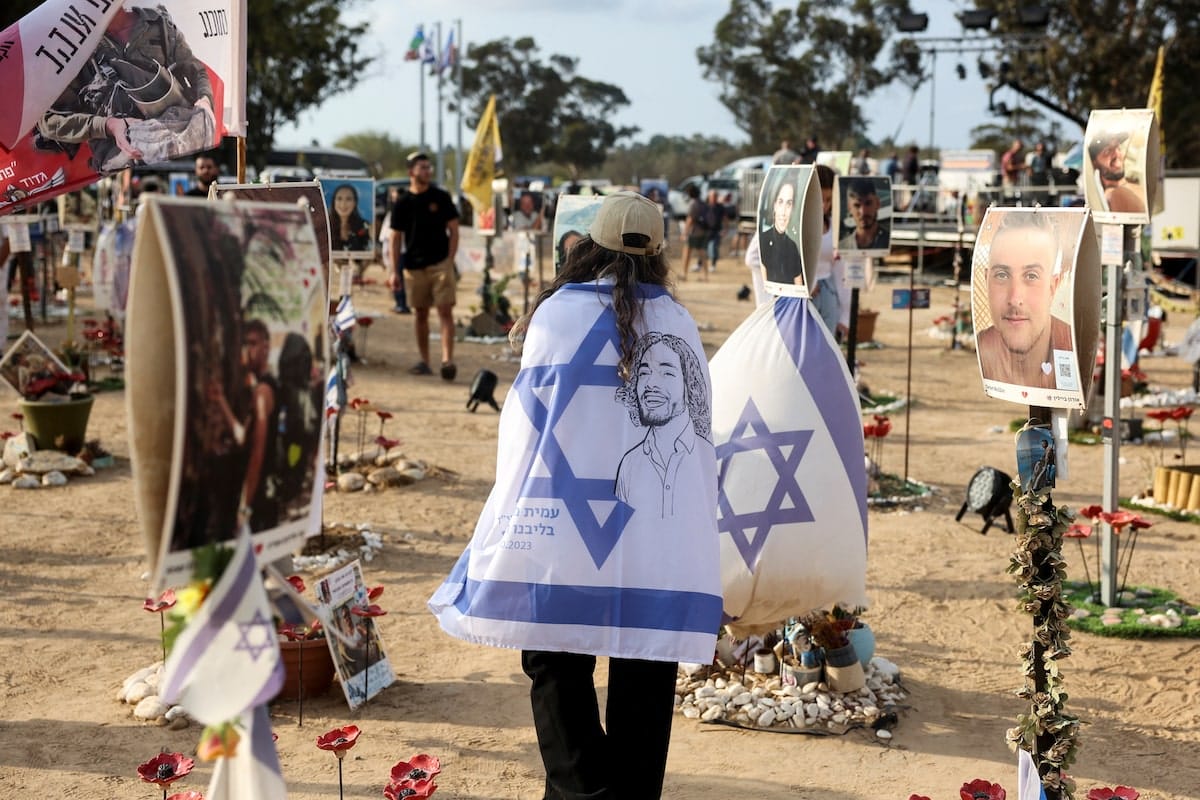
    To mark the first anniversary of Hamas’s attack, the last song heard at the Nova Music Festival was played, followed by a moment of silence in memory of the victims. This song, the best-selling single of John Lennon’s solo career, encourages listeners to envision a peaceful world free from materialism, borders, and religion.

    On October 7, 2023, the Nova Music Festival in Israel was violently interrupted by an attack, resulting in up to 1,000 casualties and numerous kidnappings. The horrific events were streamed live, exposing the world to the brutal chaos. In response, Prime Minister Benjamin Netanyahu announced a stern retaliation, strongly supported by the United States. This incident was a significant blow to Israel, a nation known for its advanced defence systems and the intelligence prowess of Mossad. Was this a strategic sacrifice, like a chess queen taken to achieve checkmate? The lives lost far exceeded the value of any chess piece, yet Mossad’s reputation for exceptional intelligence operations remained intact.

    Mossad had previously uncovered tunnels used by Hamas within Palestinian territories. Fast forward to September 2024, when Israel executed a meticulously planned attack on allies of its enemies in Lebanon, signalling a new era of warfare. How did Hamas manage to intercept communications and set explosives to detonate at precise moments and locations?

    The days following the concert were among the darkest. Disturbing videos emerged from Gaza, showing the dead, children in distress, and grieving mothers. Misinformation spread rapidly, even leading to the President of the United States being misquoted. Humanitarian aid workers and journalists documenting the atrocities faced significant dangers.

    Celebrities and social media rallied in support of Palestine, but the world continued its business as usual. In Kenya, groups organized peaceful protests to raise awareness. South Africa, with its history of apartheid, took a bold step by filing a genocide case against Israel, recognizing oppression when they saw it. This case brought hope but also forced nations to take sides. As the American elections approached, there was pressure to adopt an ethical stance. It wasn’t until the attack in Rafah, after witnessing the devastation in Gaza, that countries like the USA began to criticize Israel’s actions.

    Following several ceasefire negotiations, Israel continued its operations, targeting individuals and refugee camps. Civilians were advised to flee south, only to be bombarded with missiles. Scarcity of food, water, and healthcare became pervasive, with children being born under the shadow of military-grade weapons and the constant sound of bombs. We witnessed traumatized children and families torn apart, with entire lineages potentially wiped out. What was once a community, a beach where children played, was reduced to ashes, overshadowed by whispers of another war in Lebanon. Many hostages remain unaccounted for, with families still waiting for news of their loved ones. Have they been forgotten? Coverage of Gaza has shifted from top priority to secondary as other conflicts emerge.

    This morning, Israel commemorates the loss of its loved ones while continuing operations in Gaza. They reported three missiles fired from the southern strip, all intercepted by the Israeli air force. Investigations are ongoing into how five missiles managed to penetrate Israeli defences.

    The world must unite to put an end to this war. The suffering and loss on both sides are immeasurable, and a peaceful resolution is urgently needed.


  • TRAVEL BAN IMPOSED ON SENATORS AHEAD OF GACHAGUA IMPEACHMENT VERDICT.

    TRAVEL BAN IMPOSED ON SENATORS AHEAD OF GACHAGUA IMPEACHMENT VERDICT.

    BY TRACY KAVAI

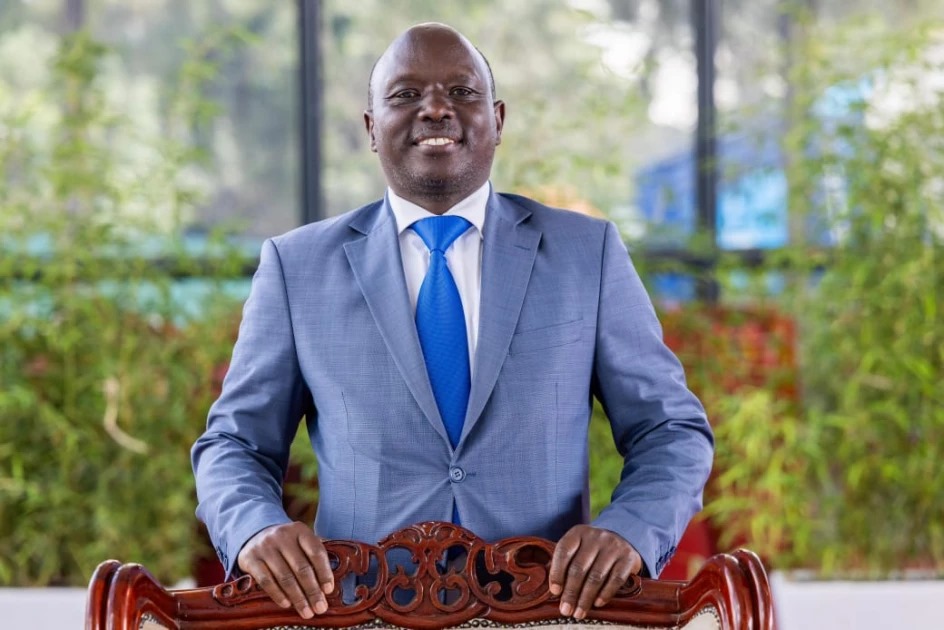
    All Kenyan Senators and Senate staff have been temporarily barred from traveling abroad until October 19, 2024, as the Senate prepares to decide on Deputy President Rigathi Gachagua’s impeachment.

    Senate Speaker Amason Kingi issued the directive on October 8, suspending all Senate committee activities outside Nairobi to ensure full participation in the impeachment proceedings.

    Kingi emphasized the importance of maintaining focus during this critical time, stating, “All travel outside the country by Senators and Senate staff is hereby on hold to ensure participation without distractions.”

    The Senate will deliberate on the case on October 16 and 17 after receiving communication from the National Assembly recommending Gachagua’s removal. The Deputy President and the motion’s mover must file their responses by October 14.


  • GOVERNMENT EXTENDS MEDICAL COVER FOR CIVIL SERVANTS AFTER STRIKE THREAT.

    GOVERNMENT EXTENDS MEDICAL COVER FOR CIVIL SERVANTS AFTER STRIKE THREAT.

    BY TRACY KAVAI, nyaberakavai@gmail.com

    The government, through the Ministry of Public Service and Human Capital Development, has extended the medical insurance cover for civil servants until November 21, 2024.

    Public Service Principal Secretary (PS) Amos Gathecha confirmed that the extension of the Comprehensive Medical Insurance Scheme (CMIS) will ensure “seamless transition and effective service delivery” for beneficiaries. The medical cover, which initially expired in June 2024 and was later extended to September, is now under the Social Health Authority (SHA), replacing the defunct National Health Insurance Fund (NHIF).

    In a notice issued on Tuesday, PS Gathecha revealed that “the contract was executed for a period of one year with effect from 1st July 2023 to 30th June 2024 and was extended for three months up to 30th September 2024.” With the recent extension, civil servants, including employees of both national and county governments as well as staff of the National Youth Service (NYS), will continue to access medical services. Gathecha clarified that “the State Department for Public Service, in consultation with the Social Health Authority (SHA), has agreed to extend the contract up to 21st November 2024.”

    However, this temporary measure follows significant unrest among civil servant unions, which issued a 14-day strike notice over concerns about healthcare coverage. The unions criticized the SHA rollout, claiming that it left out key benefits, resulted in higher deductions, and led to job losses. In a joint statement, they declared: “We call upon the National and County governments to urgently address these issues and ensure that civil servants are not left without proper healthcare coverage.”

    While the extension provides temporary relief, the unions maintain that their demands are yet to be fully addressed. “Our members cannot continue to face increased deductions for diminished healthcare services,” they stated. With the strike threat still looming, the unions insist that the government’s response does not resolve the underlying issues.


  • KENYAN GOVERNMENT ALLOCATES KSH.100 MILLION FOR EVACUATION OF CITIZENS IN MIDDLE EAST

    KENYAN GOVERNMENT ALLOCATES KSH.100 MILLION FOR EVACUATION OF CITIZENS IN MIDDLE EAST

    BY TRACY KAVAI, nyaberakavai@gmail.com

    The Kenyan government has set aside Ksh.100 million to assist in the evacuation of citizens currently residing in the Middle East, where escalating tensions are posing a growing risk.

    Prime Cabinet Secretary Musalia Mudavadi addressed the Senate on Wednesday, confirming that the government is committed to ensuring that no Kenyan is left stranded amid the ongoing insecurity between Israel and Lebanon. He emphasized the urgency of the matter, stating that “the government is keen to act” to help those in need.

    With approximately 26,000 Kenyans living in the region, the Kenyan embassy in Kuwait has already registered around 1,500 citizens who require evacuation assistance.

    Mudavadi reassured Senators that the government is closely monitoring the situation and stands ready to respond to any further developments. “After the government reached out to the Kenyans in Lebanon, a number of them said they were comfortable there and would reach out to the government when the situation was unbearable,” Mudavadi informed the Senate.

    The government’s strategy to assist citizens during humanitarian crises is at an advanced stage, but Mudavadi acknowledged that financial constraints are hindering smooth operations. Nevertheless, he stressed that the government’s priority remains the welfare of its citizens. “We are working every day to ensure that we handle individual cases in the best humanitarian way we can,” Mudavadi added, while also noting that some Kenyans prefer to remain in the region in the hope that the situation will stabilize.

    Mudavadi highlighted the government’s ongoing efforts to strengthen Kenya’s diplomatic missions worldwide. “Our Kenyan embassies and missions remain steadfast in promoting, projecting, and protecting Kenya’s image and national interests,” he said, adding that the government is committed to ensuring that all Kenyans abroad are supported.


  • RUTO APPOINTS MUNYORI BUKU AS NEW HEAD OF PRESIDENTIAL COMMUNICATION SERVICE.

    RUTO APPOINTS MUNYORI BUKU AS NEW HEAD OF PRESIDENTIAL COMMUNICATION SERVICE.

    BY LEEROY WUONE

    President William Ruto has appointed veteran journalist Munyori Buku as the new Head of the Presidential Communication Service.

    This announcement was made by State House Spokesperson Hussein Mohamed on Wednesday. Buku, who has been serving as Secretary for Public Communication at State House, will take over his new role immediately, following the exit of David Mugonyi, who was appointed Director General of the Communications Authority of Kenya (CA) last year.

    Buku is no stranger to the world of public communication. He has over 26 years of experience working in senior roles within both the public and private sectors. Before his promotion, he had served as Senior Director of Public Communication at State House and as Director of Communication in the Office of the Deputy Prime Minister and Ministry of Finance.

    Additionally, he worked as an Editorial Manager at the Kenya Yearbook Editorial Board. His extensive experience includes media roles at major outlets such as the Standard Group, where he served as Managing Editor, and at Nation Media Group, where he was a Sub-Editor.

    Buku holds a Bachelor of Education (Arts) degree from Kenyatta University and a postgraduate diploma in Mass Communication from the University of Nairobi. His journey in communication began in journalism after initially starting as a teacher in various high schools across the country. Over time, Buku rose through the ranks to become a respected figure in both the media and government communication sectors.

    State House Spokesperson Hussein Mohamed lauded Buku’s appointment, stating: “Munyori Buku brings a wealth of experience and strategic insight into public communication. His leadership will enhance the delivery of the President’s communication agenda.” The appointment underscores President Ruto’s commitment to strengthening communication within the Presidency as part of his broader governance strategy.