Category: Features

  • The Most Toxic Family Dynamic Ever Written

    The Most Toxic Family Dynamic Ever Written

    by Bem Ayuko

    {images by Tekken}


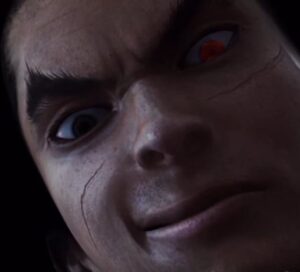
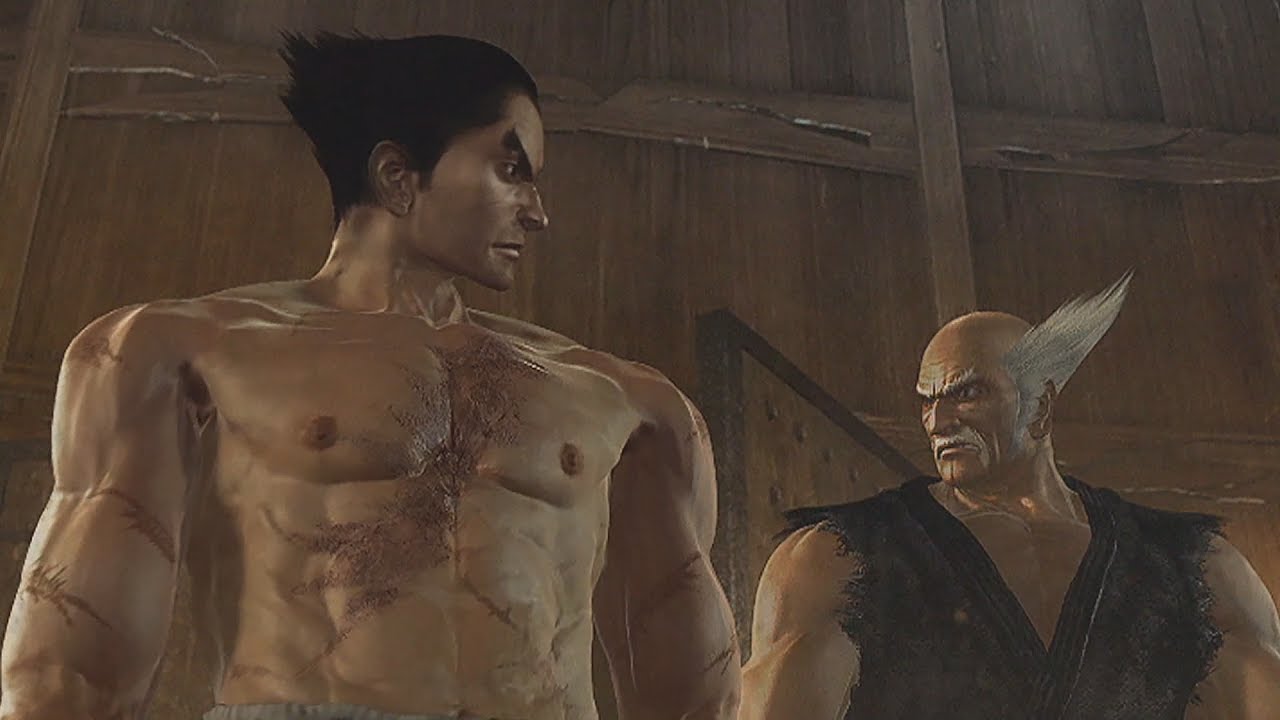
    For anyone who grew up like I did, playing Tekken 3 on PlayStation 1, Heihachi Mishima was pretty much just that old guy who looks like somebody’s grandfather. Only later on do you actually realize just how insane the lore behind the Tekken series and why this character shouldn’t be so easily dismissed.

    It all starts when a young girl named Kazumi Hachijo happens upon the Mishima Dojo. There, she meets a young Heihachi, they grow in love and eventually wed and bare offspring, whom they name Kazuya.

    One day, Kazumi collapses in training, and when she wakes, she is like a completely different person. In fact, she completely morphs into some form of demonic entity. She reveals that she came to the Dojo intentionally in order to kill Heihachi, foreseeing the tyranny that he will enforce in his future. Heihachi, tragically, can only shed a tear as he has no choice but to murder the love of his life in cold blood.

    Heihachi, fearing that his 10yr old son may be possessed by a similar demonic entity, does what any father would do to handle the situation. He throws him off a cliff. The logic being that, if he survives, then he was surely right. Textbook parenting.

    He then proceeds to imprison his father and take over the family business, The Mishima Zaibatsu (The Dojo). Truly unhinged.

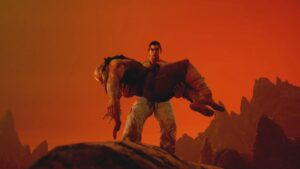
    His son, Kazuya Mishima, actually does survive the fall and, after learning about the fate of his mother, trains and trains until one day, when he is much older, he returns to face his father to exact revenge. He defeats him and, in an ironic twist of fate, he carries him up the same mountain, and tosses him off the same cliff. He is very satisfied with this.

    Heihachi, not to be outdone by his son, survives this fall, and returns to find that his son Kazuya has taken over the family business. He proceeds to exact his own revenge and, after a taxing battle, Kazuya morphs into a demonic entity. Alas, Heihachi was right. He defeats him and this time, carries Kazuya up a Volcano and tosses him inside to get rid of him for good.

    Heihachi then sets his sights on Kazuya’s son, Jin Kazama, who was training to avenge his own mother’s death. Having helped him achieve his revenge, Heihachi tries to end his life as well, perhaps fearing that the same demonic entity lies within him as well. This attempt on his life only serves as a catalyst to unleash the demonic entity and Jin survives, escaping into the night.

    Would you believe it, but Kazuya survived the Volcano. Surprised? Actually, his body was recovered by G-Corp (an organization in the know) and they revived him to even greater strength.

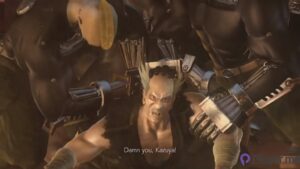
    He immediately sets on a course for his father, Heihachi but just as they meet, they are interrupted by Jin, who defeats them both. He then disappears. Kazuya and Heihachi wake up to find themselves surrounded by terminator-esque androids (the JACKS). They fight side-by-side, showing us a glimpse of what could have been. Alas, Kazuya betrays his father and leaves him for dead.

    Kazuya takes over G-Corp and goes out in search of his son. He comes across Akuma, a demon, in the city and when fighting him, morphs into a demon himself. This turns out to have been set up by Heihachi as now, in the public eye, everybody can see Kazuya for who he is. Heihachi, in an act of, perhaps even his, most vile and cruel malevolence, cancelled his own son.

    Heihachi, having barely survived the JACKS’ incident, was now in Kazuya’s crosshairs. They agree to meet inside a that volcano and proceed to fight to the death.

    After an arduous battle, Kazuya, finally, defeats his father.

    He picks him up and throws him directly into the lava. Heihachi Mishima…is Dead.


    Or so we thought. Listen, Heihachi and Kazuya have killed each other a number of times, yes, but still. This genuinely seemed like the one. Turns out, we were wrong…again.

    He’s Back! Breathing new life into probably the most toxic Father/Son relationship yet.

    We eagerly await this family reunion.


  • The Ship of Theseus

    The Ship of Theseus

    by Ben Ayuko

    {image by jotem}

    We have all, by now, heard of ‘the Ship of Theseus‘. If you haven’t, Theseus was Divine Hero and a Founder of Athens in Greek Mythology. He was known for his exploits, most famously perhaps for defeating the minotaur. The King Minos of Crete had an annual tradition whereby he would select 7 maidens & 7 young men from Athens to feed, as a sacrifice, to the minotaur located at the center of the Labyrinth on Crete. Theseus, determined to end Minoan rule, volunteered to go as one of the young men. Remember when I said he was a Hero.

    He would find his way to the Minotaur, slay it, and, with the help of Ariadne- the King’s daughter- he would make his way out of the Labyrinth, escaping the island on a ship. The Athenians, undoubtedly grateful, would preserve this ship -which came to be known as the aforementioned Ship of Theseus– by replacing each panel of decaying wood one at a time. That’s how the story goes anyway.

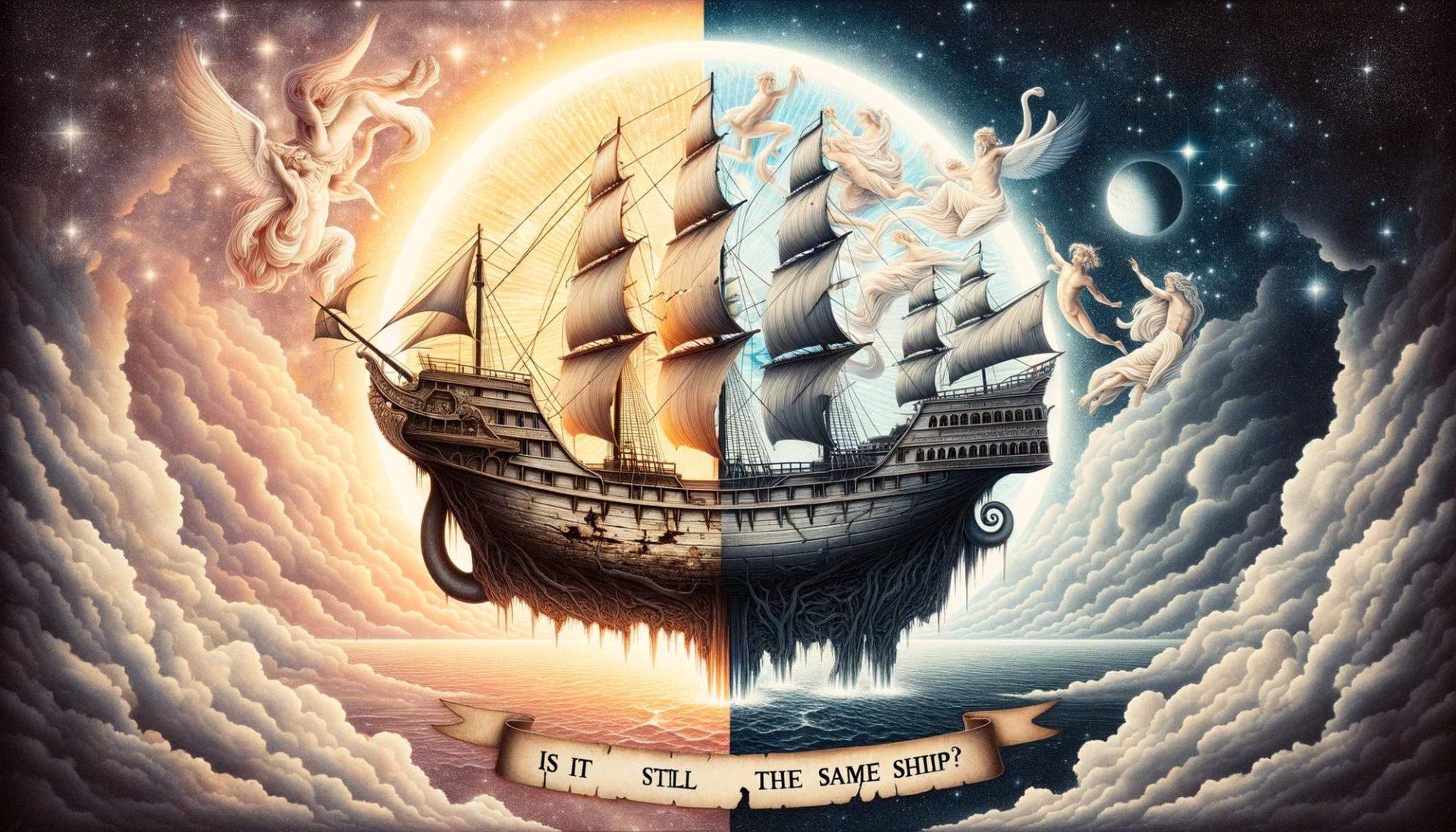
    The question is this, after every single aging/decaying panel of wood that makes up the boat has been replaced by new wood, can we still refer to the new ship as the Ship of Theseus?

    Or, in other words, what makes the ship of Theseus the Ship of Theseus? Is it the wooden framework? Is it the contents of the ship? Is it the fact that Theseus sailed on it?

    Surely once you have replaced every single panel of the ship, then the original ship ceases to exist. Or maybe it does still exist, but it exists in the corner where the pile of discarded dead wood has been tossed. That is to say, should one possess the ability to stitch the dead wood back together, then Theseus would now have 2 ships, no? Or is it still just one? Surely, they can’t both be the Ship of Theseus because only one of these ships aided in his escape from Crete. But which one is it?

    With developing technology, we, as humans, may soon have to come up with a concrete answer to this question. In video games such as Cyberpunk 2077, we come across characters who have augmented their bodies, replacing their fleshy body parts with robotic attachments to enhance their level of existence. For instance, replacing one’s eyeballs with actual cameras that can see things more clearly, record events, even zoom in and out. Maybe they want to run faster/ jump higher, so they replace their legs with machinery that would enable them to do so. They have smoked all their lives and have therefore weakened their lungs, so they replace them with more efficient ventilators. Or they have had one too many heart attacks and opt to replace their heart with a state-of-the-art pacemaker.

    Or maybe I take things up an echelon. I want to avoid death. I mean, it’s only the physical elements of our bodies that die, right? The brain may decay and limit the mind’s functionality, but the mind would otherwise remain unaffected.

    Maybe I want to live beyond the years my body will allow me. Maybe I watched shows like ‘Altered Carbon‘ and ‘Pantheon‘ and got intrigued by their idea of life. Maybe I can just lift my consciousness from out of my brain and preserve it on some kind of digital hardware. Maybe I can upload this hardware onto a different machine and live like the Terminator and call myself Adam Smasher.

    If I did so, then would I cease to be myself? And if so, then at what point would I cease to be myself? How many body parts would I need to replace in order to stop being myself? And if I donated all my body parts to one single person who needed them, would they become me? Surely, we couldn’t both be me, could we?

    Or maybe I made a copy of my own consciousness. Then I put it into another body. Would it be me? If anyone else talked to it, they would definitely believe that they were talking to me, wouldn’t they? But it wouldn’t really be me, would it? If I left my clone with them and travelled to the other side of the galaxy to start another life, by the time I returned, would they still accept me? Or would my clone now take priority considering the clone now had some new memories with them. Memories that I don’t have. From their perspective, it’s all the same. All the time I’ve been away, they have been living with me.

    If Theseus returned from beyond Olympus, would he recognize the ship as the same ship he had escaped from Crete with? If not, then what was the crossover point?

  • Wait, Which one is You Again?

    Wait, Which one is You Again?

    by Ben Ayuko

    {image by TheScientist}

    If you haven’t finished “the Boys” season 4 (and you intend to), then go watch it first then get back to me. If you generally don’t care about the Boys, then allow me to pick your brain.

    If you don’t know the Boys, well then let me introduce you. “The Boys” is one of the most family friendly, light-hearted and at times even hope-filled television programs currently on air. Adapted from a comic book series by Garth Ennis and Darick Robertson, it was brought to life on the screen by Eric Kripke, the same mind that brought you “Supernatural”.

    The Boys” is about a ragtag group of acquaintances challenging the status quo that is orchestrated by the powers that be. A story about how important family is, and that if you have family, everything will always work out in the end.

    In season 4 of “the Boys“, Annie January, aka Starlight, is kidnapped and subsequently replaced by a shape shifter. This shapeshifter assumes the identity of Annie seamlessly. This is made possible by the fact that, when it assumes her identity, it also assumes her memories. Now, what this means is, should anyone try to question her under suspicion of being an imposter, every answer that it would give is an answer that Annie would have given. Because not only did it copy her body, but italso copied her mind.

    This becomes an issue when it, the Shapeshifter, goes to Annie’s home where she stays with her Boyfriend, Hughie, and decides to propose to him. Hughie, elated with joy, accepts the proposal and even gets, unbeknownst to him, the Shapeshifter a ring. They stayed together for 10 days before the Shapeshifter’s ulterior motives came into play, forcing itto reveal itself. When Annie resurfaced and found out what had happened, she was, understandably, very cross with Hughie.

    Which lead me to my question. Did she have a right to be angry? I mean, sure, she obviously would be considering she came home to find that, not only did her partner not even realize she was gone, but he had also got engaged to another woman. But even so, does the fact that he thought it was her account for anything? Remember, this person is the exact likeness of the person he knew, down to the memories they shared. Heck, even her ambitions. The imposter may not share the same burning desire, but it at least knows what the desires are.

    And it isn’t as though he spotted another lady who he deemed superior to his partner. The person he vowed to spend the rest of his life with was, at least in his own head, effectively, his partner.

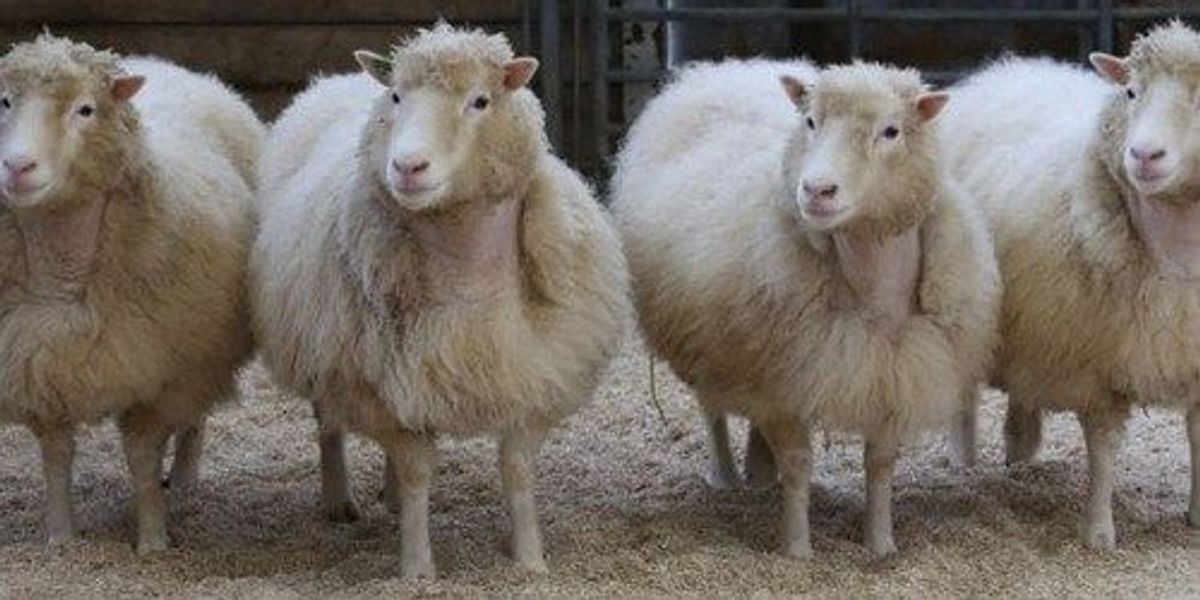
    So, at what point does it become a betrayal? When he couldn’t tell the Forgery from the Original? I mean, he only had 10 days to work with. Why would he even think his partner had been replaced? I mean, what if I told you, reader, that the person you are currently living with was actually a clone of the person you actually lived with? Isn’t it such a ridiculous concept to even entertain? Yet, cloning is a real thing in our world today. Obviously not to such a sophisticated level, but as early as 1996, the first animal to be cloned, Dolly the Sheep, was born. Who knows what kind of level of cloning human beings could achieve before the sun burns out, if it hasn’t been achieved already.

    How would you even react, if you found out your partner had an exact copy of themselves? Would you feel the same way about their copy as you do them? Keep in mind, they would react in exactly the same way, share the same goals, suffer the same trauma, remember exactly the same experiences they had with you…how would you tell the difference?

    Can you accept one while simply ignoring the other?

    If you had to, could you eliminate one to ensure the other’s survival?


  • The Resolve of the Mumen Rider

    The Resolve of the Mumen Rider

    by Ben Ayuko

    {image from the anime}


    One of the deepest, most underrated characters in Anime…in my opinion. I mean, i’m not exactly an anime junkie, but i’ve seen my fair share and this man is one of the characters that stood out. And why is that?

    Well, to understand this we have to think about the universe that he comes from, i.e. One Punch Man. One Punch Man is a story about the strongest man that ever existed. He was assaulted by monsters (as in, literal monsters) one day and the resultant epiphany he had led him to adopt an arduous training regimen aimed at making him stronger than any monster he would ever encounter. In his exuberant enthusiasm, he overdid it, and not only did he become stronger than any monster he would ever encounter, but he also only ever needed one punch to completely annihilate his opponent (hence the name). This became a problem.

    Now this is a world where monsters emerged from the underground to roam free in the streets with the people. They will see you. They will grab you. They will eat you. They are impossible to fight. It would be an incredibly hopeless ordeal to find yourself unfortunate enough to be caught in one’s eyeline.

    This is where the Hero Association comes in. A tax-funded government operation that deploys heroes in every town/ city/ suburb to protect the people from such occurrences. Naturally, these people all possess some sort of ability, i.e. telekinesis, superfast, superstrong, flight, invulnerability, etc., which enables them to fight on power with the monsters and even overpower them. To become a hero, you need to possess peak physical condition as well as display competent aptitude. Once testing is done, you will be sorted into S, A, B or C class hero, S-Class being the highest.

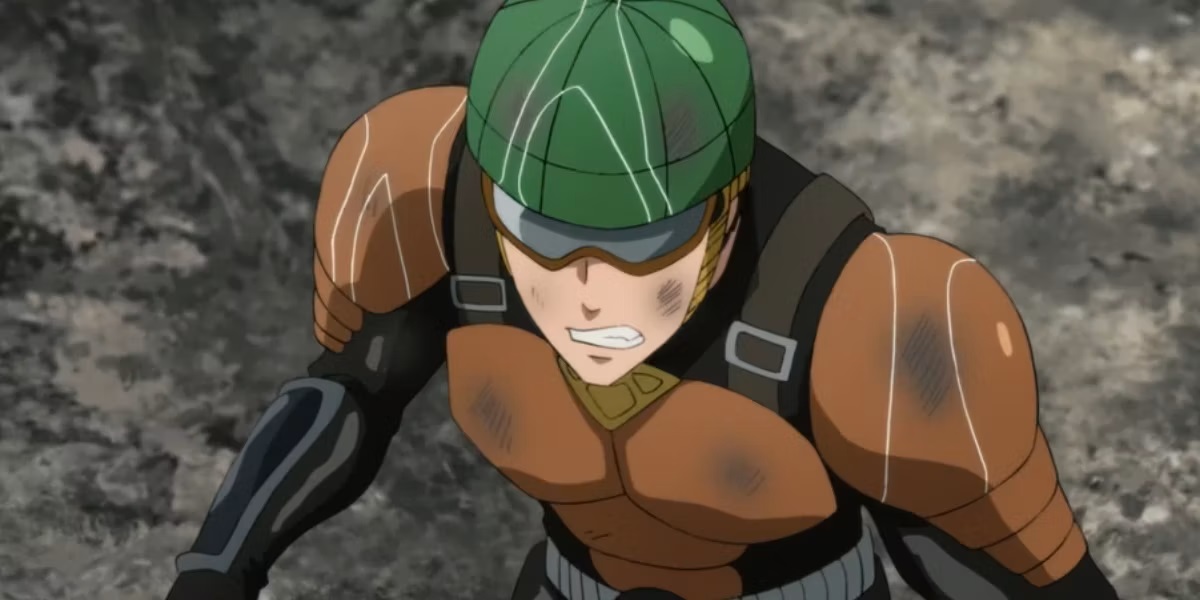
    Mumen Rider is ranked number 1 among the C-Class heroes. Try as he may, he just doesn’t seem to possess the strength required to graduate into the higher tiers. And while this does break his heart, it doesn’t break his spirit. In fact, he just might have the most unbreakable spirit among all the heroes. His power level is relatively low, meaning he can only be assigned to run of the mill gigs, e.g. help an old lady cross the road or “Help, my cat is stuck up a tree!“, that kind of thing. But he is always ready to run into action provided there is a civilian in need of help.

    Even when A/B-Class heroes would rather run away from the danger for fear of being decapitated, it is the Mumen Rider who always stands his ground. It can, honestly, be heartbreaking to watch at times. He would ride up to a monster on his Bicycle and unleash his ultimate, most devastating attack: The Justice Crash, where he would hop off his bike and use the momentum to launch it into his opponent. Because of its impenetrable skin, the monster would barely feel the tyres and pedals scratch at its skin. Feeling around the impact area as if trying to determine whether something had actually brushed it, or it was just imagining things. Only to wheel around and see Mumen Rider charging at it at full speed. It would swat him away like an annoying little pest and you would watch as he rag-dolled over to the side having broken a few bones. Just as it was turning away to continue spreading terror, Mumen Rider hops back to his feet and beelines toward it again. He would surely die from a second blow.

    But, for some reason, it doesn’t seem to register. Or at least, it does register but he chooses to ignore it. How can one ignore survival instinct? Even the other heroes ran away. And they were stronger than he is. But that doesn’t seem to matter in the slightest. Mumen Rider’s resolve is unshakable. Because, in his words, being a hero isn’t about winning or losing, it’s about facing down the opponent, “Right Here, Right Now“. This is, by no means, the ideal way to live. I would advise anybody to run in the opposite direction of where death dwells. But it is admirable. To have such control over your own emotions that you can elect to stand your ground knowing only unimaginable agony awaits. And to do it by choice as well.

    I don’t know, it seemed as though there was a lesson to be learned in there somewhere.

    Anyway, if you looking to get into anime, try One Punch Man. It’s worth the watch.


  • The Great Millet Quest: Fostering Innovation, Nutrition, and Employment Opportunities

    The Great Millet Quest: Fostering Innovation, Nutrition, and Employment Opportunities

    By Joe Aura

    contact info: aurajoe6@gmail.com

    {image by Getty Images}


    In Kenya, the current conversation is dominated by discussions on the Finance Bill and its underlying implications on unemployment and agriculture. Recent protests highlight the frustration in economic instability among the youth, exacerbated by job scarcity, low incomes, and high taxes. Amidst this backdrop, initiatives like Unilever’s Great Millet Quest present opportunities for addressing these challenges by engaging young minds in innovative, millet-based projects that promote sustainable agriculture and job creation.

    The Great Millet Quest, organized by Unilever in collaboration with Farm to Market Alliance (FtMA) and the University of Nairobi, offers innovative solutions to Kenya’s pressing issues of youth unemployment and sustainable agriculture. This article explores how the competition aligns with the current conversation around the Finance Bill and its underlying issues of unemployment and agriculture.

    The Current Conversation on Finance Bill, Unemployment, and Agriculture

    Recent protests in Kenya have shed light on the state of unemployment, job scarcity, low incomes, and high taxes. High unemployment rates and job scarcity can lead to frustration and economic instability among young people, including Gen Z. When job opportunities are limited, especially for youth, it can exacerbate feelings of hopelessness and dissatisfaction. Protests may emerge as a way for young people to express their grievances and demand better employment prospects.

    To put this into context- during its 43rd graduation ceremony in November 2020, Daystar University awarded diplomas and conferred degrees to 934 undergraduates and postgraduate students. Nairobi boasts 25 officially recognized universities, each contributing to Kenya’s vibrant higher education landscape. Moreover, Kenya is home to 63 officially recognized universities and colleges. With these statistics we can do the math of just how many students graduate in a year. But one thing we as a country have struggled with is how to fix these young, fresh and brilliant minds into a Jon market that is already overflowing with jobless youth.

    Low wages and income inequality are significant concerns globally. Young people often face precarious employment, temporary contracts, and low-paying jobs. The struggle to make ends meet can contribute to social discontent and motivate protest participation. Tax policies can impact disposable income. If taxes are disproportionately high, especially for low-income earners, it can exacerbate financial strain. In some cases, perceived unfairness in tax distribution can fuel social unrest.

    The Great Millet Quest: A Beacon of Opportunity

    Against this backdrop, the Great Millet Quest stands out as a commendable initiative that actively engages university students to develop innovative millet-based products. This initiative not only promotes sustainable agriculture but also offers a pathway to economic empowerment for the youth. The initiative can be seen as a successful example of addressing youth unemployment by engaging university students to develop innovative millet-based products.

    University of Nairobi’s Team Nexus emerged as the winner, highlighting their product: Milcracks. These healthy, probiotic-infused crackers made of millet and essential seeds can be served as a standalone snack or breakfast. Milcracks aim to combat micronutrient deficiencies and secured the top prize of Kshs. 500,000/=. The first runners-up, Team Kalmi, developed a precooked, ready-to-eat puffed millet product, millet-meal, earning them Kshs. 250,000/=, while the second runners-up, Team SoyMill, created Soy Mill Noodles and were awarded Kshs. 100,000/=

    While sharing a heartfelt and uplifting moment with one of the competitors, The Master of Crestwood Marketing and Communication Chairman, Mr. David Osiany, highlighted that all teams were winners due to their innovative successes.

    Youth Engagement and Creativity

    The competition actively engaged young minds by challenging university students to develop innovative millet-based products. Encouraging creativity and entrepreneurship among students can lead to job creation and economic empowerment. Programs like Unilever’s Great Millet Quest empower the youth to shape a healthier, more resilient future. As a Beacon of Sustainability, millet’s adaptability, rich nutritional content, and minimal resource requirements position it as a valuable crop for smallholder farmers.

    Unilever CEO Luck Ochieng on LinkedIn said, “Calling All Youth to Embrace Millet Farming for a Sustainable Future! 🌾 The United Nations declared 2023 the Year of Millet, highlighting its multiple benefits. Programs like Unilever’s Great Millet Quest seek to empower the youth to shape a healthier, more resilient future.

    “…Youth involvement in innovation is crucial for a sustainable future, and this initiative empowers them to protect and shape it,” said Dexter Adeola, Africa Platform Lead.

    Promoting Climate-Resilient Crops

    At its 75th session in March 2021, The United Nations General Assembly declared 2023 the International Year of Millets (IYM 2023) with the Food and Agriculture Organization of the United Nations (FAO) as the lead agency. This is due to its drought resistant properties and nutritional value amidst the devastating change in climate.

    Millet, a drought-resistant grain, is ideal for smallholder farmers facing climate challenges. The Great Millet Quest promotes sustainable agriculture and contributes to national food security. By focusing on millet, the competition aligns with broader goals of environmental sustainability and climate resilience.

    Millet’s environmental benefits are well-documented. Its ability to thrive in arid conditions makes it an ideal crop for regions facing water scarcity. Studies have shown that millet requires less water than other major cereals, reducing the strain on water resources and promoting sustainable farming practices.

    Nutrition and Health Impact

    Milcracks, the winning product, addresses micronutrient deficiencies through healthy, millet-based snacks. Such innovations can improve overall health and well-being, demonstrating the multifaceted benefits of promoting millet.

    Millet-based products can significantly impact nutrition and health. Millet is rich in essential nutrients, including iron, calcium, and protein. It is also high in antioxidants and dietary fiber, contributing to overall health. By incorporating millet into their diets, consumers can address micronutrient deficiencies and improve their well-being.

    Changing the food ecosystem requires creating demand for sustainable ingredients like millet. This will require exciting marketing, collaboration, and tenacity. Unilever’s Great Millet Quest project embodies this effort. Partnering with FtMA, we have trained over 800 farmers in regenerative agriculture, aligning with Unilever’s Net Zero pathway…” said Dexter Adeola, Africa Platform Lead, Nutrition to further underscore the importance of millet in promoting health and sustainability.

    Economic Opportunities

    The tangible rewards, such as the top prize of Kshs. 500,000/= awarded to Team Nexus, demonstrate the potential for economic opportunities. Encouraging entrepreneurship and supporting millet-based ventures can create employment opportunities and foster inclusive growth.

    Millet-based ventures have the potential to create numerous economic opportunities. By supporting innovative projects like Milcracks, we can foster entrepreneurship and stimulate economic growth. Team Nexus, for example, not only won a significant cash prize but also gained the opportunity to collaborate with Unilever and other organizations to bring their product to market. Such initiatives can transform the food landscape in Kenya and provide sustainable employment opportunities.

    Team Nexus shared their excitement and passion for the project stating, “Developing our millet crackers fortified with probiotics has been an incredible journey. We’re not just excited about this win, we’re passionate about the opportunity it presents to innovate and make a real difference in Kenya’s food landscape. We’re eager to collaborate with Unilever and the wider organization to bring our millet crackers to market. We believe this product has the potential to revolutionize snacking in Kenya, offering a nutritious and sustainable option for everyone,” Team Nexus said after their win.

    Alignment with Sustainable Development Goals (SDGs)

    The Great Millet Quest aligns with SDG Goal 2 (Zero Hunger) by promoting nutritious food sources and SDG Goal 8 (Decent Work and Economic Growth) by fostering entrepreneurship and job creation.

    The Year of Millet aligns with “Zero Hunger” by promoting nutritious food sources. It also contributes indirectly to “Decent Work and Economic Growth” by fostering entrepreneurship. On sustainability, Unilever CEO Luck Ochieng said, “Millet is a nutritional powerhouse, resilient to adverse climatic conditions, making it ideal for smallholder farmers. These student innovations demonstrate millet’s potential for creating a healthier, more sustainable future. We are committed to supporting these ideas, driving sustainable growth, and making a lasting impact on our communities and environment.

    President William Ruto’s Kenya Kwanza Regime

    Then Deputy President William Ruto’s Kenya Kwanza manifesto, anchored on the bottom-up economic model, prioritizes agriculture and sustainable development goals. The manifesto outlines six core pillars, one of them being Agriculture, aiming to allocate Ksh. 250 billion between 2023 and 2027 to transform farming, raise productivity, and reduce food imports. Another one that is quite relevant to job opportunities is “Micro, Small, and Medium Enterprise (MSME) Economy” which aims to Support small businesses and foster inclusive growth.

    Ruto’s vision emphasizes job creation, cost of living reduction, and foreign exchange balance improvement. His policies align with SDGs and aim to benefit the majority of Kenyans.

    However Kenyan sentiments toward President William Ruto’s regime have been mixed, with dissatisfaction stemming from several key issues. Ruto’s controversial tax reforms, which faced public opposition and led to violent mass protests resulting in 23 deaths, were rolled back amid widespread discontent (Al Jazeera, 2024). Economic challenges have persisted during his tenure, with the “hustler fund” failing to stimulate the economy and new taxes, including a doubled VAT on fuel, eroding citizens’ purchasing power (VOA, 2024). Additionally, Ruto’s tough-on-security stance and perceived insensitivity, especially following police actions during protests, have drawn significant criticism (Al Jazeera, 2024). Allegations of his involvement in electoral violence, despite his legitimacy in Western countries, have also fueled public discontent (Al Jazeera, 2024).

    Albeit it is important to note that opinions vary, and some may still support his leadership, reflecting a complex and divided national sentiment (BBC, 2024).

    Challenges and Solutions

    Millet-based products, such as flour, cereals, snacks, noodles, bread, porridges, pastries, cookies, pasta, and flakes, offer diverse and nutritious options that cater to various culinary preferences. These products are known for their unique nutty flavor and health benefits, making them a valuable addition to sustainable diets.

    Scaling up millet production presents several challenges that need to be addressed for sustainable growth. Key obstacles include low productivity, supply chain disruptions, shelf-life concerns, lack of standards and grades, technical know-how gaps, awareness and branding issues, market access difficulties, water stress, high input costs, and the need for policy support.

    Addressing these challenges involves improving agronomic practices, ensuring efficient supply chain management, researching preservation techniques, establishing quality standards, providing farmer training, launching awareness campaigns, creating market linkages, implementing efficient irrigation practices, offering affordable inputs and credit, and incentivizing millet cultivation through subsidies and favorable regulations. Overcoming these obstacles will contribute to the successful growth of millet production, benefiting both farmers and consumers.

  • Clash of the Titans

    Clash of the Titans

    by Ben Ayuko

    {image by Khel now}

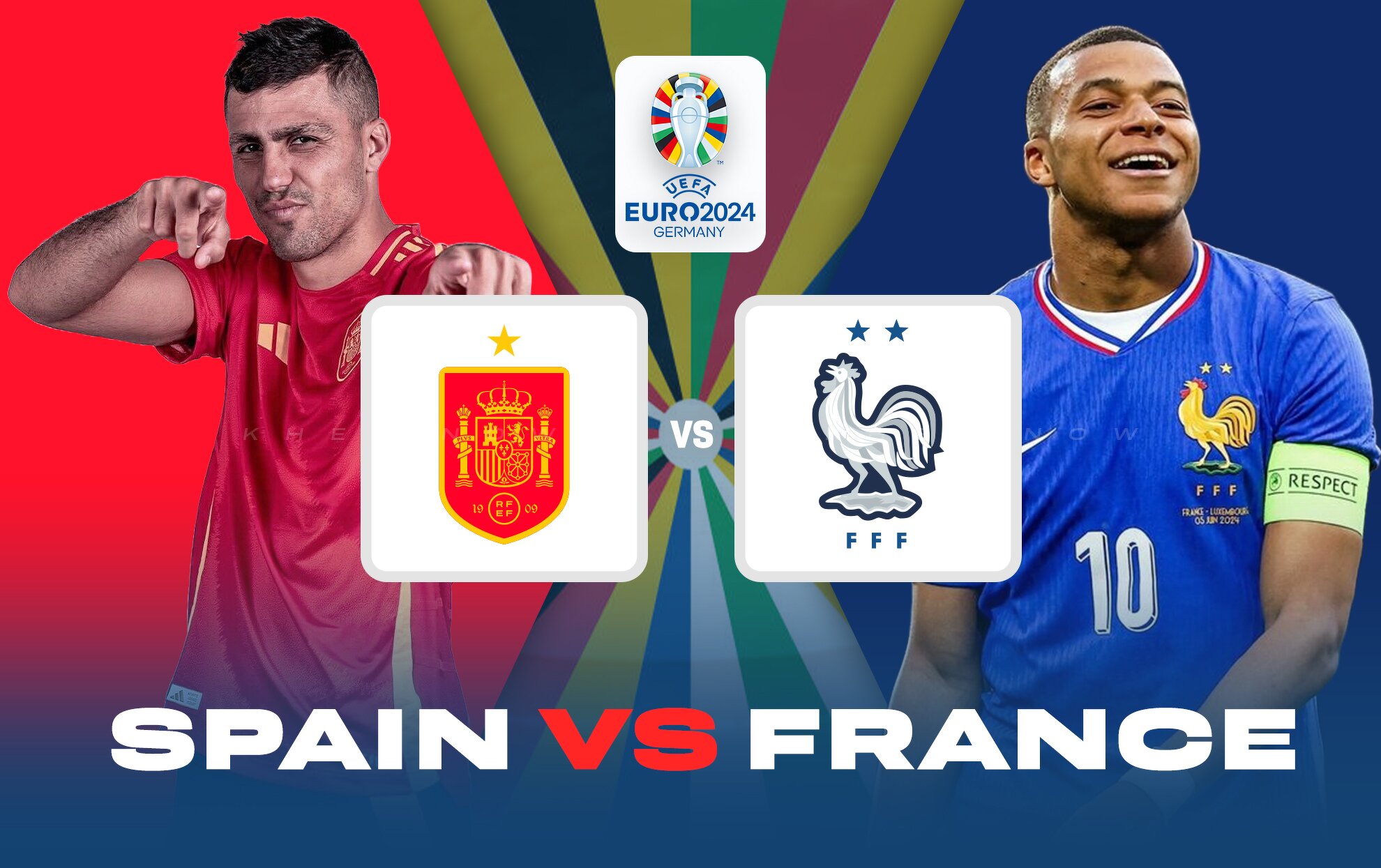
    Spain and France have been 2 of International Sports more successful sides in recent history

    Spain, who are in a bit of a resurgence after their period of dominance between 2008 to 2012, will be looking to make up for their last Euros outing, where they crashed out of the Semi-Finals on penalties to eventual champions Italy. They have definitely gone some way into making sure of it as they have, easily been the most efficient, if not outright best, team of the tournament thus far. Having conceded just 2 goals in 5 games so far, they are the only team to have won every single game they have played. Their last time out against host nation, Germany, was one of the games of the tournament as they managed to weather the Berlin crowd and pinch the game in the last minute of extra time. Young talents like Lamine Yamal and Nico Williams will be looking to cement their standing in world football as they push to make a name for themselves, while seasoned players like Rodri and captain Alvaro Morata will be looking to bring back European glory for their national side.

    Dani Carvajal, a key player in their run so far, will be suspended in this game after receiving a late red card in the quarter final against Germany. How costly this will prove to be remains to be seen, but this outcome definitely leaves the Spanish side weaker. And France has the players to take full advantage of it.

    Players like Ousmane Dembélé and Antoine Griezmann will be looking to prove their quality after falling off the map for a couple of years while Kolo Muani and Marcus Thuram will be battling to secure the centre forward position from legendary striker Olivier Giroud, who, at 37yrs of age, could very well be playing his last tournament for the national side. France’s all-time top scorer may very well have a part to play when linking up with French protege and now captain Kylian Mbappe. Mbappe, who has had an underwhelming tournament so far, may well pick his moment to strike at the hearts of the current favourites Spanish side. Their last outing versus Portugal ultimately ended up as a war of attrition as neither side really had it in them to take them, needing penalties to separate the 2 sides. France, obviously, emerged victorious over Ronaldo’s men and will probably be the happier side should it all come down to that again.

    Mbappe’s lamentations about not playing with Paul Pogba in the national team could spur a rise in the likes of N’golo Kante to step up and show that they can compete without the mercurial player. In the event, however, that it has a detrimental effect, he could stand to rue those words.

    Regardless of how it ends, it stands to be an intriguing clash between 2 of the tournament favourites.

  • Emi Martinez: Penalty King

    Emi Martinez: Penalty King

    by Ben Ayuko

    {image by Getty Images}

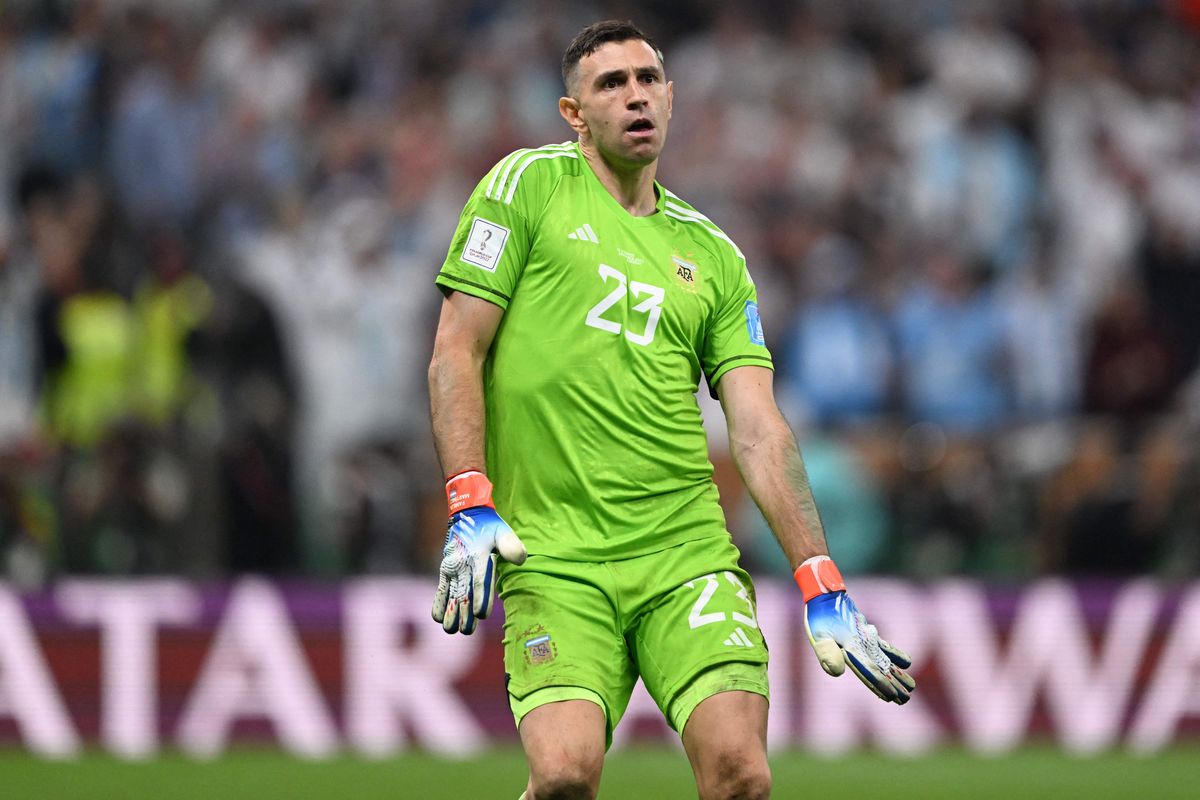
    Goalkeeper Emi Martinez saved 2 penalties in the Copa América quarter final shootout between Argentina and Ecuador to guarantee safe passage for Argentina through to the semi-finals. This wasn’t the first he has done this for Argentina as many will remember his heroics in the World Cup final that granted Argentina access to holy grail of the footballing world. Although he only saved on of the 4 penalties he faced, he guessed the right direction for them all. That is to say, the 2 that entered had to be expertly taken to beat him. One could easily conclude the one that missed the target was as a result of trying to be an expertly taken one.

    That wasn’t even his first shoot out of that tournament, as Argentina had squared up against the Netherlands in the quarter finals, needing a penalty shoot-out to determine the winner. He saved the first 2 penalties in that one to help Argentina through to the semi-finals.

    Not so long after, he was involved in the Conference League quarter final shootout, this time for club side Aston Villa as they played Lille. in France. Where he was now considered a villain for his antics at the World Cup. He was ever the same character, saving 2 penalties and helping his team advance through to the semi-finals. And now again vs Ecuador.

    Emi Martinez has slowly developed a reputation for being somewhat of a penalty expert, with his antics and dances having a double effect of energizing his own team/fans while demoralizing the opponent. in an interview with Ian Wright, he described his approach to penalty situations as, * “I Create Chaos…to make it difficult” This is very noticeable in the Copa América 2021. The stadium was empty during the shoot-out between Argentina and Colombia and because of this, it was very easy to hear just how much Martinez does to put off his opponent. Constantly moving on the goal line. Constantly shouting at the penalty kicker, trying to get in his head. And the big celebration he does after every kick almost to show just how much he is thriving in such a tense situation. In this scenario, he made 3 saves in the shoot-out to send Argentina through to the final where they would win the lot, his first taste of success in football.

    Now, obviously we have seen goalkeepers who completely shut down the occasion before, Portugal’s Diogo Costa a recent example (saving 3 penalties in the round of 16 of the European Championships 2024) and South Africa’s Ronwen Williams, saving a staggering 4 penalties in the Africa Cup of Nations 2024 quarter finals to help his country through to the next round. And as impressive as Williams and Costa were in their respective shoot outs, it’s the sheer volume and consistency of Emi Martinez on the grandest of stages that sets him apart from the rest.

    I mean, he is, as of yet, yet to lose a penalty shoot-out.


    * I CREATE CHAOS! Emi Martinez reveals his penalty secrets | Behind The Game ft. Oriana Sabatini (youtube.com)

  • Is It Not Too Late…

    Is It Not Too Late…

    by Ben Ayuko

    {image by blakeArt}


    Is it not too late, for me to dream

    To dust off my past, to forgive my sins

    To set on a course, a new one for me

    That I’ve always wanted, always believed


    Is it not too late, for me to rise

    To the occasion, with new open eyes

    Take-off this facade, this funny disguise

    And out of the shadows, into the night


    Is it not too late, to howl at the moon

    So rugged and primal, my pores they will ooze

    Glorious purpose, a new kind of hue

    Surrounding this man, oh what would he do


    Is it not too late, to show off the shine

    Like brilliant lightning bouncing divine

    Inside of a bottle, I pour it outside

    Reveal all the content, no more can hide


    Is it not too late, to retrace my steps

    Back to the beginning, to what i have left

    In pieces and tatters and just recollect

    Every single detail and just start again


    Is it not too late, for Jesus to forgive me

    All of the sins that he carries upon he

    All of the lacerations that I’m causing

    All of the blood that he’s bleeding ’cause of me


    Is it not too late, to rise from the ashes

    Hover Over Olympus like a savage

    Like a Titan ready-to take on the masses

    Like a bomb ticking away till the last breath


    Is it not too late, to be more than I am

    To become a being, worthy of a grand

    Reception in Valhalla when I Land

    To get back on-the-path, originally planned


  • Honoring the Legacy of Mutegi Njau: A Pillar of Kenyan Journalism

    Honoring the Legacy of Mutegi Njau: A Pillar of Kenyan Journalism

    By Joe Aura, aurajoe6@gmail.com

    In a career that began in 1979 and spanned decades, Mutegi Njau emerged as one of Kenya’s most respected and influential journalists. Known for his keen attention to detail and mastery of the trade, Mutegi’s journey in media blossomed during the era of Kenya’s founding president, Mzee Jomo Kenyatta, and continued to shine brightly through the subsequent decades of President Moi’s regime and beyond. His insightful contributions to the media, particularly through his popular morning show “Cheche” on Royal Media Services, left an indelible mark on the industry. (https://youtu.be/a3yAzxsXtqE?si=WdBAah8x4dGxKaP4)

    Former co-host David Makali shared his sentiments on social media, saying, “Devastated by the passing on of senior colleague, co-host, and panelist Mutegi Njau. May your toil on this earth be rewarded and your memory last forever among those you mentored and gifted, or who savoured your goodness.”

    Key Contributions and Impact

    Mutegi was more than just a journalist; he was a mentor to many, shaping the careers of countless journalists who followed in his footsteps. His family fondly described him as the cornerstone of their home and a cherished figure within the community. His presence as a resident analyst on Citizen TV’s ‘Cheche’ power breakfast show made him a household name, where his commentary was both respected and anticipated. His career was marked by several significant contributions:

    1. Mentorship and Training: Mutegi’s mentorship influenced many journalists, helping to shape Kenya’s media landscape. His rigorous training and guidance left a lasting legacy on the standards of journalism in Kenya. Head of Deputy Presidential Communication Service Njeri Rugene, in mourning his loss, reflected on his profound impact: “Mutegi Njau made an indelible mark in Kenya’s journalism. He trained many of us. He has left a rich legacy. It is time to rest. Rest in Peace Senior.”
    2. Insightful Reporting: As highlighted in the video featuring his discussion on World Press Freedom Day , Mutegi consistently advocated for press freedom and ethical journalism. (https://youtu.be/Nw7285XT-4c?si=VCdZauSUN3N2ZQbj – World Press Freedom Day With Journalist Mutegi Njau)
    3. Memorable Interviews and Coverage: His recount of memorable moments with President Moi showcased his deep understanding and nuanced reporting of Kenyan politics and history. This ability to capture the essence of significant political figures and events was unparalleled. (https://youtu.be/_O4XYP0Pud4?si=r9cmGsAH1Ym6HDSu – J.K Live Citizen, Veteran Journalist Recount Memorable moments with Moi (part 1) with the great story teller Yususf Wachira, Force to be reckoned with – Lee Njiru and Mutegi Njau a great Journalist.)
    4. Tackling Tough Issues: In various discussions, including those on media and hate speech , Mutegi did not shy away from challenging topics, emphasizing the role of media in fostering national unity and accountability.

    (https://www.youtube.com/live/gE9nY8iSipg?si=igZCo-uYvQo93x8A – The Agenda with Mutegi Njau

    https://youtu.be/zJm4Rz-VWSw?si=Tf_zhjyZ7TfY8U1x – The Judiciary Open Wounds

    https://youtu.be/bkfFVJMKB5w?si=j9zy0Kj8tEmHtqQ0 – He speaks om media and hate speech on Media Focus On Africa.)

    A Tribute to His Legacy

    As Kenya witnesses a rise in protests and journalists facing increased risks on the field, Mutegi’s legacy becomes even more poignant. His commitment to truth and ethical reporting provides a guiding light for today’s journalists. The recent mishandling of journalists during protests underscores the importance of Mutegi’s principles—diligence, integrity, and bravery in reporting.

    Current journalists and students of journalism can draw vital lessons from Mutegi’s career, especially in the wake of covering protests. His ability to maintain composure, seek truth, and report with accuracy amidst turmoil is a testament to his professional prowess. Upcoming journalists can learn the importance of mentorship, ethical standards, and the crucial role of media in democratic societies.

    Rest in peace, Mutegi Njau. Your legacy lives on in the hearts and minds of those you touched and in the fabric of Kenyan journalism.

  • EVALUATING THE BUDGET ALLOCATIONS FOR THE FIRST LADY AND DEPUTY PRESIDENT’S WIFE.

    EVALUATING THE BUDGET ALLOCATIONS FOR THE FIRST LADY AND DEPUTY PRESIDENT’S WIFE.

    By: Vivian Bundi

    The budget allocations for the offices of the President’s wife and the Deputy President’s wife have always been a point of interest and debate. The recent increases and decreases in these budgets reflect shifting priorities and economic realities. In my opinion, the significant budget allocated to these offices is not justified, especially compared to the previous years. This stance is based on the need for fiscal responsibility, prioritization of essential services, and the importance of maintaining transparency in government spending.

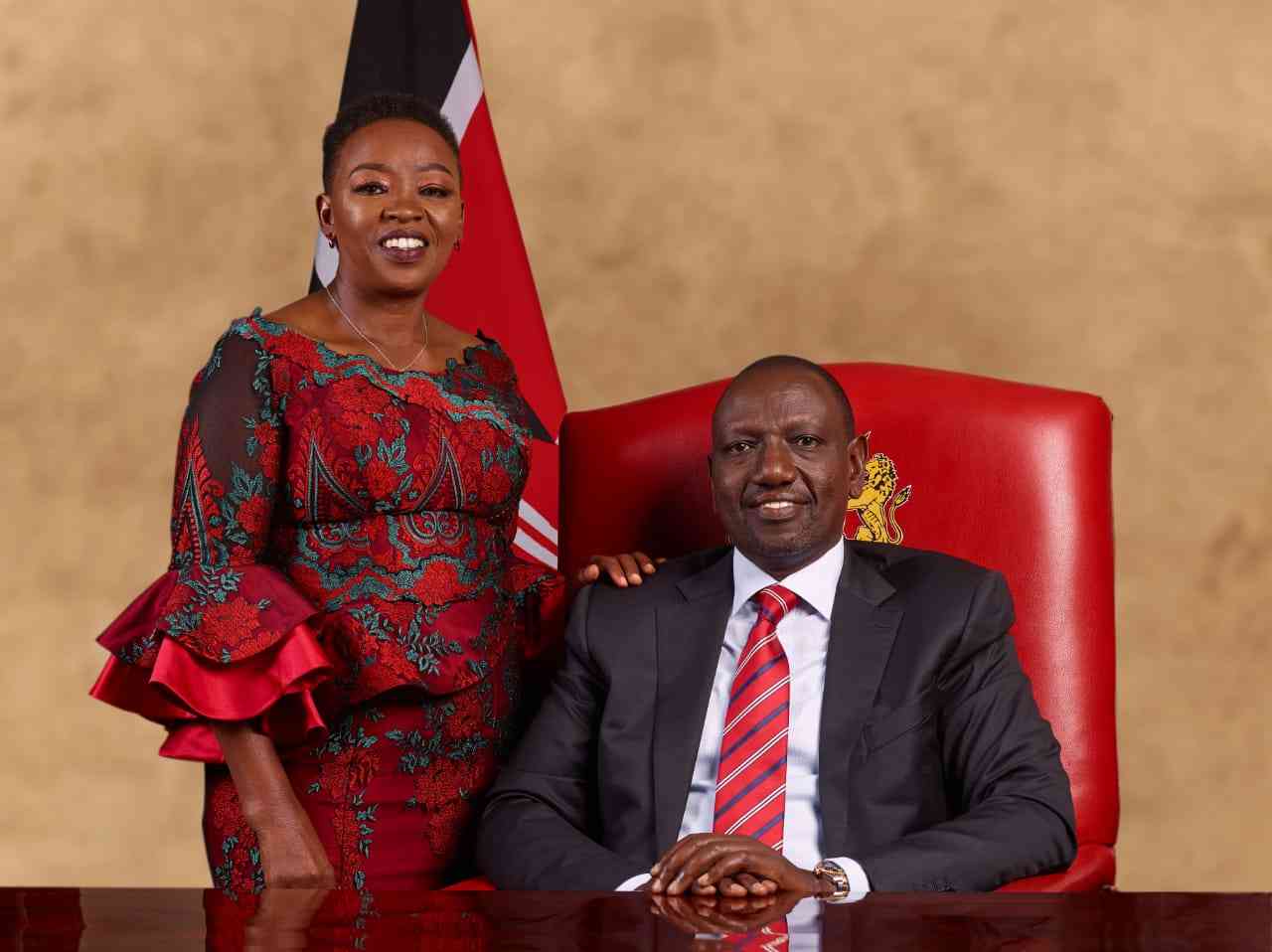
    The recent budget allocation for First Lady Rachel Ruto’s office has increased the original amount by 17.3 out of every 100 units, reaching Sh696.6 million (openbudget.or.ke)  for the new financial year starting July. This is a notable rise from the Sh593.9 million allocated in the current financial year. A substantial portion of this increase is directed towards the payment of salaries. While it is important to support the initiatives undertaken by the First Lady, such as environmental and climate action, financial inclusion, and women empowerment, the significant increase raises concerns about fiscal responsibility. The government must ensure that such budget increases are justified by tangible outcomes and not merely by expanding administrative costs.

    By: T-One Tv Kenya

    In contrast, the budget for the spouse of Deputy President Rigathi Gachagua has decreased from Sh717.6 million to Sh557.5 million ( https://openbudget.or.ke/search/First+Lady//). This reduction follows a substantial increase through a mini-budget tabled in the National Assembly in October of the previous year. Despite this reduction, the combined budget for the First Lady and the Deputy President’s wife will total Sh1.2 billion in the new fiscal year, slightly down from Sh1.3 billion this year. This allocation needs to be scrutinized in light of other pressing national priorities such as healthcare, education, and infrastructure development. The government should consider whether these funds could be better utilized in areas that have a more direct impact on the well-being of the general population.

    Comparing these allocations with the budgets during the Kenyatta administration provides further insights. In the year starting 2013, the combined budget for the offices of the First Lady and the Deputy President’s wife was Sh187.3 million. By the end of the Kenyatta administration, this budget had grown to Sh723.6 million, reflecting an increase of 286 percent. Specifically, the budget for Mrs. Kenyatta’s office increased from Sh114.4 million to Sh426.1 million, while that of the Deputy President’s spouse increased from Sh72.9 million to Sh297 million.

    This dramatic rise in budget allocations was primarily directed towards recurrent expenditures such as salaries, travel expenses, and hospitality. Despite calls for cuts in non-essential spending during the Kenyatta administration, the budgets for these offices continued to grow. This trend raises questions about the prioritization of spending and the necessity of such substantial allocations for non-essential functions.

    The need for transparency in government spending is paramount. The increased allocation to the First Lady’s office under Rachel Ruto and the significant budget for the Deputy President’s wife must be justified with clear, measurable outcomes. Mrs. Ruto’s initiatives, including the Women Economic Empowerment (WEE) program aiming to mentor and train 90,000 women in financial inclusion by July 2025, are commendable. Similarly, Mrs. Rigathi’s focus on empowering the boy child and her targets of identifying and screening 12,000 boys for drugs and substance abuse are important. However, the effectiveness and efficiency of these programs must be transparently evaluated to justify the substantial budgets allocated.

    The current economic context cannot be ignored when discussing these budget allocations. Government revenue shortfalls and reduced economic activity necessitate careful consideration of all expenditures. In the first nine months of the current financial year, government revenue fell short by Sh97.7 billion, forcing the Treasury to cut budgeted funds for development projects by nearly Sh34.37 billion. Given this economic backdrop, it is imperative to question whether the significant budgets allocated to the offices of the First Lady and the Deputy President’s wife are the best use of limited resources.

    In conclusion, while the offices of the First Lady and the Deputy President’s wife undertake important initiatives, the substantial budget allocations they receive need rigorous scrutiny. The comparison with previous years highlights a trend of increasing budgets that may not be fully justified by the outcomes. In a time of economic challenges, fiscal responsibility, prioritization of essential services, and transparency in spending are more important than ever. The government must ensure that every shilling spent contributes to the greater good of the nation, rather than expanding administrative budgets without clear, tangible benefits.

    viviankbundi@gmail.com