Blog

  • From Transparency to Accountability: Strengthening Health Systems and Service Delivery     

    From Transparency to Accountability: Strengthening Health Systems and Service Delivery    

     By: Zainab Faraj 

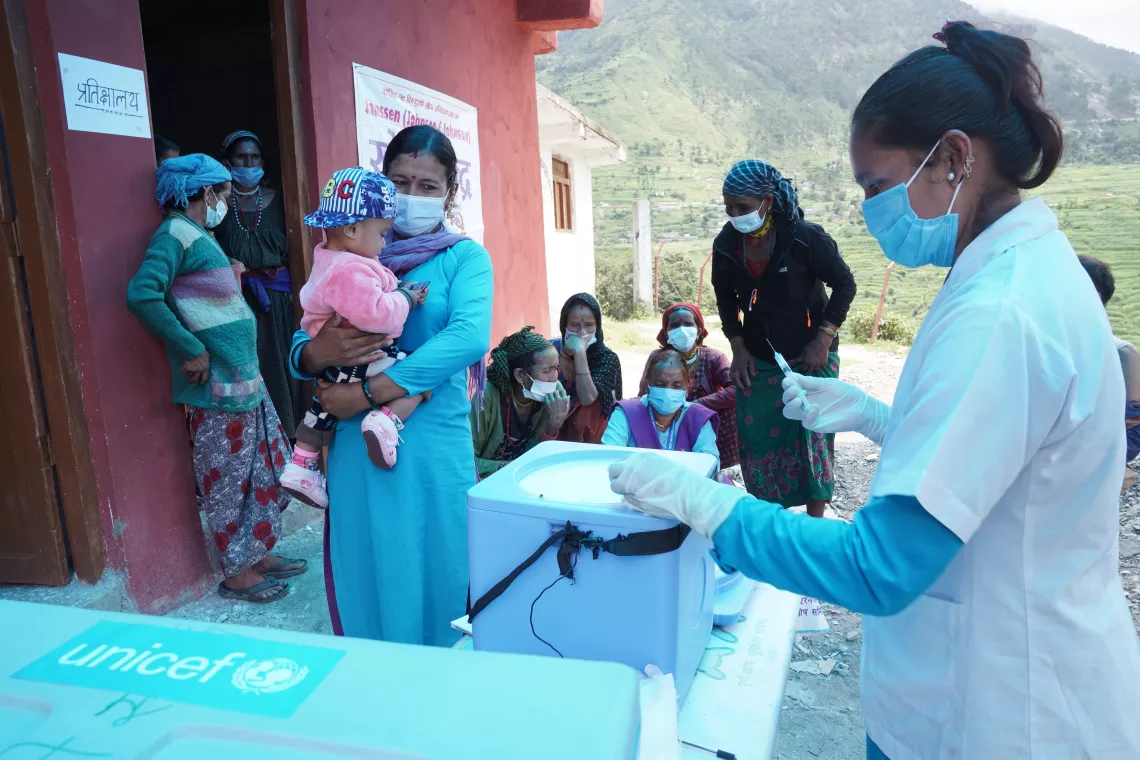
    A robust healthcare system does not solely rely on well-designed structures but also on sustainable financial systems that ensure adequate resources are equitably utilized. Universal Health Care (UHC) hinges on the principle that all individuals should access quality health services without enduring financial hardship. However, achieving this ideal remains elusive, with the World Health Organization (WHO) estimating that nearly one billion people globally lack access to essential healthcare services. 


    In Kenya, where access to healthcare is enshrined as a constitutional right, millions still face significant barriers to affordable treatment in both public and private facilities. This includes individuals with  Social Health Authority (SHA). These barriers perpetuate social inequalities, hinder economic growth, and undermine societal progress. 


    Despite the Kenyan government securing significant loans from institutions like the World Bank and the International Monetary Fund (IMF), the tangible benefits to citizens remain unclear. How has this influx of funds improved the healthcare system? A glaring disconnect exists between financial investment and meaningful outcomes. Citizens increasingly rely on fundraising initiatives to cover treatment costs. While urban populations may navigate social media and networks to mobilize support, rural communities remain largely excluded due to lack of access to technology, knowledge, or government connections. 


    This trend highlights a systemic failure to address healthcare access equitably across the country. It raises critical questions about the effectiveness of governance, resource allocation, and implementation. Why can’t these funds be utilized to build a resilient health system that prioritizes equitable access to affordable, quality care? 


    Politics remains a central driver of change in Kenya. Every year, nearly one million Kenyans fall below the poverty line due to healthcare-related expenses. Expanding healthcare access can alleviate this economic burden. However, this cannot happen without meaningful citizen engagement and social accountability. 


    Citizen participation is critical in holding governments accountable and bridging the gap between public demand and government action. Yet, many Kenyans remain disempowered, unable to trigger recognition or action from their leaders. The lack of effective mechanisms for citizen engagement undermines the potential for transformative change in healthcare. 


    Empowering citizens to demand action and fostering accountability at all levels of government are crucial. Social accountability involves more than transparency—it requires the government to actively respond to public needs. While transparency provides the data and tools to assess government performance, it is accountability that ensures action and results. 


    Moving from transparency to accountability necessitates a coordinated approach. Transparency alone—whether in government expenditure, public health statistics, or policy announcements—does not ensure outcomes. Accountability requires the government to act on the commitments it makes. 


    To achieve this, Kenya must adopt measures that use Data to Drive Accountability: Leverage data to monitor national commitments and hold leaders accountable for meeting them. Two adapt to Local Contexts,Tailor health interventions to address the unique cultural values, social norms, and governance challenges of each county and Promote Inclusive Engagement create platforms for citizen participation, especially for marginalized communities, to ensure their voices are heard. 

    Foster Equity in Healthcare Access prioritizes policies that reduce disparities between rural and urban populations in accessing healthcare. Strengthen Political Accountability ensures that political leaders deliver on promises to improve healthcare systems and services. 

    Ultimately, achieving universal healthcare in Kenya will require shifting from rhetoric to actionable accountability. Empowered citizens, transparent governance, and responsive leadership must work in tandem to close the gap between aspiration and reality. Only then can Kenya build a healthcare system that serves all its people equitably and sustainably. 

      

  • RISING ABOVE: THE KENYAN GOSPEL RENAISSANCE AND ITS GLOBAL IMPACT

    RISING ABOVE: THE KENYAN GOSPEL RENAISSANCE AND ITS GLOBAL IMPACT

    By Joel Mwendwa  

    For years, Kenya has lagged behind in the expertise of music especially gospel music production that can compete and contend with the rest of the global music market. “We put out music but nobody listens because Kenyans consume foreigners’ product more than their own” they said. Many described it as though a dark cloud hung over the Kenyan Gospel music industry, but the narrative seems to be changing. 

    With the light starting to shine on Kenyan artists, there has been a surge of music projects and releases in the past three years. Not just product but international standard product that is gaining global recognition. Seems like the dark cloud is rising after all. With the rise of artists such as Kestin Mbogo, Mike Manoa, Njoki Munyi, Jaque Gachiri, just to name a few, global attention has begun to shift towards Kenya and her gospel industry.  

    You may ask, what could gospel artists in Kenya be doing differently now that they did not do before that is working for them? Well, I believe and according to my sources, the standard has generally been raised. The standard meaning, the work ethic and effort that goes into birthing a product that can be globally consumed has increased. What does that really look like?  

    Before, artists did not believe in investing money into their product or rather, there was no money to invest into their craft in terms of paying for services and acquisition of equipment (lighting, screens, backline which consists of all the instruments that are used in a live performance etc.) They did the bare minimum which sometimes meant going to a producer who had a studio in one of the rooms of their house who would bear the burden that should be shared at least among 10 people. The producer would be the one to play the keyboard, add the drums, play the guitar, maybe get one or two people to add background vocals and still be the one to do the post production of the songs, all in the name of budgeting and ensuring that they take the lion’s share of what the artist decided to pay.  

    Now that light has come and artists have been loosed from the shackles which so beheld them, projects now have teams that consist upwards of 20 people who could be volunteers or paid depending on their conviction or purpose in the team. “Doing a project now in form of a live recording to produce at least 6 songs requires a budget upwards of a million Kenyan shillings,” Minister PK said, “even though most of the times we do not have the money at hand, through wisdom we strategize partnerships and sponsorships that see the project through.”          Reverend Julian Kyula, Senior Pastor of RUACH Assemblies has been a great champion of the Kenyan Gospel ministers. He encourages fellow preachers to support their gospel ministers terming it as a season of collaboration between the Priests and the Levites/ Psalmists. As a show of support, he sponsored a Live Recording for his church worship team, R- Worship who have now become trendsetters in the industry from their music releases which are earning global awards for their work. 

    This has been a turning point for the gospel industry as many now strive to do live recordings with the aim of glorifying God in excellence as well as having their product consumed internationally. 

    The fruit of all this labor is that now the ‘Kenyan Sound’ is being consumed internationally with songs like Natamani nikuone by Kestin Mbogo being loved and adopted by Tanzania, It is Finished by Njoki Munyi becoming a Nigerian special among many.  

    What a joy it is to be a witness as history is rewritten, seeing visions that some dreamt of long before come to life. The ‘Kenyan Sound’ is rising! 

  • The Silent Struggle: When Our Digital Lifelines Go Quiet 

    The Silent Struggle: When Our Digital Lifelines Go Quiet 

    By Tehila Namai 

    Byline: In a world built on digital connection, a phone’s silence can be more unsettling than peace for a student. 

    That sudden, dreaded silence. Not the peace of a quiet library, but the chilling absence of a notification from your phone after an M-Pesa transfer. Or maybe, the university portal email you never saw. In a world where our lives revolve around digital pings and alerts, the unexpected disappearance of these vital communications can hit even the calmest student hard. For us, staying connected isn’t just nice to have; it’s the hidden thread holding our academic, financial, and social lives together. 

    Think about a typical university student here in Kenya. Our days are a constant juggle: lectures, assignments, part-time jobs, and trying to keep a social life. Right at the heart of all this are services like M-Pesa and solid network coverage. M-Pesa isn’t just for sending money; it’s how we pay for matatus, grab a quick meal at the local kibanda, send cash back home, or pool money for group projects. That SMS confirming a transaction isn’t just a receipt; it’s real peace of mind, proof that money went through, and a crucial record in a jam-packed day. When those messages suddenly vanish, even if the transaction itself worked, it throws everything into doubt: Did it actually go through? Am I stuck here without fare? Is my money safe? 

    Beyond our finances, our entire academic world runs on digital channels. Lecture notes fly around on WhatsApp, assignment deadlines hit via SMS or the university’s online system, and group work happens in virtual spaces. Missing a key message, whether it’s a network hiccup or our messaging apps secretly filtering things out (which is a real pain for Android users), can have serious consequences. We could miss a deadline, make the wrong call on a project, or simply fall behind. All these small, digital snags add up, piling on stress, wasting precious time, and sometimes even costing us money. 

    The recent issues with M-Pesa SMS delivery, especially for certain phone types or those using different messaging apps, expose a real weak spot in our daily lives. It means we have to constantly double-check balances and manually confirm transactions, adding an extra layer of worry to already busy schedules. While there are fixes, like digging through spam folders or switching back to basic apps, it feels like the burden shouldn’t just be on us, the users, to sort out what are, at their core, essential service problems. 

    For service providers and our universities, this isn’t just a minor technical issue; it’s a clear sign that they need to understand how fundamental digital communication is to our well-being and our education. Investing in strong, reliable systems and making sure they tell us  


    upfront if there are any problems  giving us clear instructions and easy ways to get help  isn’t a luxury anymore. It’s absolutely necessary.  

    Ultimately, the silent phone isn’t just an inconvenience; it’s a glaring reminder of how much we depend on these digital connections that simply have to work. For students navigating the whirlwind of modern life, always being able to access vital digital services isn’t just about making things easy; it’s about creating a space where we can truly succeed, without the added weight of digital uncertainty. Our futures, in so many ways, rest on these invisible, yet incredibly important, connections. 


  • Grief to Action: Fighting Femicide in Kenya and the Power of Online Engagement with #Usikimye     

    Grief to Action: Fighting Femicide in Kenya and the Power of Online Engagement with #Usikimye    

    By Wambui Teresa Okudo  

    A dark, persistent reality, Femicide. We lose a mother, sister or student to violence. The purpose of attacking or killing a woman because of their gender is an issue that demands immediate attention and a call to action. Over 500 women between 2016 and 2025 have been murdered across the country, not by a foe but by a relative or partner. The lives cut short and stories that follow paint a grim picture of the cost of this violence.  


    Femicide materialises in different forms rooted form systematic gender inequality or cultural norms. Numerous cases tend to stem from partner violence where women face threats or dominance, economic hardships or imbalance, where women are more dependent on their partner, which can pose a window. Husbands, boyfriends, and relatives are known to their victims as perpetrators (Standard, 2025). Societal attitudes normalise blaming the victim. Public debate often shifts focus from the offender to the victims, their presence, location, or attire (Nation Media Group, 2024). 


    However, individual stories, media reports and honest work from support groups help paint a picture. Public outrage comes from high and low profile cases, which serve as a reminder of the threats women face. These situations underscore the need for a shift in societal attitudes and norms to enhance law enforcement and strengthen legal frameworks. 

    The collective calls to end femicide have echoed all over Kenya!! Image by FeministsInKenya/#TotalShutDownKE 


    Activists chanted using slogans like #StopKillingUs, #EndFemicideKE. On January 27, 2024, more than 20,000 Kenyans marched in Nairobi, Kisumu and Nakuru demanding justice (ForumCiv, 2024). 

    Kenya Femicide Protest: Image by BBC News 


    Change Leaders and Anti Femicide Movement Image by Nguvu Collective 


    The Power of Online and community engagement has emerged for change. An example is Usikimye, which means “Don’t be silent” in Swahili. The #Usikimye movement on Instagram is a platform for Kenyans to share experiences, demand accountability and raise awareness on anyone facing violence. The hashtag is used by allies and across social media to capture attention, action and get justice. 

    Image/Logo by #Usikimye 

    It is a platform where allies can engage with survivors who share their stories and find solidarity. It serves as a space for sharing updated information and personal stories related to GBV or femicide. They are amplifying the voices of victims that are surrounded by silence. This digital space actively highlights cases urging thorough investigations by authorities and campaigns for justice to guarantee that the offender is held accountable.  


    In addition, from the shared posts, individuals who have similar experiences can connect through the comments or direct messages. #Usikimye fosters support breaking isolation that fosters trauma; this is a step towards healing survivors. The online platform or activism must be accompanied by actions which include support services for survivors, addressing the root causes through education. 

    Image by Usikimye 

    Femicide remains a silent epidemic in Kenya, over the lives of women. #Usikimye and the allies that have the courage and platform to speak offer a beacon of hope. These platforms are the key to the fight. By amplifying those who have been silenced and demanding accountability and justice. We should dismantle those who enable femicide or violence against women and have a union among the government, communities and the people to build a future where women live free from fear. 

       Image by Usikimye 

  • when the Classroom Door Becomes a Mirage: The Hard to Reach School Children of Kajiado

    when the Classroom Door Becomes a Mirage: The Hard to Reach School Children of Kajiado

    Published By: JENTRICE NAISHORUA MUNEI 


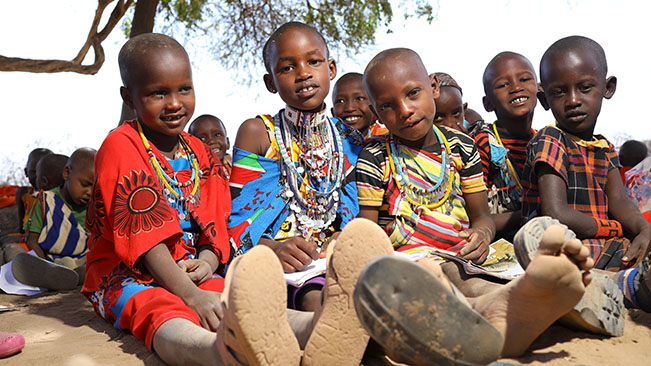
    The first light of dawn washes over Kajiado in shades of gold and dust. Goats stir, fires crackle in tin kettles, and somewhere in the distance, a school bell rings but for many children, its call never reaches their feet. They used to walk in neat lines along the winding paths, laughter carried by the morning breeze. Now, their journeys take them in a different direction, toward water that hides far beneath the ground, toward pastures where their family’s last goats graze, toward survival itself. 


    The drought has reshaped childhood. Where notebooks once filled small hands, there are now worn jerrycans. Where blackboards once held their eyes, there are endless horizons of cracked earth. Whole classrooms sit hollow, dust gathering on benches as if marking the passing of dreams. Education has not been abandoned by choice, but by necessity a cruel bargain with the land. 


    When the herds vanish, so does the money for uniforms, books, and the quiet dignity of a full lunchbox. Hunger curls its way into the schoolyard, settling in the eyes of children who can’t focus through the ache in their stomachs. Some fight to keep their heads up through lessons; others simply surrender to sleep, lulled by fatigue rather than comfort. 


    Even the land itself seems determined to test them. Some schools stand along the invisible highways of wild elephants, massive shadows that appear without warning. They crash through fences, overturning water tanks and scattering anything in their path. Fear spreads faster than news, and parents tell their children to wait, to walk later, to be safe. But each delayed morning is another stolen page from the book of learning. 


    For girls, the path narrows even further. The pull of early motherhood, of marriages arranged in the quiet spaces of tradition, often closes the school door before their ambitions can take root. Those who find their way back face whispers, stares, and the weight of a journey few understand. Safe hubs offer a lifeline a place to learn without judgment but the climb back is slow, and the road is long. 


    Still, hope is stubborn here. Beneath acacia trees, parents gather to learn alongside their children, turning education into a family mission. Elders, chiefs, and local volunteers walk dusty trails, knocking on doors to bring children back. Warm meals steam from pots in makeshift kitchens, tempting small feet through the school gates again. Wildlife fences rise where danger roams too close, and community patrols keep watch on the paths where books are carried instead of buckets. 


    In Kajiado, education is not just a building. It is a moving, breathing thing a lesson delivered wherever a child can be found. It follows them to grazing fields, to dry riverbeds, to villages where the bell may be silent but the hunger to learn still hums beneath the surface. 


    Because here, when the classroom becomes a mirage, the answer is not to wait for the children to return. It is to go after them across the heat, through the dust, into the spaces where they have drifted and bring them home to learning. The children of Kajiado are still knocking. Their voices are thin but steady against the wind. The question is not whether they can hear the bell. The question is whether we will hear them. 


  • From Ethics to Storytelling: Daystar’s Masterclass Equips Future Climate Reporters

    From Ethics to Storytelling: Daystar’s Masterclass Equips Future Climate Reporters

    By Helga Mbodze Ishmael

    NAIROBI, Kenya — August 12, 2025

    The crisp Nairobi morning air carried a sense of anticipation as students, faculty members, and media professionals streamed into Daystar University’s Valley Road Campus yesterday. Inside one of the lecture halls, a quiet hum of conversations and the rustle of notepads signaled the start of a day that would challenge, inspire, and equip the next generation of climate reporters.

    This was no ordinary academic gathering. The masterclass, themed “Climate Change for Planetary Health”, served as the curtain-raiser for Daystar’s Annual Scientific Conference — an event that continues to bring together scholars, practitioners, and thought leaders to address pressing societal issues. With climate change dominating global headlines and shaping policy debates, the session sought to place communication at the heart of environmental action.

    The audience was a vibrant mix: journalism students eager to sharpen their skills, lecturers keen to connect classroom learning with field realities, and representatives from prominent professional bodies including the Kenya Editors Guild (KEG) and the Media Council of Kenya (MCK). The diversity of backgrounds mirrored the multi-sectoral approach needed to tackle environmental challenges.

    The day’s first speaker, Dr. Rosemary Kowour, a lecturer in the School of Communication, opened with a direct yet hopeful challenge to the room. Introducing the concept of SOJO — Solutions Journalism — she urged the audience to rethink how climate stories are told. “Climate change narratives must shift from despair to possibility,” she said, her voice firm yet inviting. “While the facts about rising temperatures, droughts, and floods are important, audiences also need to see pathways forward — stories of innovation, resilience, and transformation.”

    Dr. Kowour’s presentation was layered. Beyond solutions-focused reporting, she turned to the media industry’s ethics and practice, dissecting the tenets of ethical journalism: truth and accuracy, independence, fairness and impartiality, humanity, and accountability. These, she reminded the participants, are not optional ideals but the bedrock of credible journalism. “In the age of misinformation, our credibility is our currency. Without it, our work loses its power to inform or inspire change,” she emphasized.

    Next, Dr. Lydia Radoli, Associate Dean of the School of Communication, took the floor. With an engaging and conversational style, she positioned storytelling as the hallmark of communication. Her focus was on how journalists can bridge the often-wide gap between climate science and public understanding. “Our responsibility as communicators is to connect the science to the lived realities of people,” she explained. Using examples from local communities, Dr. Radoli demonstrated how a well-told story can humanize data, turning abstract climate models into narratives that touch the heart.

    She went further to outline the role of journalists as both watchdogs and bridge-builders — holding power to account while fostering informed dialogue. “When it comes to climate change, we are not passive observers. We are active participants in shaping how society understands and responds to this crisis,” she said. Her words resonated with many students, some of whom scribbled furiously in their notebooks while others nodded in agreement.

    The session’s final speaker, Mr. Oketch, a communication specialist with experience across newsroom and NGO platforms, shifted the discussion to the practicalities of getting stories published. His focus was on pitching environmental articles — a process he described as equal parts art and discipline. “Editors are looking for stories that matter — but they must also be told in ways that engage, inform, and inspire,” he remarked.

    He walked the audience through the anatomy of a strong pitch: a unique angle, a clear sense of why the story matters now, and an understanding of the target audience. He also urged students to think about multimedia elements, noting that in the digital era, text is often just the starting point for a broader storytelling package.

    What stood out throughout the day was the interactive energy in the room. Students asked probing questions about sourcing credible climate data, balancing urgency with hope in storytelling, and navigating editorial pressures. One participant from the Kenya Editors Guild reflected that sessions like this are vital for bridging the gap between academic training and newsroom realities.

    The masterclass also served as an informal networking platform. During breaks, students exchanged contacts with industry representatives, while faculty members discussed potential collaborations with KEG and MCK to create more opportunities for experiential learning in environmental journalism.

    By the session’s close, the air in the hall felt charged with possibility. The masterclass had achieved more than just delivering lectures — it had planted seeds. For some students, it sparked a determination to specialize in environmental reporting. For others, it reaffirmed a broader commitment to ethical, impactful storytelling, whatever their beat.

    As the opening act to the Annual Scientific Conference, the event set a strong precedent for the discussions ahead. It underscored the reality that climate change communication is not merely about relaying facts; it’s about shaping narratives, influencing mindsets, and ultimately, driving action.

    In a world where environmental challenges can often feel overwhelming, the voices at Daystar’s masterclass offered a counterpoint: that through ethical practice, compelling storytelling, and strategic communication, journalists can help chart a path toward planetary health.

    For those who attended, yesterday was more than an academic exercise. It was a reminder — and a call to action — that the pen, the camera, and the microphone remain some of the most powerful tools in the fight for a sustainable future.

  • I Migliori Consigli per Giocare al Queen Casino IT

    Un’esperienza di gioco sicura e divertente

    Benvenuto su Queen Casino IT, la piattaforma di riferimento per gli appassionati di gioco online in Italia. Che tu sia un principiante o un veterano, abbiamo raccolto alcuni consigli essenziali per massimizzare il divertimento e giocare in modo responsabile. In questo articolo scoprirai come scegliere i giochi giusti, gestire il tuo bankroll e sfruttare le offerte promozionali per rendere ogni sessione unica.

    Strategia e gestione del budget

    Uno degli aspetti fondamentali per ogni giocatore è la corretta gestione del denaro. Prima di iniziare, stabilisci un limite massimo di spesa e non superarlo mai. Dividi il tuo budget in sessioni più piccole e non inseguire le perdite. Ricorda che il gioco dovrebbe essere sempre un intrattenimento, non un modo per guadagnare denaro. Per approfondire tecniche avanzate di gestione del rischio e strategie di investimento, visita https://archetypeinaction.com/, una risorsa utile per chi vuole migliorare le proprie competenze decisionali anche al di fuori del casinò.

    I giochi più popolari su Queen Casino IT

    Queen Casino IT offre una vasta selezione di slot machine, giochi da tavolo e live dealer. Tra le slot più amate troviamo “Book of Ra”, “Starburst” e “Gonzo’s Quest”, mentre per gli amanti del brivido classico non mancano roulette, blackjack e baccarat. I tornei settimanali e i jackpot progressivi rendono l’esperienza ancora più elettrizzante. Ti consigliamo di provare diversi giochi in modalità demo prima di scommettere denaro reale, così da familiarizzare con le meccaniche senza rischi.

    Bonus e promozioni esclusive

    Uno dei vantaggi di giocare su Queen Casino IT sono i bonus di benvenuto e le promozioni periodiche. Il bonus di iscrizione ti permette di ottenere un extra sul primo deposito, mentre le offerte di ricarica e i free spin sono pensati per i giocatori più fedeli. Leggi sempre i termini e le condizioni: i requisiti di scommessa possono variare, quindi scegli le promozioni che si adattano al tuo stile di gioco. Non dimenticare di attivare le notifiche per non perdere le offerte a tempo limitato.

    Gioco responsabile: le nostre regole d’oro

    Queen Casino IT promuove il gioco consapevole. Imposta un limite di tempo e denaro prima di ogni sessione. Utilizza gli strumenti di autoesclusione se senti di perdere il controllo. Il gioco è un passatempo: non giocare mai sotto stress o per recuperare perdite. Se hai dubbi, consulta le guide sul gioco responsabile presenti sul sito.

    Come effettuare depositi e prelievi in sicurezza

    La piattaforma accetta metodi di pagamento sicuri come carte di credito, PayPal, Skrill e bonifici bancari. I depositi sono istantanei, mentre i prelievi vengono elaborati entro 24 ore. Verifica sempre la tua identità per accelerare le transazioni. Per qualsiasi problema, il servizio clienti è disponibile 24/7 via chat e email.

    Conclusione

    Giocare su Queen Casino IT significa divertimento, trasparenza e sicurezza. Segui i nostri consigli, esplora i giochi e sfrutta le offerte senza mai dimenticare il valore del gioco responsabile. Buona fortuna e buon divertimento! Visita il sito ufficiale per iniziare subito la tua avventura.

  • THE YOUTH AND TAX LITERACY

    THE YOUTH AND TAX LITERACY

    By Mercy Mwaniki

    mercyjesca23@gmail.com

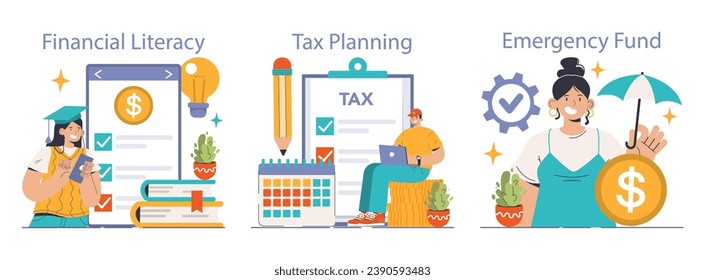
    When a conversation about tax is brought up among the youth, little is understood. Furthermore when you tell a twenty-year old with a KRA pin that he or she needs to file for nil returns and when they fail to comply, they will get follow-up questions that are supposed to justify why they should. But why pay for penalties when you are unemployed?

    Not many understand this concept and I can relate. Personally, I thought filing a return was an exhaustive process, but then I realized it was the opposite. Five minutes are more than enough to file a nil return. With the experience of filing nil returns, once you start earning or become self-employed, filing for both individual and non-individual taxes will no longer sound as complex. This is an annual activity thus all you need is to meet the deadline date which is June 30th of every year.

    Most of the information youths consume come from what the older generations’ say, each one has a different experience thus opinions tend to differ. In as much as sensitization has been done on the tax conversation, very few young people are involved. Some of them have the PIN, but wait until they get their first job, to realize its importance. Some know VAT as they can tell when an item they used to buy for sixty shillings is now going for eighty shillings, they understand that the tax has been increased thus the resultant increase in price. Businesses have to make money too, right?

    Almost every employer today is asking for a KRA pin when one is looking for a job, thus youths need to understand that you cannot delay getting one or ignore it just because you are a student or unemployed. Most of the side hustles many are currently doing might turn out to be their businesses in the future. With zero tax education or any form of involvement with taxes, it will be tough for any start-up in any industry.

    Tax education is very important and that is why the Kenya Revenue Authority has come up with various ways to simplify tax services. Even the language used through various programs such as the eTIMS, which enables either a buyer or seller to electronically initiate invoices, has been simplified. As the world delves deeper into technology, KRA is not left behind, ensuring you as a taxpayer is also moving forward when it comes to paying taxes and filing your returns.

    Looking at the past 2024 Finance Bill protests which led to President Ruto not signing the bill and withdrawing it, it’s important for the youth of Kenya particularly GenZs to understand how taxation influences our economy, our opportunities and our future. Attend tax education forums, ask questions and demand transparency. A well informed generation is a very strong and influential one__ and that starts with you.


  • Sofiya Nzau

    Sofiya Nzau

    By Joe Aura 

    Kenyan singer Sofiya Nzau  (born 20 February 1993 as Sofiya Wanjiku) is poised to make become the first Kenyan artist to perform at Tomorrowland. The prestigious event, which began over the weekend will continue until July 27, in #Boom, #Belgium.

    The performance comes amid Sofiya’s first official European tour, launched following the runaway success of her global hit Mwaki. According to The Kenya Times, the song surpassed 87.4 million streams on Spotify, becoming the most-streamed Kenyan song ever on the platform.

    “I love all types of music and I am really passionate about making good music.”

    “My team and I create professional music from scratch for every project-creating a concept and vision for the song, understanding the mood and audience, creating unique melodies, writing, recording and editing”

    After the song Mwaki became a viral hit, people began to inquire about the person behind the song. The song was credited to a Brazilian DJ, but the Kikuyu vocals hinted at a Kenyan vocalist. Soon, people discovered that Kenyan singer and songwriter Sofiya Nzau was the brains behind it.

    Before her rise to fame, Sofiya Nzau worked as a street vendor and domestic helper in Thika from 2015 to 2020.

    After the COVID-19 pandemic reached Kenya, she quit her jobs in December 2020 and became a songwriter. Her husband, a music producer, supported her. She wrote several songs in the Kikuyu language, which she uploaded as sound and language packages on various platforms for music producers.

    In 2023, Brazilian DJ Zerb took her song Mwaki, meaning fire in English, and remixed the song as house. The song spread via TikTok and eventually became a viral hit. When it turned out that the song would be an international hit, voices were raised accusing Zerb of exploitation.

    Nzau opposed this and said that she had chosen the distribution channel herself. In addition, she had made an agreement with Zerb from which she would benefit financially. She subsequently received a credit for the song in the commercial evaluation and is listed on an equal footing in the charts.

    In December 2023, she also performed the song live in Nairobi. In January 2024, the video for the song was shot in Hell’s Gate National Park.

    The tour kicked off with a sold-out show at #Thuishaven, #Amsterdam, where Sofiya delivered an emotional and high-energy performance.


  • Through the Fire: Joyce Ong’ombe’s Testimony of Faith, Healthcare, and Community

    Through the Fire: Joyce Ong’ombe’s Testimony of Faith, Healthcare, and Community

    By Joe Aura

    On December 29, 2024, Joyce Ong’ombe stood at the edge of life as she knew it—and watched it all disappear in flames.

    Just months earlier, she had been living what many would call a modest, fulfilling life. A teacher by training and a small businesswoman by necessity, Joyce had carved out a routine of quiet resilience. Her world revolved around her daughter Georgina, the only surviving child after a devastating accident year prior had taken her husband and two of her children. Losing them was an emotional earthquake, but Joyce found a way to breathe again. “Georgina was my anchor,” she recalled. “She made me feel whole.”

    They were in Mombasa, finally taking the long-promised trip to celebrate Georgina’s birthday. It was supposed to be a weekend of joy—donuts for breakfast, a walk on the beach. Instead, it became a nightmare. A faulty water boiler in their rented apartment exploded as they stood in the kitchen. Joyce was thrown into darkness and flames. Georgina unfortunately didn’t survive.

    What followed was a journey that would test every limit of her body, faith, and spirit.


    Sanctuary At Kenyatta National Hospital

    Joyce was referred to Kenyatta National Hospital (KNH), barely conscious and severely burned. Most of her body—except her face and neck—was covered in wounds. Her right hand had to be stabilized with a metal rod. Skin grafts were taken from areas that were healing, only to be re-wounded again. Pain had become her constant companion.

    But so did compassion.

    At KNH, Joyce says, she encountered more than just healthcare workers. She met “angels in uniform.” Surgeons like Dr. Kahor, and attentive nurses who not only dressed her wounds but whispered hope into her soul. “One nurse told me, ‘Even if you have nothing left to believe in, just believe that God will help you,’” Joyce shared. “Those words stayed with me.”

    The hospital’s commitment went beyond treatment. The nurses, the ICU staff—everyone treated her with dignity, empathy, and unwavering presence. In a system often burdened and criticized, KNH stood as a pillar for someone clinging to survival.

    A Community Like No Other

    But medical care alone doesn’t heal the soul. Joyce’s recovery story is deeply entwined with the people who showed up, sometimes with just 10 shillings, sometimes with prayers, sometimes with their presence.

    Former classmates from Alliance Girls’, Kikuyu Campus, and Asumbi Girls’ formed financial and emotional safety nets. Friends like Calvin, her nephew, stepped into the role of caregiver without hesitation, sacrificing work and personal time to become her advocate and protector. A dedicated nurse, Jinx, traveled with her to India, not just as a caregiver but as a prayer partner and sister-in-arms.

    “There were days we had no money, no strength, and no peace. But we had each other,” Joyce said.


    A Walk of Faith

    Doctors didn’t expect Joyce to walk again. The skin on her left leg was gone, replaced with grafts placed over exposed bone. But in what she describes as a divine moment, Joyce stood and walked—unaided, unprompted, unexpected.

    Grief is universal. But few experience it as repeatedly and as profoundly as Joyce Ong’ombe. Her story is not just about tragedy; it’s about what holds us up when everything falls apart. It’s about what hospitals can do when care is layered with humanity. It’s about the small kindnesses—shared rooms, borrowed prayers, and simple meals—that become lifelines.

    Today, Joyce is still healing. She has open wounds and contracted muscles that cause pain. But she also has a renewed understanding of grace, community, and purpose. “You are the family I have,” she told her church during her testimony. “You covered me.”

    Her story stands as a powerful reminder: that when loss comes, what saves us isn’t just medicine—it’s people. And sometimes, people can be the greatest miracle of all.