Blog

  • Kajiado’s lifestyle

    Kajiado’s lifestyle

    By: JENTRICE MUNEI

    1. Drought: The Silent Dropout Catalyst
    ~School one day, homebound the next

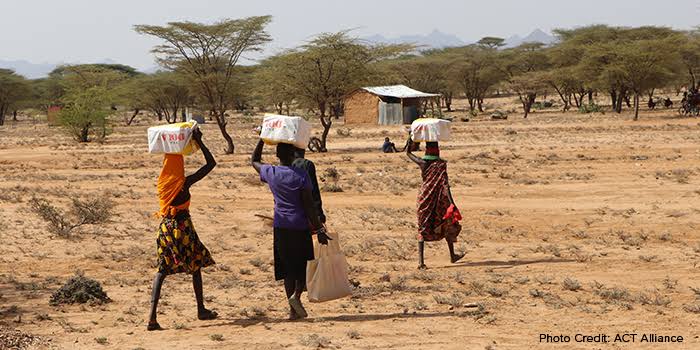
    In 2022, a staggering 99% of school dropouts in Kajiado Central cited drought related reasons from fetching water, grazing livestock, to tending to dying herds according to CARE Kenya.

    ~Hollow classrooms and empty desks
    By mid 2025, over 300 learners hadn’t returned to term three, especially in rural areas where livestock sales fund education. In some schools, only one third of students came back after the holidays.

    2. Poverty: Fees, Food, and Forced Choices


    ~No livestock, no lunch
    With herds decimated, parents can no longer pay fees nor feed their children. Many resort to picking up casual work or hawking a short term fix for survival.
    ~Hunger before homework
    Around 84% of attending students suffer from hunger induced fatigue, showing short attention spans and even sleeping in class.


    3. Wild & Wilderness: Learning at the Mercy of Giants

    ~Elephants at the gate
    In 2025, eight schools shut for three weeks after elephant invasions when wild elephants raid compounds, teaching stalls, and safety erodes.

    ~Daily fear, delayed education
    Children wait until mid morning to avoid wild encounters, disrupting learning routines.

    4. Girls at Risk: Pregnancies and Displacement


    ~Alarming dropouts among girls
    Teenage pregnancies have sidelined many girls by 2021, 25% of dropouts in Kajiado South were girls, largely citing early pregnancies and marriage.
    ~Re entry is not simple
    Initiatives by FAWEK engage stakeholders in re entry programs. Safe hubs in Kitengela nurture teen moms before reintegration, yet the road is long and winding

    .
    >Rays of Hope: Community & NGO Solutions
    ~Feeding programs
    Organizations like Light of Hope now feed 79,000 pupils across 210 schools, lifting enrollment from 84% to 97% (2022–2024).
    ~Door to door tracing missions
    Chiefs, elders, and NGOs collaborate to trace and re enroll absent learners through mop up drives initiated after low transition rates.

    ~Parental empowerment workshops
    Through engagements under shade at ECDE centers, parents are learning CBC curricula and actively participating in schooling buying books, attending meetings, and nurturing progress.
    >Closing the Disparity Loop
    Despite policies guaranteeing free basic education, structural dynamics drought, poverty, gender bias, and ecological hazards open cracks too wide for many children to cross. But Kajiado isn’t giving up. From feeding programs to parental empowerment, community patrol teams to wildlife fencing, a mosaic of interventions offers hope.

    ~Ending on a Dare: Can We Make Education Elastic?
    Imagine a system so adaptable that no mattress less Maasai child, no hungry teenager, no rural outlier is left stranded. Education must stretch to meet them the drought stricken grazing lands, the elephant corridors. Because when the classroom becomes a mirage, chasing down every learner is not just a moral duty it’s the foundation of Kenya’s future.
    Kajiado’s hard to reach children are knocking. Will we let them walk away?

  • The Silent Struggle: When Our Digital Lifelines Go Quiet

    The Silent Struggle: When Our Digital Lifelines Go Quiet

    By Tehila Namai

    Byline: In a world built on digital connection, a phone’s silence can be more unsettling than peace for a student.

    That sudden, dreaded silence. Not the peace of a quiet library, but the chilling absence of a notification from your phone after an M-Pesa transfer. Or maybe, the university portal email you never saw. In a world where our lives revolve around digital pings and alerts, the unexpected disappearance of these vital communications can hit even the calmest student hard. For us, staying connected isn’t just nice to have; it’s the hidden thread holding our academic, financial, and social lives together.

    Think about a typical university student here in Kenya. Our days are a constant juggle: lectures, assignments, part-time jobs, and trying to keep a social life. Right at the heart of all this are services like M-Pesa and solid network coverage. M-Pesa isn’t just for sending money; it’s how we pay for matatus, grab a quick meal at the local kibanda, send cash back home, or pool money for group projects. That SMS confirming a transaction isn’t just a receipt; it’s real peace of mind, proof that money went through, and a crucial record in a jam-packed day. When those messages suddenly vanish, even if the transaction itself worked, it throws everything into doubt: Did it actually go through? Am I stuck here without fare? Is my money safe?

    Beyond our finances, our entire academic world runs on digital channels. Lecture notes fly around on WhatsApp, assignment deadlines hit via SMS or the university’s online system, and group work happens in virtual spaces. Missing a key message, whether it’s a network hiccup or our messaging apps secretly filtering things out (which is a real pain for Android users), can have serious consequences. We could miss a deadline, make the wrong call on a project, or simply fall behind. All these small, digital snags add up, piling on stress, wasting precious time, and sometimes even costing us money.

    The recent issues with M-Pesa SMS delivery, especially for certain phone types or those using different messaging apps, expose a real weak spot in our daily lives. It means we have to constantly double-check balances and manually confirm transactions, adding an extra layer of worry to already busy schedules. While there are fixes, like digging through spam folders or switching back to basic apps, it feels like the burden shouldn’t just be on us, the users, to sort out what are, at their core, essential service problems.

    For service providers and our universities, this isn’t just a minor technical issue; it’s a clear sign that they need to understand how fundamental digital communication is to our well-being and our education. Investing in strong, reliable systems and making sure they tell us


    upfront if there are any problems giving us clear instructions and easy ways to get help isn’t a luxury anymore. It’s absolutely necessary.

    Ultimately, the silent phone isn’t just an inconvenience; it’s a glaring reminder of how much we depend on these digital connections that simply have to work. For students navigating the whirlwind of modern life, always being able to access vital digital services isn’t just about making things easy; it’s about creating a space where we can truly succeed, without the added weight of digital uncertainty. Our futures, in so many ways, rest on these invisible, yet incredibly important, connections.

  • WHY AFRICAN LEADERSHIP MUST FOCUS AT ITS HEART MORE THAN ITS HEAD

    WHY AFRICAN LEADERSHIP MUST FOCUS AT ITS HEART MORE THAN ITS HEAD

    By John Ilunga

    Recent documentaries from DW News and International journalist Johnny Harris, stipulate that DRC is a land full of potential. Very wealthy; 24 trillion dollars to be exact. Gold, cobalt, Jewellery, copper and coltan for internal electronics.The Democratic Republic of Congo is said to be a rich country, full of minerals and natural resources that could feed the entire world for decades. If you could estimate what that means in practical terms it would mean the end of global humanitarian crises and a long period of peace and security across borders. Another perspective would be Egypt. Based on research, it once supplied food to many distant lands across the Nile in the Mesopotamian region. So why don’t we see this happening today in Africa?

    The Fattened livestock, favorable climatic conditions and good soils for agriculture all indicate the richness of this magnificent country by the Equatorial belt. We are all strapped in the belt of famine and food shortages across the continent. Food prices in recent times have sky-rocketed due to the increased gas and fuel prices. The Civil wars and brutality amongst nations have taught us a valuable lesson. The increasing wars in Israel; the Russian assault on the Ukrainian people as well as terrors in the political zones are mostly the problem. Let’s not even mention pandemics and USAID.It is evident that the headship of most African countries needs revisions. The greatest issues surrounding the African continent today vastly stream to wars, territorial tribalism and internal insecurity. In one word;greed.

    In the face of all these problems, what can big brother Africa do?
    Something must surely be done. With good leadership and good policies, the pen still remains mightier than the sword. In this case, ballistic enemy missile forces.


    Most policies are aimed at changing the status quo. Making a difference through government resolutions and planning. What if I told you that the solution could well lie within the resources that we have and not entirely upon the shoulders of our leaders. Leadership is critical but we need an educated and working population in Africa. So far, young people are thriving in many spaces in the African context. We have found a voice to air our issues and inform the world of our current financial, political and economical predicaments.

    Africa is slowly but surely progressing towards a masterful; metropolitan, commercial and suburban continent, spanning among the world’s best of inventions and designs. This is the dream we all share of a united Africa. No more dependence on global powers for sustenance. We, however, 1qare still slaves of the past as the horrors done to us in past decades still haunt us. We have become more leaning towards decisions for survival than to thrive. Shall we ever arrive?

    It starts at the heart. We need to deal with not only the social issues but the differences we have one with another so that we can build on new foundations of excellence and sophistication. We are smart but silenced by the systems that rule over us. We mustn’t try to fight but to thrive in outdoing our masters so that we can break free from the bondage they hold on us. As long as we remain veiled to the truths of our potentials, then we are left to reason like our masters and leaders. Our aim should not be war, but peace and union.

    We need to talk these things together and workout how we can harness our own natural resources and produce excess over the surplus which we export and try to control and manage our own businesses. We can harness the power of digital and use it to end social injustices, Political manipulation and corruption. Africa needs to feel more rather than using brainpower all the time. Addressing issues from within through structured systems management can help maintain a good and healthy thriving society where all can become great and impactful. Africa, where do you stand?

  • MKAHAWA WA NDANI

    MKAHAWA WA NDANI

    Na Chelangat Caren

    Maktaba ya chuo kikuu usiku ni ulimwengu mwingine kabisa, tofauti na shamrashamra za mchana. Giza la nje huongeza ukimya wa ndani, na taa zinazong’aa juu ya meza huangazia sura za wanafunzi waliojikita katika vitabu vyao au kompyuta zao ndogo. Hapa ndipo ndoto huwindwa kwa bidii isiyo kifani, kwa kikombe cha kahawa.
    Katikati ya mihadhara mizito na msongamano wa maktaba, kila mwanafunzi anahitaji kimbilio. Mahali pa kupumzisha akili, kunywea kahawa au chai moto, na labda kukamata kipande cha keki. Lakini je, unajua siri iliyofichwa ndani ya kampasi yetu ambayo inakupa yote haya, na zaidi? Tunanong’ona kuhusu ‘Mkahawa wa Ndani’.
    Huu si mkahawa wa kawaida; ni kama maktaba ndogo yenye harufu ya kahawa na vitabu. Ukuta mmoja umejaa rafu za vitabu vya zamani, vikiwa vimeachwa na wanafunzi waliomaliza masomo. Unaweza kukuta riwaya ya E. Kezilahabi, kitabu cha historia ya Kenya, au hata kitabu cha kuandaa maakuli . Wakati unasubiri kahawa yako, unaweza kupiga jicho kitabu chochote, na ukikipenda, unaweza kukichukua na kukiacha kingine chako. Ni mfumo wa kubadilishana vitabu usio rasmi lakini wenye roho.
    Mkahawa wa Ndani umekuwa ukumbi wa mikutano ya vikundi vya masomo, mahali pa mikutano ya ‘dating’ za kwanza zisizo na presha, na hata mahali pa kulia peke yako ukifurahia amani. zao zimetulia kuendana na bajeti ya mwanafunzi, na huduma yao ni ya kindugu. Ni zaidi ya mkahawa; ni moyo mdogo wa jumuiya yetu, unaotoa joto, maarifa, na nafasi ya kupumua. Nenda uujionee mwenyewe – labda utapata kitabu cha maisha yako, au rafiki mpya.
    Katikati ya mihadhara mizito na msongamano wa maktaba, kila mwanafunzi anahitaji kimbilio. Mahali pa kupumzisha akili, kunywea kahawa au chai moto, na labda kukamata kipande cha keki. Lakini je, unajua siri iliyofichwa ndani ya kampasi yetu ambayo inakupa yote haya, na zaidi? Tunanong’ona kuhusu ‘Mkahawa wa Ndani’.
    Huu si mkahawa wa kawaida; ni kama maktaba ndogo yenye harufu ya kahawa na vitabu. Ukuta mmoja umejaa rafu za vitabu vya zamani, vikiwa vimeachwa na wanafunzi waliomaliza masomo. Unaweza kukuta riwaya ya E. Kezilahabi, kitabu cha historia ya Kenya, au hata kitabu cha kuandaa maakuli . Unaposubiri kahawa yako, unaweza kupiga jicho kitabu chochote, na ukikipenda, unaweza kukichukua na kukiacha kingine chako. Ni mfumo wa kubadilishana vitabu usio rasmi lakini wenye roho.
    Mkahawa wa Ndani umekuwa ukumbi wa mikutano ya vikundi vya masomo; mahali pa mikutano ya ‘dating’ za kwanza zisizo na presha, na hata mahali pa kulia peke yako ukifurahia amani. Zao zimetulia kuendana na bajeti ya mwanafunzi, na huduma yao ni ya kindugu. Ni zaidi ya mkahawa; ni moyo mdogo wa jumuiya yetu, unaotoa joto, maarifa, na nafasi ya kupumua. Nenda uujionee mwenyewe – labda utapata kitabu cha maisha yako, au rafiki mpya.

  • Friend or Foe? What AI Really Means for the Future of Creatives

    Friend or Foe? What AI Really Means for the Future of Creatives

    By Sheila Wambua

    With an exasperated sigh heard at the end of the call, Joe Musyoki sinks into his office chair at home while clearing his throat and tells of his experience with the use of AI in the creative field as a professional Graphic Designer.
    “Let’s just say I am focusing a bit more on AI, this thing can’t be ignored, either you learn it or you get left behind.” Joe Musyoki, who has decades of experience in the creative world, tells Involvement.
    In the past 2 years, AI has gotten a major traction, with famous works like AI-powered portraits that are hanged in the museum, to the vast amounts of data AI has.
    “I am also learning it on the side, it especially helps me when coming up with copy for poster etc., I suck at writing copies.”
    Burnouts are sadly way too common especially in the creative field. This is commonly seen when deadlines pile up and you run out of inspiration or get too tired to work on any more

    projects. AI tools would be helpful because it would help people to relieve some of the pressure mentally.
    Many of the creative works released on social media today have subtle traces of AI in them. Whether its AI-assisted storytelling, AI prompts on the posters or used in designing a product to AI written projects. Use of AI generators such as MidJourney and Zapier make work easier for the graphic and product Designers. One click is all it takes to compose an illustration which would have taken you hours to sketch out and illustrate on the software. For some, it is a miracle come true, but to others it is a double edged sword.
    “As a designer you have to use it to your advantage, and it’s already replacing some of us. A rough example is the illustrators, honestly I don’t feel very comfortable right now, I need to find other ways to make money other than design.”
    There have been a lot of cases whereby, in an art competition, some competitors would hand in their projects only for it to later be recognized as AI. The AI is already being utilized in place of real professional talent which has taken years to cultivate. Many professionals would cry out that it is foul play for someone to use AI when they themselves had to put in blood, sweat, and tears in their work.
    But is it really foul play to use AI when one of the standards required is a deep understanding and refinement of how to use the AI prompts?
    Elsewhere, Brian Leonard, a Kenyan Graphic designer with Lenny Arts in Nairobi, tells The Star that, “The integration of AI to my workflow has been a great thing! I’m able to put out so much more accurate, near-perfect work with the same energy as I would back before AI. I’m able to come up with awesome scripts as if it’s something I would have done for a very long time.”

    The problem however comes in with the copyright issue. If an artist uses AI to generate a photo, are they allowed to claim it as their own, or is it the machines? Who really gets to “own” it? Who gets to claim that they “made” it?
    If you guide the AI with your imagination, refine the outputs, and curate the result, then are you still the artist? The AI could be your assistant, not your replacement.
    “While AI is both interesting and also a bit scary especially in copywriting, there is a lot of learning that can be got from AI and that AI will also benefit from a human hand.” Leonard Dzoga informs the Newsroom.
    Based on the opinions expressed by the professionals in the creative industry, we should expect AI to play a bigger role in the future as it keeps on ad壯陽藥
    vancing. It is the reality of how things will unfold, and anyone who wishes to stay relevant in their line of work, has to learn to adapt. AI on its own is not creative, but is a useful assistant if used wisely.

  • The struggle of mental health among students and young people

    The struggle of mental health among students and young people

    By Isaac Biosse

    Picture this.

    You’re out with your friends at your regular chill spot. On this particular day, you went early because you needed to get some work done. You thought you’d be the first one there, only to find almost everyone already seated, enjoying time with the community. Granted, some of them were curating a show that day, so they had to be there early. But then there’s K—who, on a normal Tuesday, would be in the office.

    Anyway, you finish your work early and join the rest as you all wait for the evening show. K is his usual self—full of life. He’s making terrible dad jokes, giving people random hugs, and sipping his favourite tequila. Typical K.

    After the show, you finally decide to head home early because you’re exhausted, and you still have work the next morning.

    The next day comes, and life goes on the usual cycle. You then remember that you had promised K you’d link up again later that evening for a music show, but you weren’t able to make it, and you didn’t even communicate with him.

    Then Thursday comes. You go about your day’s business until around 3 p.m., when the most dreaded phone call comes in. The person on the other end is sobbing. You try to find out what’s wrong. And then they break the news:

    “K is no more. He left us yesterday.” A vibrant student who was chasing after his PhD, A stellar pianist and musician, ‘’No more?” I was heartbroken

    Suddenly, the world comes to a standstill. No more? Left yesterday? I mean, on Tuesday he was just fine, according to how you’ve known him. So what could have triggered him between us going our separate ways on Tuesday night and the morning of Wednesday? So many questions.

    Just like that, a young soul, full of dreams, ambition, and love for others, is gone. What wasn’t visible, though, was the pain. The sleepless nights. Many times he almost gave up hope. But this time, the monster had won. This happened to someone in my circle.

    You see, the concept of mental health may feel foreign to many, but it lives among us daily.

    According to the 2022 Kenya National Adolescent Mental Health Survey (K-NAMHS):

    ● Approximately 10% of adolescents experience anxiety, and 7% experience depression.

    ● Another report shows that 46% of students aged 12–17 are struggling with depression, while 38% are dealing with anxiety.

    ● 80% of young people who struggle with suicidal ideation have an underlying mental health condition.

    ● Around 311 youths die by suicide in Kenya every year—a number likely higher due to underreporting.

    There are many causes of mental health conditions: biological, environmental, psychological, digital influences, and even substance use.

    Mental health is a real struggle. We can’t ignore it. We can’t run away from it. And no one is immune.

    The best we can do is be aware, create safe spaces for our peers, and treat therapy as a lifestyle practice, not just a response to crisis.

    And as many say, “It’s okay not to be okay.”


  • Bill Gates’ $100 Billion Giveaway

    Bill Gates’ $100 Billion Giveaway

    By Joe Aura, aurajoe6@gmail.com

    Imagine waking up one morning and deciding, “You know what? I’m giving away nearly all my money before I die.” That’s not your typical thought—unless you’re Bill Gates.

    On May 8, 2025, the Microsoft co-founder announced plans to give away virtually all his remaining wealth—over $100 billion—within the next 20 years.

    Yes, you read that right. By 2045, the Bill & Melinda Gates Foundation will have closed its doors, having redistributed its massive endowment to causes around the globe.

    This isn’t just a billionaire’s midlife crisis. It’s a major shift in how philanthropy operates. For decades, big foundations have worked on the principle of “give slowly, invest the rest.” Gates is flipping that script.

    Expect a massive boost in funding for global health, education, clean energy, and efforts to tackle poverty. If you’re passionate about solving real-world problems, this is the kind of energy we need.

    What Could This Change?

    1. Global Health Will Get a Shot in the Arm

    From malaria to maternal health, Gates’ money will go where the needs are greatest. This could mean faster eradication of deadly diseases and more resilient healthcare systems—especially in Africa.

    2. The Philanthropy Game Just Changed

    Other billionaires may start questioning whether sitting on giant endowments is ethical when the world is literally on fire—climate-wise, politically, and economically.

    3. A Vacuum After 2045?

    Here’s the catch: once the foundation closes, who keeps these projects alive? That’s where governments, communities, and young changemakers like you come in.

    Why It Matters for Kenyan Youth

    We live in an era where innovation meets inequality. Whether you’re in tech, media, education, or just trying to secure the bag, Gates’ decision indirectly affects you. Kenya, a rising hub for startups, climate action, and health innovation, stands to benefit from some of this funding—either directly or through partnerships.


  • The Digital Dilemma

    The Digital Dilemma

    By Joe Aura, aurajoe6@gmail.com

    In 2024, Daystar University signaled a bold move toward digital transformation by initiating the distribution of KCB smart cards meant to automate cafeteria and transport payments. While the idea promised efficiency and modernization, the implementation remains incomplete—with several students still unaware of the cards’ status or future use.

    This scenario is not unique to Daystar. Across the world, institutions aiming to digitize payment systems often encounter a range of structural and technological challenges that stall or limit their progress. These challenges cut across cybersecurity risks, evolving regulations, infrastructure gaps, and human-centered design flaws—all of which must be addressed to ensure a sustainable rollout.

    One of the most significant concerns is cybersecurity and data protection. As digital systems become more integrated, they become more attractive to cybercriminals. Institutions must guard against data breaches, unauthorized transactions, and potential reputational damage. Fraud prevention mechanisms, including real-time alerts and multi-factor authentication, must be embedded into these systems from the outset.

    Regulatory compliance also presents hurdles. Payment systems are governed by complex, often-changing regulations. Smaller institutions, such as private universities, may struggle with the costs and capacity needed to meet compliance standards—especially when juggling academic and administrative priorities.

    A persistent barrier in such transitions is interoperability. Many digital systems start as closed loops, limiting compatibility with other platforms or banking systems. For a campus payment system to work seamlessly, it must interact with point-of-sale devices, transport platforms, and online service providers—ensuring students can use it beyond just one or two functions.

    From a technology standpoint, outdated infrastructure and legacy systems can hold back progress. Many institutions operate on fragmented or outdated databases that are difficult to integrate into modern payment architectures. In some cases, even basic infrastructure—like stable Wi-Fi, updated hardware, or trained personnel—may be lacking or inconsistently available across campuses.

    Customer experience is another overlooked but crucial element. Today’s students expect instant, intuitive, and secure platforms. If systems are introduced without adequate training, orientation, or user-friendly interfaces, adoption will be slow. Students unfamiliar with how or where to use their cards may opt to continue with manual processes, as seems to have happened at Daystar.

    Interestingly, financial inclusion and digital literacy also play into the equation. While digital systems can empower students by making banking and access to services more inclusive, they can also marginalize those with low digital literacy or inconsistent access to mobile devices and banking networks.

    Institutions must also confront the risk management dimension. Introducing new systems requires contingency plans—what happens when a system fails, a card is lost, or a transaction doesn’t go through? The lack of clear communication around such processes can erode trust and slow adoption.

    All these factors combine to influence public perception. Without clear, consistent communication and trust-building, students may view digital payment systems as cumbersome or unnecessary. And in an environment where students already navigate tight academic schedules, changes need to be well-motivated and visibly useful.

    That said, Daystar has demonstrated capability in implementing large-scale digital transitions before. During the COVID-19 pandemic, the university smoothly transitioned to online learning—enabling students to attend classes, submit assignments, and even defend theses from across the world. This experience underscores that with intentional planning, open communication, and responsive support systems, digital solutions can thrive.

    Ultimately, the goal shouldn’t just be digitization for its own sake. For smart systems to succeed, especially in educational institutions, they must be people-centered, secure, accessible, and seamlessly integrated into the daily experience. With the right approach, Daystar and similar institutions have the potential not only to catch up—but to lead the way.


  • Ontdek BetSixty: Jouw Nieuwe Online Casino Favoriet

    Op zoek naar een online casino met spanning, snelle uitbetalingen en een geweldige spelervaring? Dan is betsixty precies wat je nodig hebt! Met een uitgebreide selectie spellen, fantastische bonussen en een gebruiksvriendelijk platform is BetSixty een topkeuze voor Nederlandse spelers. Laten we eens kijken wat dit casino zo speciaal maakt.

    Gratis Spins en Aantrekkelijke Bonussen

    Wie houdt er nu niet van gratis spins? Bij BetSixty kun je regelmatig profiteren van leuke aanbiedingen. Of je nu een nieuwe speler bent of een trouwe klant, er zijn altijd wel extra draaien of stortingsbonussen te vinden. Het maakt niet uit of je van slots, tafelspellen of live casino houdt – er is voor ieder wat wils.

    Een Breed Aanbod van Spellen

    BetSixty biedt een enorme variatie aan spellen, van klassieke slots tot moderne video slots met gave graphics. Ook fans van blackjack, roulette en poker komen hier aan hun trekken. Het live casino brengt de echte casino-ervaring naar je scherm, met professionele dealers en interactieve mogelijkheden.

    Snelle en Veilige Betalingen

    Niets is vervelender dan lang wachten op je winst. Gelukkig zorgt BetSixty voor supersnelle uitbetalingen, vaak al binnen enkele uren. Of je nu kiest voor iDEAL, bankoverschrijving of een andere betaalmethode, je kunt rekenen op een soepel proces. En natuurlijk wordt alles beveiligd met de nieuwste encryptietechnologie.

    Gebruiksvriendelijk en Betrouwbaar

    Het platform van BetSixty is ontworpen met de speler in gedachten. Of je nu op je laptop, tablet of smartphone speelt, alles werkt vlekkeloos. Bovendien is het casino volledig gelicentieerd, zodat je met een gerust hart kunt spelen.

    Kortom, BetSixty biedt alles wat je van een top online casino mag verwachten. Probeer het zelf en ontdek waarom zoveel spelers hier hun favoriete plekje hebben gevonden!

  • Chaos and Loss: Business Owners Count the Cost After First Anniversary Protest in Nairobi

    Chaos and Loss: Business Owners Count the Cost After First Anniversary Protest in Nairobi

    By Jacqueline Kitamba


    Protests marking the first anniversary of last year’s anti-finance bill demonstrations took place across various regions in Kenya on June 25, 2025, resulting in extensive damage and significant financial losses for numerous business owners in the CBD area.


    What began as a peaceful gathering rapidly turned into clashes between the police and the protestors, leaving behind massive destruction in key parts of the capital, including the CBD area, Khoja, River Road, Ngara, and Moi Avenue, among others.


    Thursday morning, as the smoke cleared, shop owners arrived at the scene of shattered glass, burned-up buildings, and looted stalls, a reminder of how fast one’s livelihood can be taken away.


    Caroline, who owns a shop at Mithoo House, River Road, said her store was turned upside down by the looters who made away with everything, including the roof of her shop.


    “I was called yesterday, and I almost fainted. Everything in my shop is gone, and I do not know where to start,” said Caroline.


    She additionally urged Nairobi Governor Sakaja, along with the entire administration, to make an effort to assist them. Caroline stated that the police observed as their stores were being robbed and did nothing to intervene


    She does not know where to start and is asking for her landlord to be lenient with her as she gathers herself. Caroline is one of the many small business owners who do not have insurance to cover such losses.


    Over 100 businesses across the nation were seriously affected, many to the point of non-recognition. Most of these businesses were small traders and street vendors who had taken up loans and are now left with the burden to bear as they try to figure out the way forward.


    “I have lost stock worth Sh3.2 million, and because of a lack of insurance, I do not think I will be able to reopen anytime soon,” said Watencia Muthoni, a shop owner at Gatakaini One, Khoja.


    Interior Cabinet Secretary Kithure Kindiki evaluated the businesses the next morning, assuring business owners that the government will investigate the damage and those responsible will be held accountable.


    “Peaceful protest is a constitutional right, but what we witnessed was criminals disguised as protestors. We are working with the security agencies to track down those responsible,” Kindiki said at a press briefing Thursday morning.


    Business owners are seeking compensation to help with the rebuild. Economists in the country are also concerned with this trend of demonstrations turning to violence, and they fear the long-term effect it will have on small and medium enterprises (SME’s), which are the backbone of the country’s economy.


    Business owners, aided by kind-hearted individuals, are tidying up while advocating for discussions and improved planning for future protests, aiming to guarantee that freedom of expression does not negatively impact people’s livelihoods. For entrepreneurs like Caroline and Muthoni, restoring and launching again relies on assistance and additional financing.