Blog

  • The Ghost Fish of the Antarctic

    The Ghost Fish of the Antarctic

    By Collins wafula

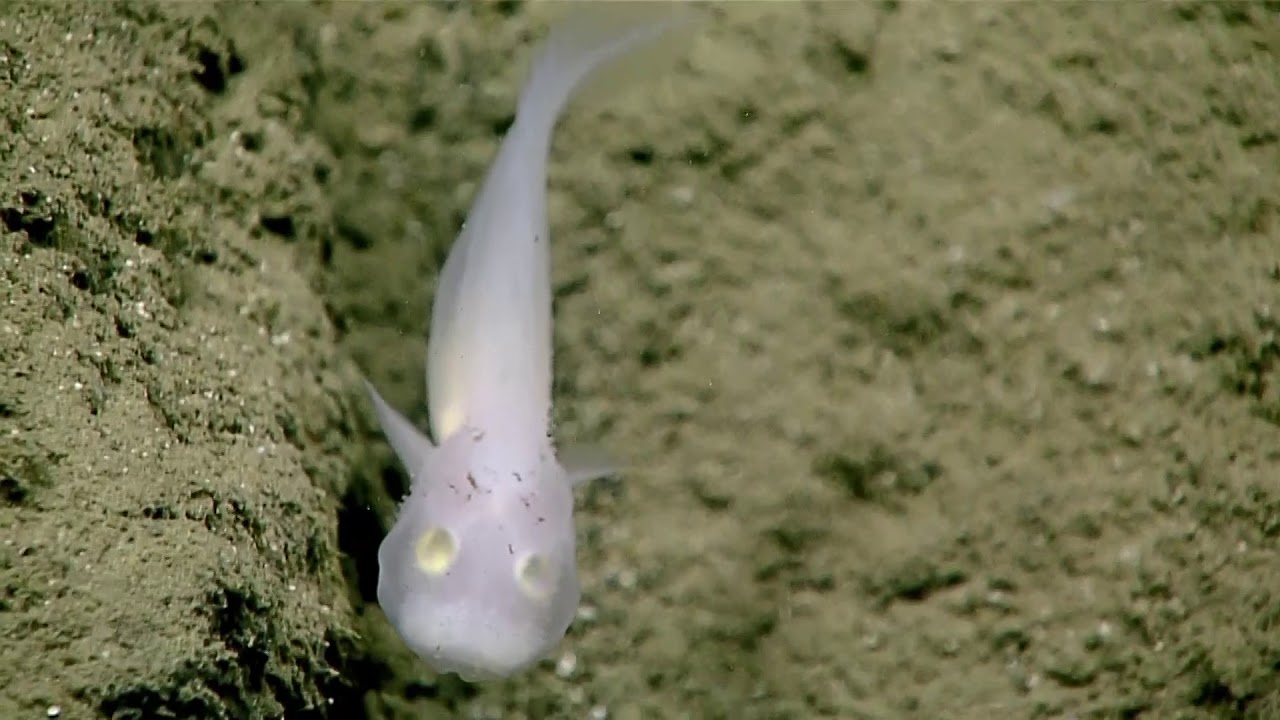
    The Channichthyidae, better known as Icefishes, are a mysterious and captivating species of fish found in the Southern Ocean surrounding Antarctica. These ghostly creatures are unlike any other fish in the world and have captivated the attention of scientists and nature lovers alike. With their translucent bodies and pale yellow blood, Icefishes are truly a sight to behold!

    These incredible fish have adapted to the harsh and extreme conditions of the Southern Ocean in some truly remarkable ways. They don’t have red blood cells like other fish, but their blood is rich in special proteins that allow them to absorb oxygen from the water, which is vital in the cold and oxygen-poor waters of the Southern Ocean.

    When it comes to social life, not much is known about Icefishes as they are elusive creatures that live in one of the harshest environments on Earth. They are typically found alone or in small groups and are not known to form large schools like other fish species.

    Breeding habits of Icefishes are also largely unknown, but it is thought that they lay their eggs on the ocean floor and the eggs hatch into larvae that drift with the currents. As they grow and mature, they become more independent and settle in deeper waters.

    The lifespan of Icefishes is still a mystery, but some species have been known to live for several years. Given their unique adaptations, it’s no surprise that these fish have developed some pretty weird and wonderful traits!

    One of the most bizarre and fascinating adaptations of Icefishes is their ability to produce antifreeze proteins. These proteins prevent ice from forming in their bodies, which is vital for survival in the icy waters of the Southern Ocean. This adaptation is truly remarkable and highlights the resilience and ingenuity of these amazing creatures.

    Whether you’re a scientist, nature lover, or just a curious individual, Icefishes are a species that will captivate and intrigue you with their ghostly appearance, remarkable adaptations, and mysterious ways. So, dive into the world of Icefishes and discover the wonders of the Southern Ocean!
  • The Komodo Dragon: The Largest Living Lizard on Earth!

    The Komodo Dragon: The Largest Living Lizard on Earth!

    By Collins Wafula

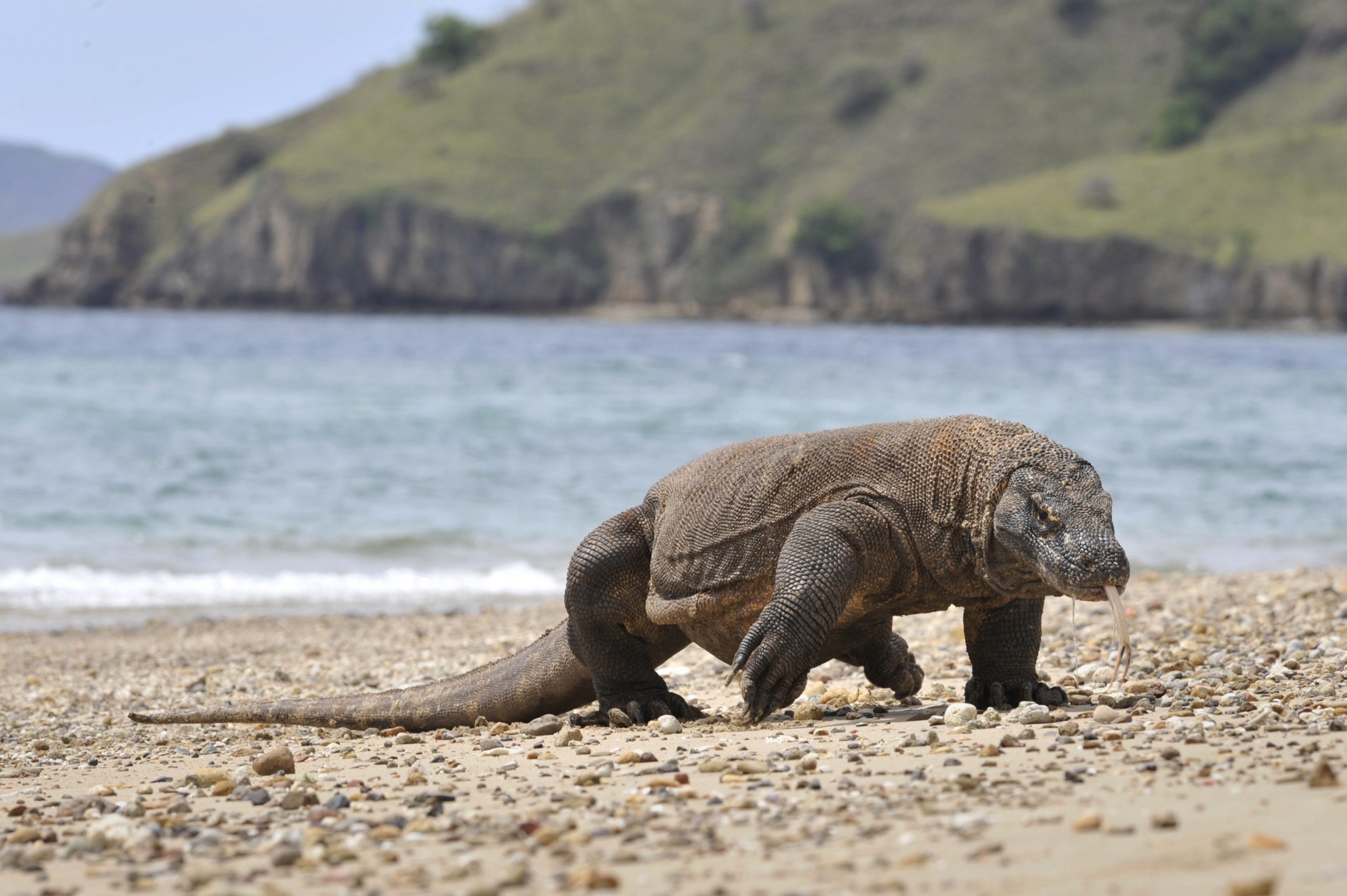
    If you’re looking for an animal that’s both fascinating and intimidating, look no further than the Komodo dragon. This massive reptile is not only the largest species of lizard on Earth, but it’s also one of the most fearsome predators around. With its powerful jaws, sharp claws, and toxin-laced saliva, the Komodo dragon is a force to be reckoned with.

    Found exclusively on the Indonesian islands of Komodo, Rinca, Flores, Gili Motang, and Padar, these reptiles have been around for millions of years, surviving through the ages and evolving into the dominant predators they are today. Growing up to 10 feet in length and weighing over 300 pounds, the Komodo dragon is truly a giant among lizards.

    What makes these creatures even more impressive is their hunting abilities. The Komodo dragon has a keen sense of smell and can detect its prey from miles away. Once it’s found its target, it will stalk it quietly and then pounce with lightning speed, delivering a fatal bite with its powerful jaws. And if the initial bite doesn’t kill its prey, the bacteria in its saliva will finish the job, making the Komodo dragon one of the few venomous species of reptiles.

    But despite their reputation as fearsome hunters, Komodo dragons are also known for their intelligence. These lizards are capable of using their tails and tongues to communicate with each other, and they have been observed using tools, such as using their tails to knock over branches to reach food. They also have a social hierarchy and will engage in physical displays to establish dominance among their peers.

    If you’re lucky enough to encounter a Komodo dragon in the wild, it’s important to treat them with respect. While they’re not typically aggressive towards humans, they will defend themselves if they feel threatened. And if you do come face to face with one of these giant lizards, take a moment to appreciate their size, power, and intelligence. The Komodo dragon is truly a remarkable creature that’s survived through the ages and continues to thrive in its natural habitat.

    In conclusion, the Komodo dragon is an amazing animal that should be respected and appreciated for all that it is. Its sheer size and hunting abilities make it one of the most fearsome predators on Earth, and its intelligence and social behavior make it a truly unique species. So next time you hear about these giant lizards, remember that they are not just terrifying beasts, but fascinating creatures that are an important part of our planet’s ecosystem.

  • Mongoose: The Socialites of the Animal Kingdom

    Mongoose: The Socialites of the Animal Kingdom

    By Collins Wafula

    Have you ever heard of the small, yet fearless creatures known as Mongooses? These fascinating animals have captured the hearts of people all over the world with their dynamic personalities and quirky habits. In this blog post, we’ll dive into the exciting world of Mongooses and learn about their social life, biology, and all the interesting facts that make them truly magnificent creatures.

    Social Life:

    Mongooses are highly social animals and live in groups ranging from 5 to 30 individuals. These groups are known as gangs, and they are lead by a dominant female. The members of a gang will work together to protect each other, hunt for food, and care for their young. Mongooses have a hierarchical social structure, with the dominant female at the top, followed by the dominant male, and the rest of the gang. The social bonds between mongooses are strong, and they will often engage in playful and affectionate behaviors, such as grooming each other and cuddling.

    Biology:

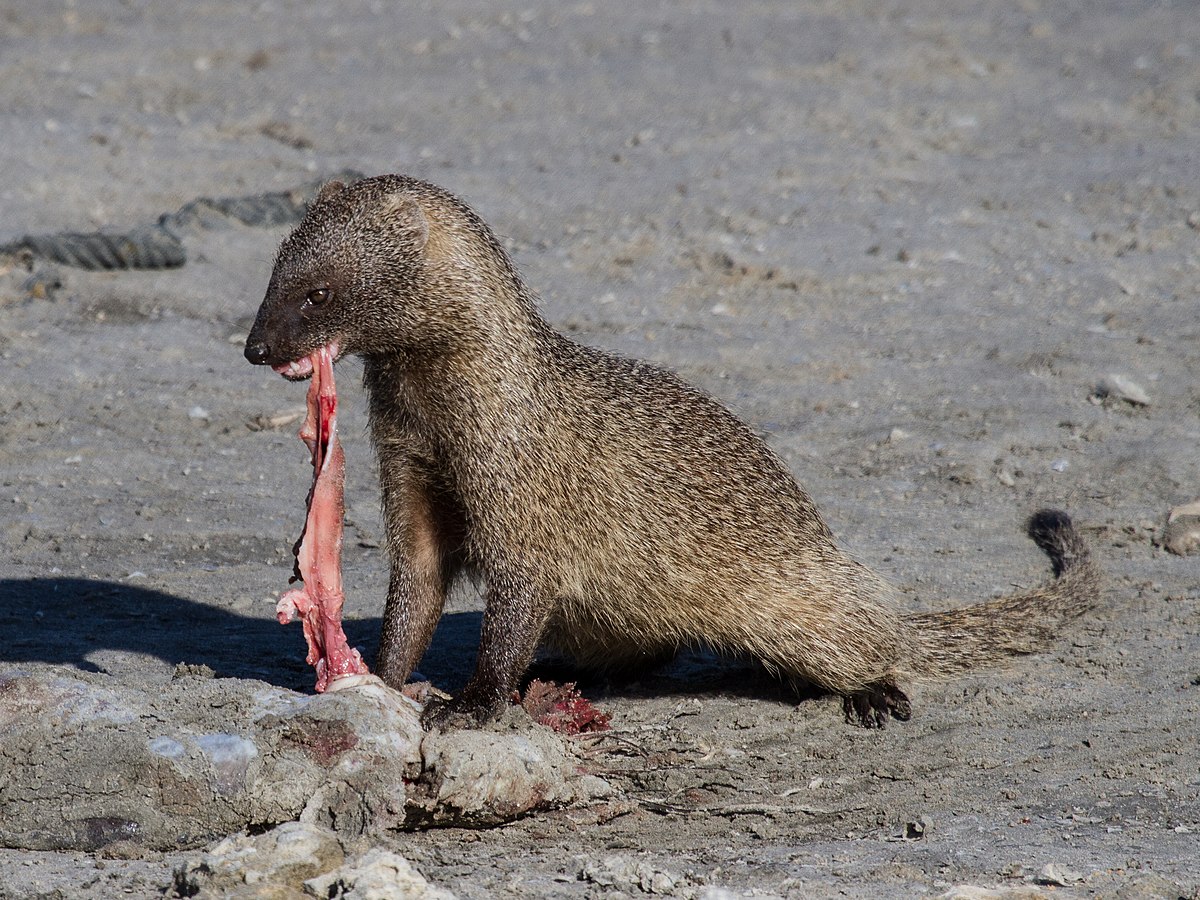
    Mongooses are small carnivores that belong to the family Herpestidae. They have long, slender bodies and short legs, and can grow to be anywhere from 7 to 24 inches in length. Mongooses have sharp teeth and claws that are adapted for hunting small prey, such as rodents, reptiles, and insects. They are also known for their lightning-fast reflexes and agility, which help them avoid danger and catch their prey.

    Interesting Facts:

    Mongooses are known for their fearlessness, and they are not afraid to take on predators much larger than themselves. They are famous for their ability to kill venomous snakes, such as cobras, and have been known to use their quick reflexes to dodge the snake’s strikes and kill it.

    Mongooses have a unique adaptation that allows them to resist the venom of venomous snakes. This adaptation is called mongoose serum, and it is produced by the liver and secreted into the bloodstream, where it neutralizes the venom.

    Mongooses are diurnal animals, meaning that they are active during the day and sleep at night. They are also opportunistic feeders and will eat anything they can catch, including fruits and vegetables.

    Mongooses have a high metabolism and need to eat frequently to maintain their energy levels. They have been known to consume up to one-third of their body weight in a single meal.

    Mongooses have a playful and curious nature, and they are often seen playing and exploring their surroundings. They are also known for their intelligence and problem-solving skills, and will often use their wits to find food and escape danger.

    In conclusion, Mongooses are truly magnificent creatures that are full of surprises. With their fearless personalities, social bonds, and unique adaptations, they are truly one-of-a-kind animals that are a joy to observe. So next time you come across a mongoose, take a moment to appreciate these amazing animals and all that they have to offer.

  • Fine urban interiors partners with DUSA for creative workshop

    Fine urban interiors partners with DUSA for creative workshop

    Luxury interior design company Fine Urban Interiors has partnered with the office of the Nairobi Campus Secretary to offer a creative workshop for students.

    The workshop aims to help students who are interested to learn more about the fields of content creation, digital marketing and real estate. Fine urban interiors are a construction company which majorly focuses on high end constructions with them specializing mostly in interior designs. The company has perfected the art of digital marketing and have managed to accumulate a huge following online. Currently their YouTube channel boasts of 91,200 subscribers with more than eight million total views.

     While announcing the partnership on Monday, Daystar University Nairobi Campus Secretary Newton Kamuyu acknowledged that the design company are the perfect partner for the workshop due to their digital marketing and content creation prowess.

    “Fine urban interiors have mastered the art of digital marketing, which has enabled them to amass a huge following online which in turn makes them a perfect partner to assist us in equipping our students with these skills which are ever more important in this modern world,” he said.

    Newton Kamuyu

    He went on to encourage students to enroll for the workshop which will be taking place this semester. “I really hope that many students will come and participate in order to learn about the content creation space. It is not everyday that you see a construction company manage to achieve the same level of digital success that fine urban has managed and I believe there is a lot to learn. During the workshop you can also learn more about the Kenyan real estate market as well as how to make luxury lifestyle content.” Apart from the workshop, the company will also be offering some slots for students to appear as casts in their real estate videos.

    Uptake in luxury lifestyle content

    In recent times there has been a serious uptake in luxury living content on Kenyan social media. The uptake has seen content creators who made different kinds of content toss their hats into the ring of luxury lifestyle content. A prime example is Seth Gor whose claim to fame was his comedic skits but in recent times has switched his focus to the lifestyle and fashion segment which seems to be very popular due to its able to attract advertisers and partners. This ability to rake in advertising money as well as collaborating with desirable brands has left many youths desiring to become content creators or as they are more commonly referred to as Influencers. It is in this niche that Fine Urban Interiors has managed to be successful as they showcase properties which they have managed to spruce up into spaces of luxury living.

    The company also tends to work with influencers and celebrities who are known for luxury lifestyle such as Ugandan celebrity Zari Hassan and Sheila Mwanyiga among others.

    The real estate content segment has also had a huge bump in popularity In the Kenyan space in recent times as Kenyans now desire to see homes that are in their neck of the woods as opposed to those far away in Beverly Hills.

  • Kenya faces a possible blacklisting by the European Union in light of widespread corruption

    Kenya faces a possible blacklisting by the European Union in light of widespread corruption

    The European Union (E.U) has threatened to bar Kenya from doing business with its member states as a result of corruption.

    This statement was made by the E.U Ambassador to Kenya, H.E Henriette Geiger who was speaking ahead of the Kenya E.U Business forum that will be hosted in Nairobi on 21st and 22nd February 2023. In her speech, Ms. Geiger said that it is in Kenya’s best interest to fight off corruption speedily because it may put off the investors. The ambassador also went on to add that Kenya is on the watchlist due to money laundering. This results in scaring off people from investing in the country.

    Ms. Geiger was reacting to the recent Corruption Perception Index (CIP) by Transparency International that was released on Tuesday, 31 January, 2023. Kenya came in at position 123 out of 180 globally with 32 points out of 100. This was an improvement from 2021’s results where we were at position 128 out of 180 with 30 points.

    The results also showed that Kenya’s score of 32 points was equal to the sub-Saharan average of 32 but was lower than the global average of 43. Therefore, being a point of concern since a score of less than 50, according to Transparency International, signifies high levels of public sector corruption.

    The CIP results indicate that corruption is still a major problem in our society. It has become so common to the point that it is almost normal. Corruption has undermined our country’s development and progress. It also takes many forms from petty bribery to large-scale embezzlement of public funds.

    One of the most evident types of corruption that we have all encountered at some point is petty bribery. This happens particularly in the public sector. People frequently pay bribes in order to access fundamental services like getting a passport or accessing medical care. This not only undermines trust in the government and public institutions but also unfairly burdens the most vulnerable and poor members of society.

    Another type of corruption that is widespread is grand corruption, in which powerful individuals embezzle huge sums of public funds.

    Fighting off corruption will require a multifaceted strategy where the government and the public actively collaborate to eradicate this plague. Together, we can make progress in Kenya so that corruption is no longer an obstacle to development. This will be tremendously beneficial for us as a country.

  • Meet The Hedgehog

    Meet The Hedgehog

    By Collins Wafula

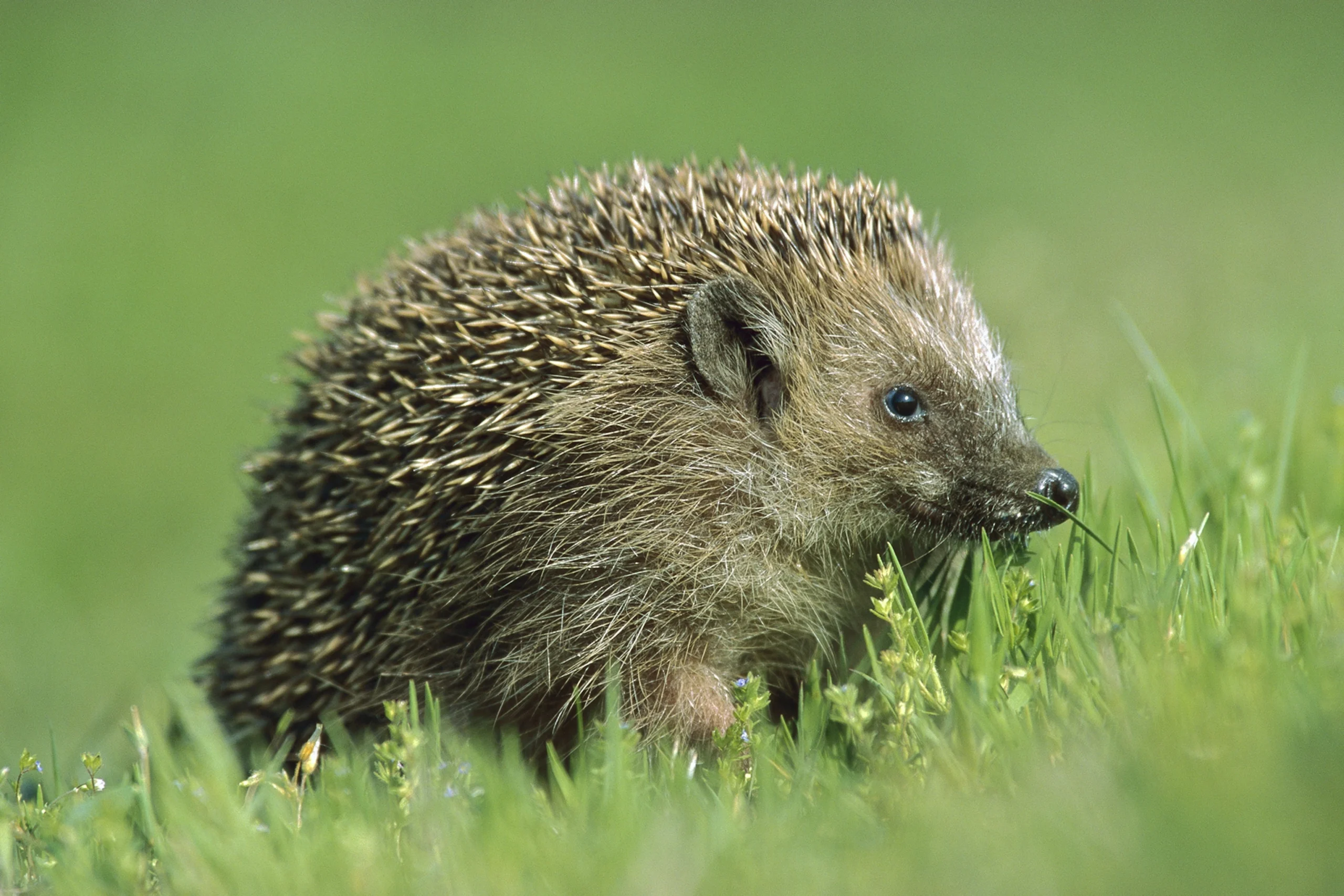
    Hedgehogs are some of the most fascinating creatures on the planet! With their spiky exterior and adorable faces, they have captured the hearts of many people around the world. But there’s so much more to these little critters than meets the eye.

    First of all, did you know that hedgehogs are actually part of the mammal family? They are closely related to porcupines and have been around for millions of years. They are native to Europe, Asia, and Africa and can be found in a variety of different habitats including forests, grasslands, and deserts.

    Hedgehogs are nocturnal animals, which means they are most active at night. They use their keen sense of smell to hunt for food, which can include insects, worms, and even small mammals. They are also known for their unique defense mechanism: when threatened, they will roll up into a tight ball, making it almost impossible for predators to grab hold of them.

    One of the most interesting things about hedgehogs is their spiky exterior. These spines are actually modified hairs that are incredibly strong and stiff. They are made of a protein called keratin, which is the same substance that makes up human hair and nails. These spines are not only used for protection, but they also play a role in helping the hedgehog regulate its body temperature.

    Hedgehogs make great pets, they are often kept as companion animals. They are very low maintenance, and they can be litter trained, and they are very active, so they will need plenty of space to run and play. They are also very sociable animals and enjoy spending time with their owners.

    In conclusion, hedgehogs are amazing creatures that are much more than meets the eye. With their spiky exterior, nocturnal habits and unique defense mechanisms, they are truly one of nature’s most fascinating creations. And with the rising popularity of keeping them as pets, we can all enjoy the company of these adorable little critters.

  • The African Wildcat

    The African Wildcat

    By Collins Wafula

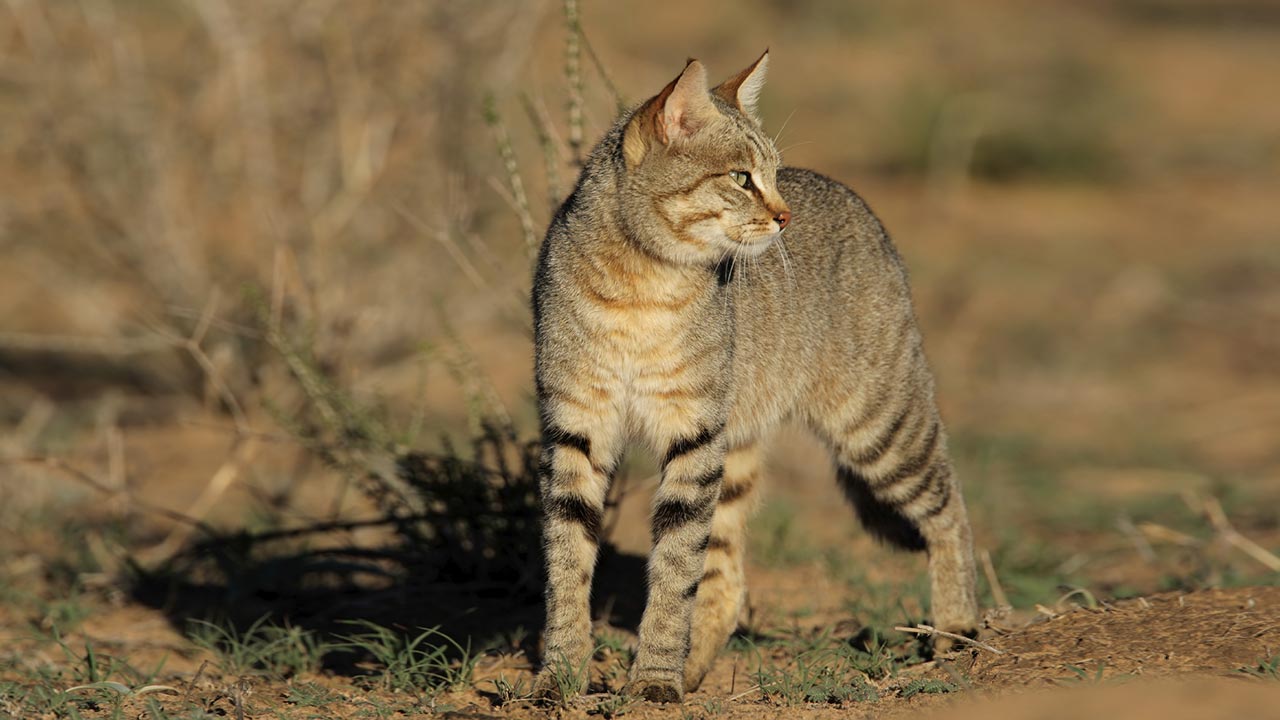
    Ladies and gentlemen, brace yourselves for the ultimate hunter of the savannah – the African Wildcat! This fierce feline is the undisputed king (or queen) of the African grasslands, and has been surviving and thriving in the wild for centuries.

    The African Wildcat is a small cat species, with a body length of up to 45 centimeters and a tail length of up to 30 centimeters. Its fur is usually a sandy yellow color, with black spots and stripes. It has large ears with tufts of black hair on the tips and sharp teeth and claws that are perfectly adapted to hunting its prey.

    But don’t let its small size fool you – the African Wildcat is a fierce predator that will take on anything it can catch. It’s a skilled hunter that can stalk and ambush its prey, and has a wide-ranging diet that includes rodents, reptiles, and small mammals. It’s also an adaptable hunter, able to survive in a variety of environments, from deserts to grasslands to forests.

    But the African Wildcat is not just a hunter, it’s also a survivor. It’s able to adapt to changing environments, and has even been known to thrive in areas with human activity. This adaptability, along with its generalist diet, has helped the African Wildcat maintain healthy population numbers, and they are not considered endangered by the International Union for Conservation of Nature (IUCN).

    But let’s not forget the African Wildcat is very closely related to the domestic cat, and in some places, interbreed with domestic cats, which can cause a threat to their genetic purity. So, it’s important to support conservation efforts that aim to protect the African Wildcat and its habitat, and to educate people on the importance of keeping their domestic cats indoors.

    In conclusion, the African Wildcat is the ultimate hunter and survivor of the African savannah. With its agility, speed, and adaptability, it’s a force to be reckoned with in the wild. So, let’s do our part to protect this fierce feline and ensure that its hunting skills will be admired for generations to come.

  • Discover The Thrilling World of Zebra: The Striped Sensations of the Savanna!

    Discover The Thrilling World of Zebra: The Striped Sensations of the Savanna!

    By Collins Wafula

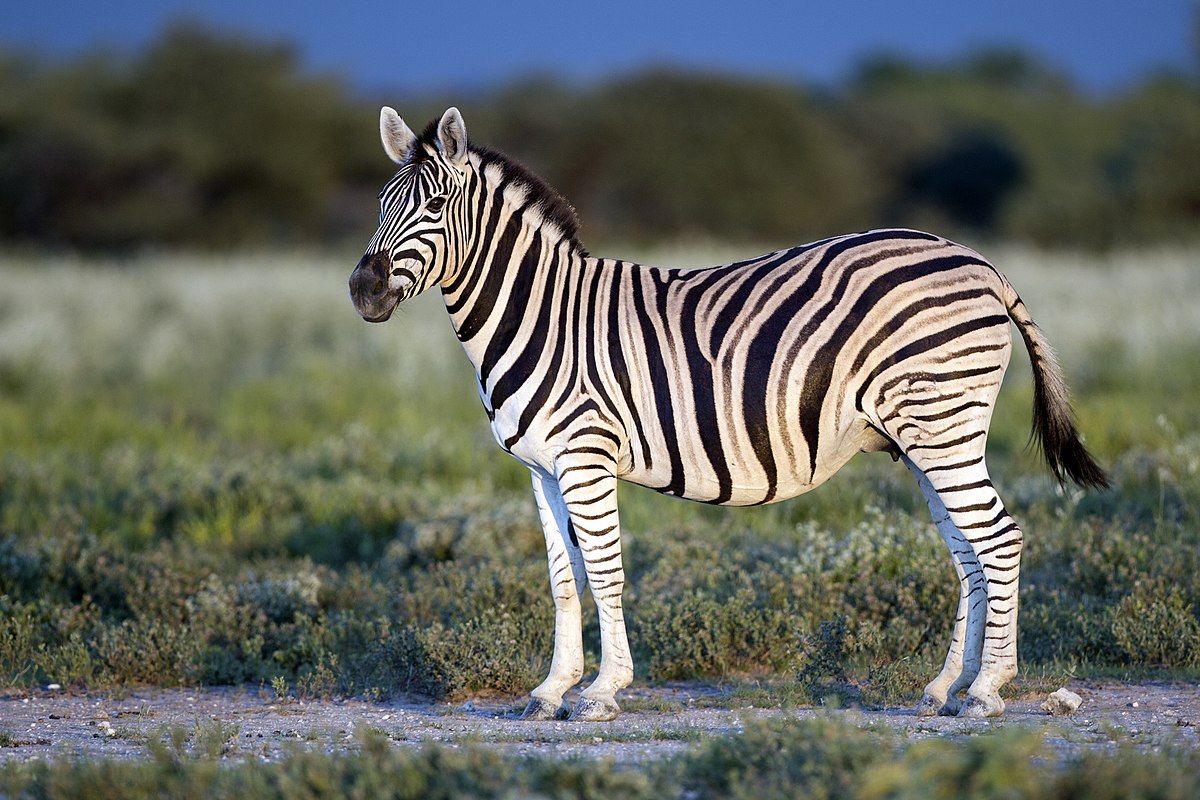
    Step into the wilds of Africa and meet the one-of-a-kind creatures that have captured the hearts of animal lovers everywhere. We’re talking about the bold and beautiful zebras, the equines with stripes that run deep. From their lush savannas and grasslands, these incredible creatures play a vital role in maintaining the delicate balance of their habitat.

    Feast on Fresh Grass: When it comes to fueling up, these herbivores take the cake! They’ve got a hearty appetite for all sorts of grasses and plants, and their ability to adapt to any environment makes them true survivors. In fact, they can go without water for long periods and still quench their thirst with the moisture in their food. Talk about impressive!

    Herd Up: Zebras love to socialize and they form tight-knit herds that bond together for life. Some herds are small and family-oriented, while others are massive gatherings of hundreds of individuals. These social creatures nuzzle, groom, and protect each other, creating a bond that’s unbreakable.

    Babies on the Way: When it’s time to make some new zebras, the breeding season is on! Female zebras reach sexual maturity at the young age of 2-3 years, while males wait until they’re 3-4 years old to join in the fun. The breeding season varies, but usually happens during the wet season, and after a year-long gestation period, a single foal is born. With the help of the herd, the mother raises her little one to be strong and brave.

    Weird and Wonderful: Here are a few zebra facts that will make your jaw drop:

    When danger threatens, these clever creatures form a defensive circle around their foals, tails facing outwards, making it impossible for predators to get through.
    Every zebra has a one-of-a-kind stripe pattern, just like a human’s fingerprint.
    With their excellent eyesight and agility, zebras are a tough catch for any predator.
    So buckle up, folks, and get ready for an exciting adventure through the world of zebras. From their feeding habits to their social bonds, breeding behaviors, and unique defense mechanisms, these stripe-wearing equines are truly a sight to behold.

  • Flying Fish

    Flying Fish

    By Collins Wafula

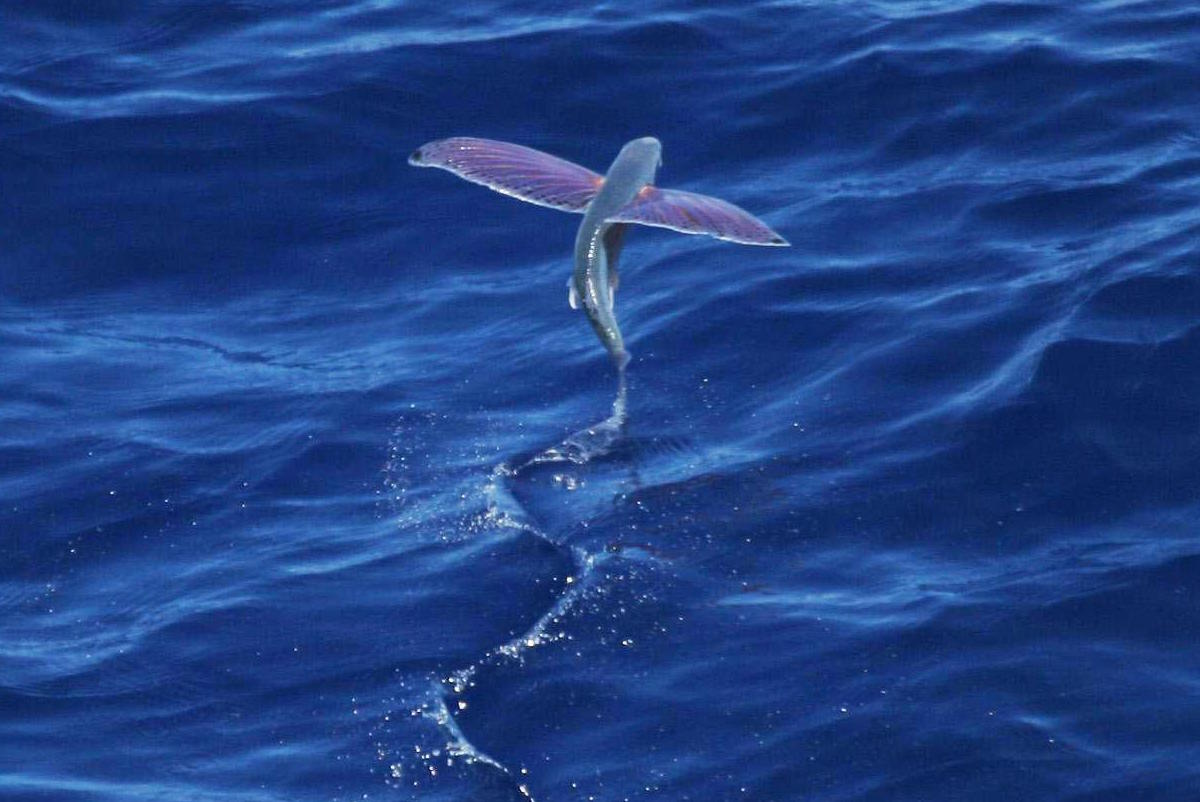
    Flying fish, also known as volitans or exocoetidae, are truly a marvel of nature. These incredible creatures are able to fly through the air, leaping out of the water and using their large pectoral fins to glide through the air at incredible speeds. In fact, some species of flying fish can reach speeds of up to 37 miles per hour and can fly for distances of up to 655 feet!

    But flying fish are not just fast, they are also incredibly diverse. There are about 40 different species of flying fish, which can be found in tropical and subtropical oceans around the world. Their body shape and size vary depending on the species, with some being as small as 5 inches long, while others can reach up to 16 inches in length. This diversity makes for a fascinating study of these amazing creatures.

    But what makes flying fish able to fly? It all comes down to their unique pectoral fins, which are specially adapted to allow them to fly. These fins are large and elongated, providing the lift and propulsion necessary for flight. Additionally, flying fish have a streamlined body shape that allows them to glide through the air with minimal drag.

    Flying fish are not just fascinating to watch, they also play an important role in marine ecosystem. They are a common food source for many marine animals, including tuna, marlin, and swordfish. They also provide food for seabirds and other sea creatures. This makes them a critical link in the ocean food web and an important part of marine biodiversity.

    In conclusion, flying fish are truly one of nature’s most incredible and fascinating creatures. Their ability to fly through the air is a marvel to behold and their diversity and importance in marine ecosystem make them an essential part of the ocean’s biodiversity. Next time you’re near the ocean, keep your eyes peeled for these amazing creatures, you won’t be disappointed!

  • East African Springhare

    East African Springhare

    By Collins Wafula

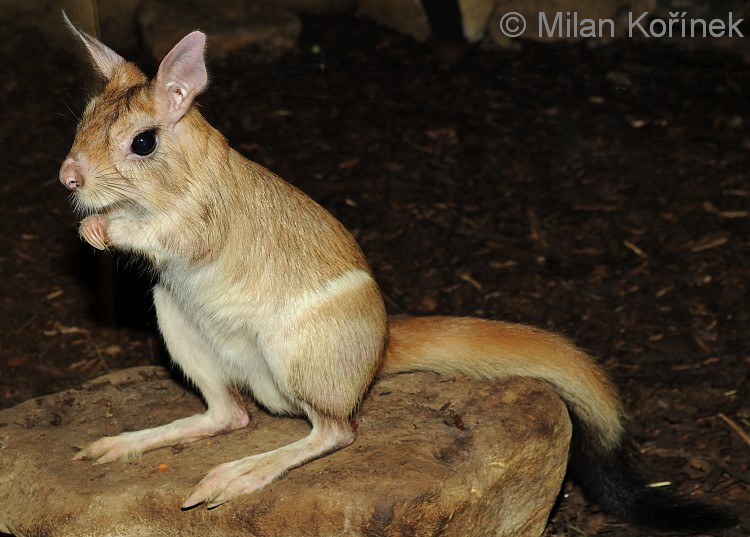
    Are you ready for a leap into the wild, wild world of the East African Springhare? This incredible rodent species is native to the savannas and grasslands of East Africa, and is known for its awe-inspiring jumping abilities. With long hind legs and large hind feet, the Springhare can bound through the savanna like a gazelle, leaving predators in the dust.

    The East African Springhare is a true marvel of nature, with a body length of up to 50 centimeters and a tail length of up to 30 centimeters. Its fur is a striking reddish-brown color, but can also be gray or black. With large eyes and ears and sharp claws on its hind feet, this animal is perfectly adapted for life in the wild.

    But the Springhare isn’t just a pretty face; it’s also an expert at survival. Active during the night, it feeds on a diet of grass, leaves, and fruits, and will even snack on insects and other small animals for a bit of protein. Although it’s a solitary animal, it can also be found in small groups.

    But the real magic happens when it comes to the Springhare’s breeding behavior. The females have a gestation period of only 12 weeks, and give birth to litters of up to four young. These little ones are born fully developed, with fur and open eyes, and are able to jump within minutes of being born. It’s like something out of a science fiction movie!

    Despite their incredible abilities and unique characteristics, the East African Springhare is not considered to be threatened by conservation groups. However, it is hunted for its meat and its habitat is being destroyed by human activities such as agriculture and urbanization. So, let’s make sure to keep an eye on these leaping wonders and do our part to protect them and their habitats.