Category: Features

  • Shrek 5 Trailer Review

    Shrek 5 Trailer Review

    By Joe Aura

    The much-anticipated Shrek 5 is officially set for release in December 2026, marking the return of the beloved green ogre after a 16-year hiatus. The trailer, however, has sparked mixed reactions, with fans divided over the updated animation style. While the star-studded cast of Mike Myers (Shrek), Eddie Murphy (Donkey), and Cameron Diaz (Princess Fiona) is back, the biggest surprise is Zendaya voicing Felicia, Shrek and Fiona’s now-grown daughter.

    A Long-Awaited Comeback

    Since its debut in 2001, the Shrek franchise has been a massive success, blending humor, satire, and heartwarming storytelling. The original Shrek won the first-ever Oscar for Best Animated Feature and grossed $487 million worldwide. The sequels—Shrek 2 (2004), Shrek the Third (2007), and Shrek Forever After (2010)—kept audiences entertained, while spin-offs like Puss in Boots ensured the world of Far Far Away stayed relevant.

    New Animation, New Concerns

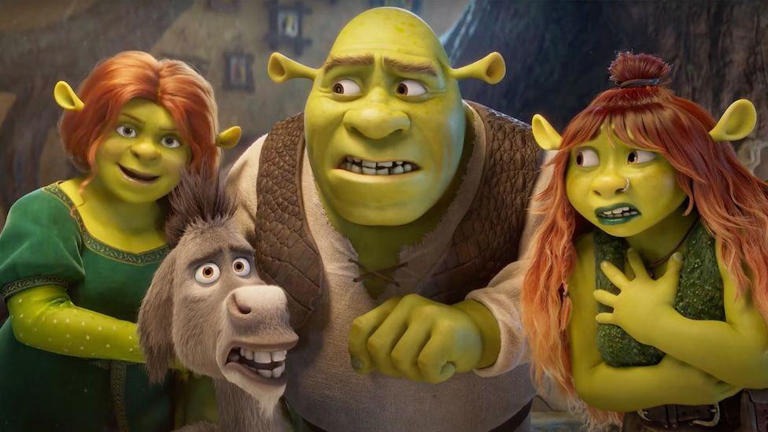
    The Shrek 5 teaser, lasting only 27 seconds, introduces updated character designs that have sparked controversy. Some fans feel the characters’ faces look rounder and more polished, leading to claims that the film has lost its original charm. Comments on social media have compared the redesign to the backlash surrounding Sonic the Hedgehog (2019), which had to be reanimated after fan outrage.

    Animation expert Oli Hyatt told the BBC that such reactions are common, especially for nostalgic franchises. “The generation that grew up with Shrek is now older, and there’s often a sense of ‘this isn’t what I knew.’ But advancements in CGI mean we get higher-quality visuals, making the world feel more tangible and immersive.”

    A Nostalgic and Fresh Cast

    One thing fans can agree on is the excitement of seeing the original cast back. Eddie Murphy, whose performance as Donkey has always been a fan favorite, recently hinted that the character could even get his own spin-off. The addition of Zendaya as Felicia introduces fresh energy to the franchise, and with DreamWorks’ history of weaving in pop culture references, there’s plenty of potential for modern humor and meme-worthy moments.

    Balancing the Old and the New

    The Shrek 5 trailer leans into its meme legacy, showing Shrek in glasses, dancing in a skintight catsuit, and flexing his muscles. These references will likely appeal to younger audiences while offering nostalgic laughs to longtime fans. Yet, the real test will be whether the film maintains the balance of humor, heart, and adventure that made Shrek a cultural phenomenon.

    Final Thoughts: Should Fans Move On?

    As animation evolves, franchises must adapt. Movies like Spider-Man: Into the Spider-Verse, Entergalactic, Klaus, and Arcane have redefined animated storytelling with bold new styles. While I personally appreciate these advancements, I understand the hesitation to embrace a more “realistic” Shrek. Fans need to decide whether they want to hold onto the past or embrace this new era of animation.

    What do you think? Does the updated animation style excite or disappoint you? Either way, Shrek 5 is shaping up to be a major moment in animation history.

    References

    • BBC News. (2024). Shrek 5: Mike Myers, Eddie Murphy and Cameron Diaz to return for new film.

    • DreamWorks Animation. (2024). Shrek 5 official teaser trailer.

    • Collider. (2024). Eddie Murphy hints at a Donkey spin-off alongside Shrek 5.



  • Hollywood Hits That Became Financial Disasters

    Hollywood Hits That Became Financial Disasters

    By Joe Aura, aurajoe6@gmail.com

    Big-budget movies often promise spectacle, but some end up sinking entire studios. These films, despite grand ambitions, failed at the box office and led to financial ruin for their production houses.

    The Golden Compass (2007)

    New Line Cinema had high hopes for this adaptation of Philip Pullman’s novel, investing $180 million. However, it grossed only $70 million in the U.S., leading to the studio’s absorption by Warner Bros. The film’s failure was attributed to creative conflicts and a lack of appeal in the American market.

    It’s A Wonderful Life (1946)

    Now a beloved Christmas classic, It’s A Wonderful Life was a commercial disappointment upon release. The film’s dark themes deterred audiences, leading to Liberty Films’ financial collapse. Paramount Pictures later acquired the struggling studio, and the film gained its status only after entering the public domain decades later.

    Battlefield Earth (2000)

    John Travolta’s passion project, based on a novel by Scientology founder L. Ron Hubbard, was both a critical and financial catastrophe. Franchise Pictures, the studio behind it, inflated its $73 million budget and faced legal trouble. The film’s failure, coupled with fraud allegations, led to the studio’s bankruptcy.

    Titan A.E. (2000)

    Fox Animation’s Titan A.E. flopped spectacularly, earning just $37 million against a budget exceeding $75 million. Despite featuring voice talents like Drew Barrymore and Matt Damon, the film’s underperformance forced 20th Century Fox to shut down its animation division just a week after the film’s release.

    Final Fantasy: The Spirits Within (2001)

    An ambitious attempt at photorealistic CGI, Final Fantasy: The Spirits Within cost over $137 million but earned only $85.1 million. The film’s financial failure led to Square Pictures’ collapse, ending its aspirations of revolutionizing animated storytelling.

    Looney Tunes: Back in Action (2003)

    Hoping to replicate Space Jam’s success, Warner Bros. Feature Animation centered this film on its iconic characters. However, it grossed only $68.5 million against an $80 million budget. The failure ended Warner’s plans for further Looney Tunes projects and led to the studio’s closure.

    Bangkok Dangerous (2008)

    Despite topping the U.S. box office, this Nicolas Cage action thriller had one of the lowest-performing opening weekends. It grossed just $42 million globally, leading its co-production company, Virtual Studios, to shut down due to financial strain.

    Life of Pi (2012)

    While Life of Pi won multiple Oscars and was a critical success, the visual effects studio behind it, Rhythm & Hues Studios, suffered financial losses. Unable to capitalize on its success, the studio declared bankruptcy shortly after completing the film.

    Superman IV: The Quest for Peace (1987)

    With a severely slashed budget, Superman IV was riddled with poor special effects and a weak storyline. Cannon Films, which backed the project, was deep in debt and eventually folded, later being acquired by Pathé.

    Lessons from Hollywood’s Costly Failures

    The downfall of these studios highlights the risks of filmmaking. Overspending, poor audience reception, and mismanagement can turn promising projects into financial disasters. While some films have found redemption over time, their studios were not as lucky.

    Sources:

    MSN Entertainment

    Mental Floss


  • Am I addicted to Coke?

    Am I addicted to Coke?

    By Samuel Owino

    DISCLAIMER: I do not promote or encourage addiction. This piece is satirical.

    This is a question I have been asking myself for the last year since I started using Coke. Not to be misinterpreted by cocaine, No! No! No! I mean the soda beverage Coca-Cola. I have been drinking way too much of it ever since I started intentionally minding the food I eat; that I learnt from my physical education class.

    I saw in an advertisement last year from the billboard that you can usually see from class at the DAC block when you are zoning out, or looking away from the lecturer so that they do not point at you to answer a question. Anyway on this billboard, it said, “Coca-Cola brings you happiness.” I thought about it for a long time and went out to test if Coca-Cola really brings one happiness.

    After that class, I bought a 500ml bottle of Coca-Cola soda and drank it with really high expectations: an instant mood booster, instant relief, and a moment of happiness, much like you see in the advertisements. I was extremely disappointed that none of these things happened even though I doubted that it would deliver.

    I kept buying Coca-Cola every chance I got to prove the advertisement right and over time it was the only soda I could have. I tried going back to the other sodas but none of them gave me satisfaction of any sort. This couldn’t be true, it didn’t bring me any happiness but it was a kind of bond I had established with this beverage. Soon after I was drinking this soda whenever I felt low, whenever I felt good, whenever I tried to avoid the temptations of trying alcohol. It was my go-to drink now.

    Being with my friends too made me realize this addiction. They are usually stunned by just how much soda I can have in a day. Just today, by 3 pm I had already had three cans of soda— I could start as early as 8 am— and this led me to reflect on how much of this soda I take.

    This also got me thinking about how far advertisement goes and its importance to the customer. I really did start drinking Coke because of an advertisement. I wonder how different my life would be if I had never been in a class in DAC and what other mediocre (in my opinion) drinks I would have been drinking. Would I have thought of them as mediocre? Would I even like soda at all?


  • World Radio Day: Master the Art of Broadcast Voicing

    World Radio Day: Master the Art of Broadcast Voicing

    By Joe Aura, aurajoe6@gmail.com 

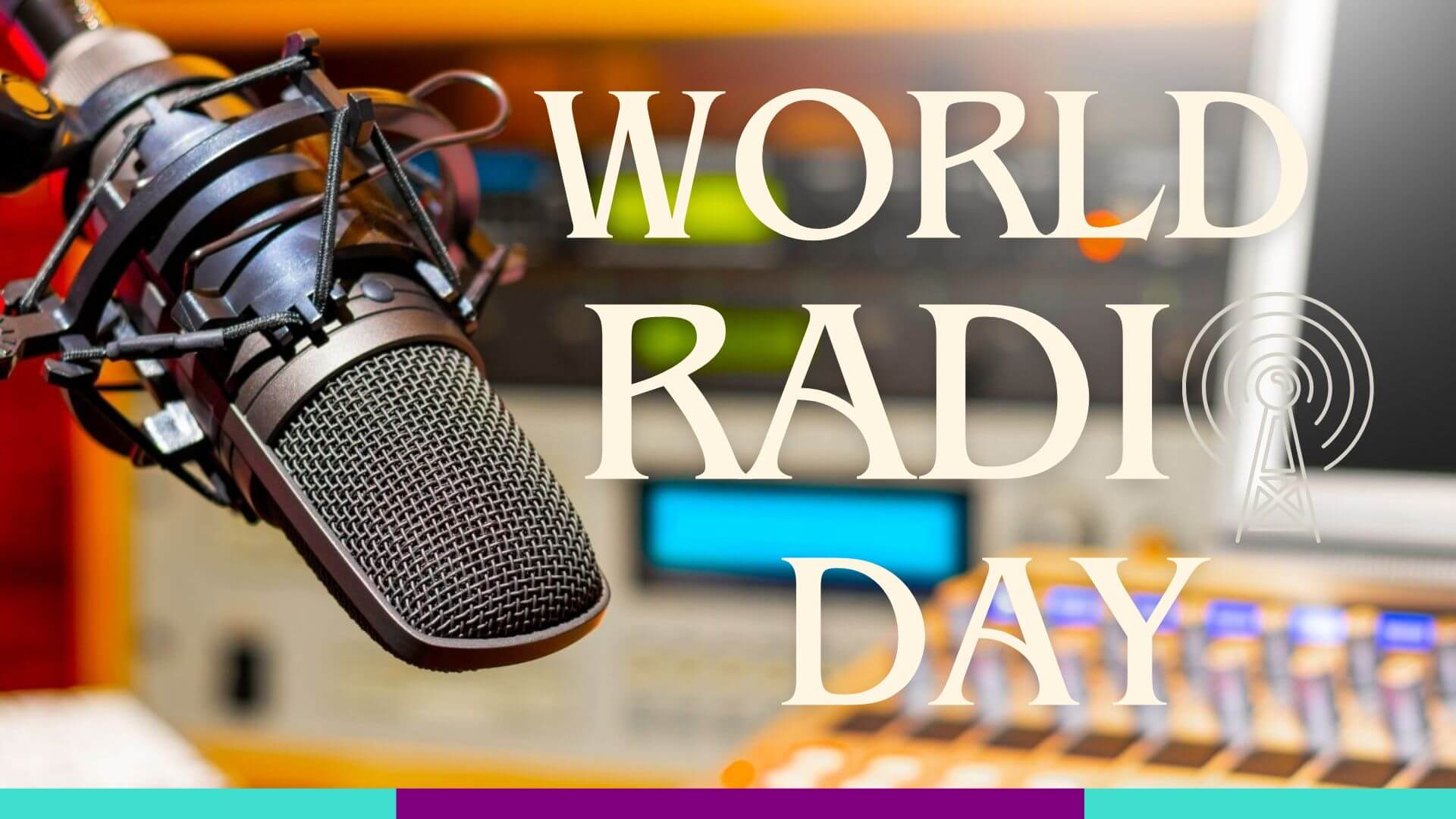
    World Radio Day, celebrated every February 13, highlights the power of radio as a tool for information, education, and entertainment. For journalists, effective voicing in broadcast is crucial to engaging audiences and delivering clear, compelling messages. Robert McLeish, in Radio Production, outlines the key principles of broadcast voicing, often referred to as the “Ps of Voicing.” These principles ensure clarity, engagement, and professionalism in on-air presentations.

    The main Ps of Voicing for Broadcast

    1. Pace

    The speed at which a presenter speaks must match the content and audience needs. A moderate pace enhances clarity, while variations in speed can add urgency (e.g., news reporting) or emphasis (e.g., storytelling).

    2. Pitch

    Variation in pitch prevents monotony and maintains listener interest. High pitch conveys excitement, while lower tones suggest authority and seriousness.

    3. Projection

    A strong, clear voice ensures a commanding presence. Proper breath control and diaphragm support enhance vocal projection without strain, essential for both studio and outdoor broadcasting.

    4. Pronunciation

    Clear articulation avoids confusion, especially in diverse audiences. Proper enunciation of names, locations, and technical terms ensures accessibility.

    5. Pause

    Strategic pauses enhance meaning and allow listeners to absorb information. Well-placed silence before key points builds anticipation and highlights important messages.

    6. Personality

    A broadcaster’s natural style fosters authenticity and engagement. The voice should reflect warmth, authority, or enthusiasm, avoiding robotic or artificial tones.

    7. Passion

    Emotion in delivery captivates audiences and enhances storytelling. A passionate voice conveys sincerity and credibility, essential in entertainment, sports, and inspirational content.


    Training Techniques to Improve Broadcast Voicing

    To master these principles, journalists must engage in continuous practice. Effective training techniques include:

    • Pace Control: Reading aloud with a metronome, recording, and timing speech.

    • Pitch Modulation: Practicing reading scripts with varying emotional tones.

    • Projection Enhancement: Engaging in diaphragmatic breathing and resonance training.

    • Pronunciation Drills: Using tongue twisters and slow, exaggerated enunciation exercises.

    • Pause Strategy: Marking pauses in scripts and practicing emphasis variations.

    • Personality Development: Speaking as if conversing with a friend and storytelling exercises.

    • Passion Building: Emotion mapping and emphasis variation to enhance engagement.

    As journalists celebrate World Radio Day, mastering the art of voicing remains a fundamental skill in broadcast media. Effective delivery enhances storytelling, maintains audience interest, and reinforces credibility. By integrating these principles into daily practice, broadcasters can elevate their craft and continue making radio an impactful medium.

    References

    McLeish, R. (2005). Radio Production. Focal Press.

    [Include any additional references in APA 7 style]


  • 109.111.43.224:59100:leofresko377:LsXmT7Embm

    109.111.42.8:59100:leofresko377:LsXmT7Embm
    203.27.70.193:59100:leofresko377:LsXmT7Embm
    45.140.211.130:59100:leofresko377:LsXmT7Embm
    193.124.16.12:59100:leofresko377:LsXmT7Embm
    86.38.177.202:59100:leofresko377:LsXmT7Embm
    188.255.196.205:59100:leofresko377:LsXmT7Embm
    185.13.225.37:59100:leofresko377:LsXmT7Embm
    45.10.156.46:59100:leofresko377:LsXmT7Embm
    95.135.59.67:59100:leofresko377:LsXmT7Embm
    178.95.123.220:59100:leofresko377:LsXmT7Embm
    94.154.42.204:59100:leofresko377:LsXmT7Embm
    209.101.128.235:59100:leofresko377:LsXmT7Embm
    209.101.128.167:59100:leofresko377:LsXmT7Embm
    45.10.156.213:59100:AdilsonKaprilies:GWaQq735M3
    45.10.156.228:59100:AdilsonKaprilies:GWaQq735M3
    188.255.196.196:59100:AdilsonKaprilies:GWaQq735M3
    188.255.196.210:59100:AdilsonKaprilies:GWaQq735M3
    188.255.196.185:59100:AdilsonKaprilies:GWaQq735M3
    209.101.128.108:59100:AdilsonKaprilies:GWaQq735M3
    64.81.190.143:59100:AdilsonKaprilies:GWaQq735M3
    209.101.128.105:59100:AdilsonKaprilies:GWaQq735M3
    209.101.128.145:59100:AdilsonKaprilies:GWaQq735M3
    64.81.190.90:59100:AdilsonKaprilies:GWaQq735M3
    31.59.237.31:59100:AdilsonKaprilies:GWaQq735M3
    213.209.130.238:59100:AdilsonKaprilies:GWaQq735M3
    77.90.178.125:59100:AdilsonKaprilies:GWaQq735M3
    191.101.127.124:59100:AdilsonKaprilies:GWaQq735M3
    185.241.150.141:59100:AdilsonKaprilies:GWaQq735M3
    151.243.174.196:59100:AdilsonKaprilies:GWaQq735M3
    151.243.174.185:59100:AdilsonKaprilies:GWaQq735M3
    151.243.174.158:59100:AdilsonKaprilies:GWaQq735M3
    151.243.174.31:59100:AdilsonKaprilies:GWaQq735M3
    151.243.174.37:59100:AdilsonKaprilies:GWaQq735M3
    64.81.190.136:59100:leofresko377:LsXmT7Embm

  • Film Review: The Brutalist

    Film Review: The Brutalist

    By Joe Aura, aurajoe6@gmail.com

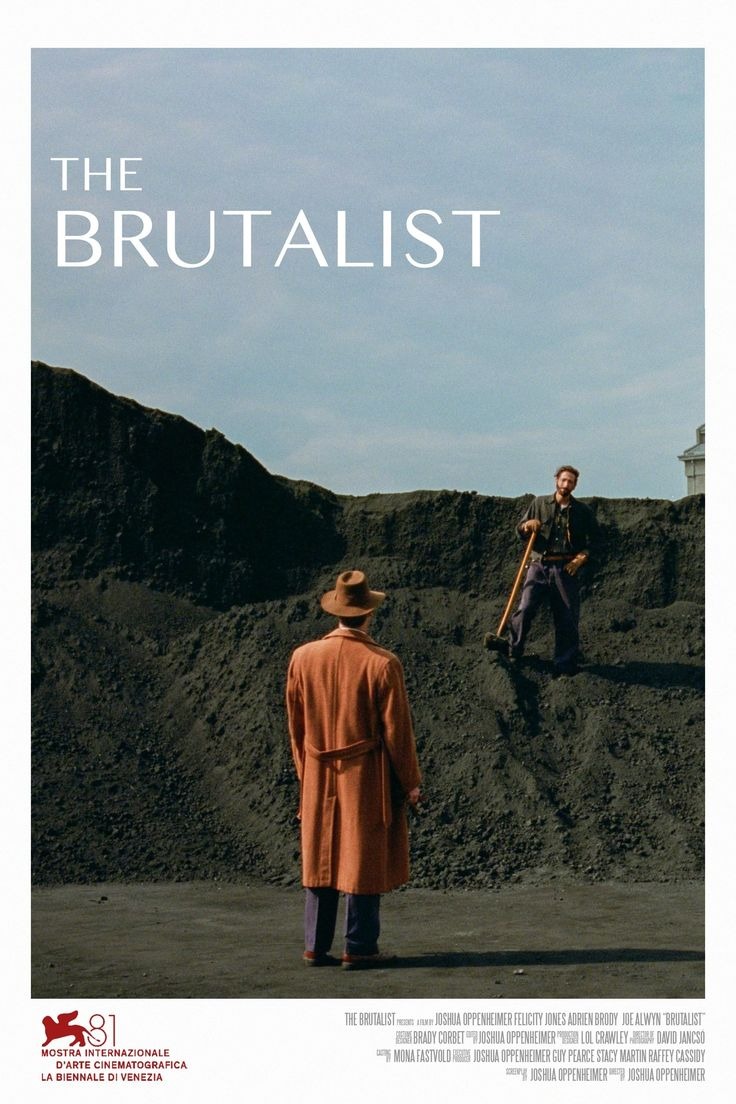
    The Brutalist is a cinematic masterpiece that has already cemented its place as one of the most talked-about films of the year. Directed by Brady Corbet, the film chronicles the poignant journey of László Tóth (Adrien Brody), a Holocaust survivor and visionary architect navigating the complexities of post-war America. With its emotional resonance, stunning technical execution, and a haunting score by Daniel Blumberg, The Brutalist has garnered significant acclaim and is poised to sweep the Oscars with 10 nominations, including Best Picture and Best Director.

    At its heart, The Brutalist is a story of resilience, identity, and artistry. László’s journey is both deeply personal and universally relatable, as he grapples with the trauma of his past while striving to honour his family’s legacy through architecture. Each structure he designs serves as a tribute to his memories, embodying the stark beauty and complexity of brutalist architecture itself.

    The narrative offers a vivid depiction of the societal and professional challenges faced by immigrants in a rapidly changing America. Corbet masterfully intertwines László’s architectural pursuits with his emotional struggles, creating a story that is as visually striking as it is profoundly moving.

    Adrien Brody delivers a performance as László Tóth, capturing the character’s vulnerability and determination with remarkable depth. Felicity Jones and Guy Pearce shine in supporting roles, adding emotional layers to the story. The cast’s collective brilliance elevates the film, making every moment resonate with authenticity.

    From its sets to its cinematography, The Brutalist is a film feast. The architectural visuals are breath-taking, showcasing rough textures, massive forms, and the dramatic impact of brutalist design. Daniel Blumberg’s haunting score, underscores the film’s emotional depth and leaves an indelible mark on viewers.

    Watching the trailer for The Brutalist reignited my love for brutalist architecture, a style that fascinates me for its rawness and functionality. It reminded me of Jabari’s loft apartment in Entergalactic, the Air Nomad temples 犀利士
    from Avatar: The Last Airbender, and my dream of living in a renovated factory surrounded by greenery. Brutalist architecture’s emphasis on rough surfaces, massive forms, and dramatic shapes makes it both imposing and beautiful, qualities that seem to parallel László’s character and journey.

    The Brutalist is more than just a film, it’s an experience that challenges, inspires, and moves its audience. Brady Corbet has crafted a story that is as monumental as the architectural style it celebrates. This is a must-watch for anyone who appreciates cinema that pushes boundaries and leaves a lasting impact.

    Rating: 9.5/10

    References

    • The Duke Chronicle

    • The Daily Utah Chronicle

    • USA Today


  • Wicked Review

    Wicked Review

    Wicked: Part 1 (2024) Review

    By Sean M. Pertet

    SPOILERS AHEAD !

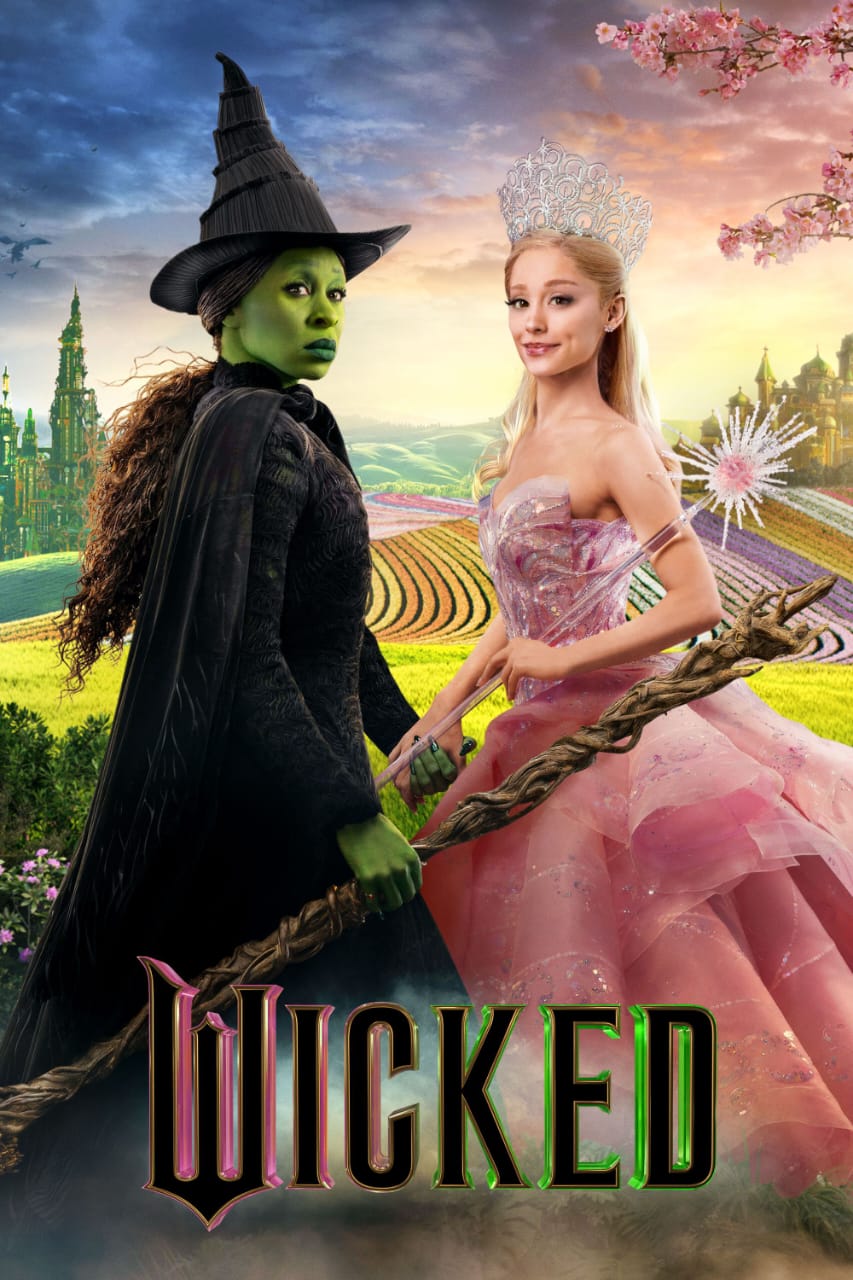
    Wicked Part One is a quirky musical that cleverly sews in comedy and drama. Directed by John.M. Chu, it follows Elphaba (Cynthia Erivo) a green girl who is bullied and scorned for her differences in the fictional and magical Oz. Additionally she has natural magical gifts that make objects defy gravity. Following the obvious complications of her childhood she is the least favorite child as her younger sister is dotted on and treated with much more affection than she is It also doesn’t help that her mother passed away, resulting in her father hating our lime-colored protagonist even more.

    Erivo’s character is sent to Shiz University where she is fated to stumble on the opportunity to study sorcery under the tutelage of Madam Morrible, (Michelle Yeoh) who mentors her. Promising an audience with the Wonderful Wizard of Oz ( Jeff Goldblum).

    A green fish out of water Elphaba Thropp challenges social norms, juggles romance, rivalry and friendship. Taking on the Shiz’s queen bee, Galinda and somehow becoming best friends in the process. A bit cliché. Also cliché is her and the beloved Glinda ( Ariana Grande-Butera) her new best friend ,falling for the same boy. The dangerous, devilishly handsome Prince Fiyero( Jonathan Bailey from Bridgerton). I bet no one saw that coming.

    Despite her wicked appearance, Elphaba takes every chance to show us that she has a strong moral compass. With Glinda by her side, she truly believes that there’s nothing in the world that they can’t face together. In that she is blatantly wrong.

    The final act of the film leaves everyone betrayed. Most especially Glinda and Elphaba.. Ultimately, these two brilliant young women must take stances casting them into their melancholic roles as : Glinda the good witch of the North and Elphaba the wicked witch of the west. Forced once more to play the roles society sets on their shoulders.

    One thing I did not like that much was that the music, as angelic as it was, predicted future events. Giving away plot details and robbing the award-winning film of any suspense. Many details of the film were hinted at in the musical numbers that were released for all to stream months before the film’s premier.

    Another fatal flaw was that they didn’t accomplish their premise in one movie. What made loveable Elphaba wicked? I don’t think that’s something you need two films to tell.

    Just as there were pitfalls the film had a few perks: One, the performances were enthralling to the very last sequence, saturated by an array emotion and hard work in the vocal industry that has earned it’s place in the forgettable history books.


  • The Most Anticipated Movies of 2025

    The Most Anticipated Movies of 2025

    By Joe Aura 

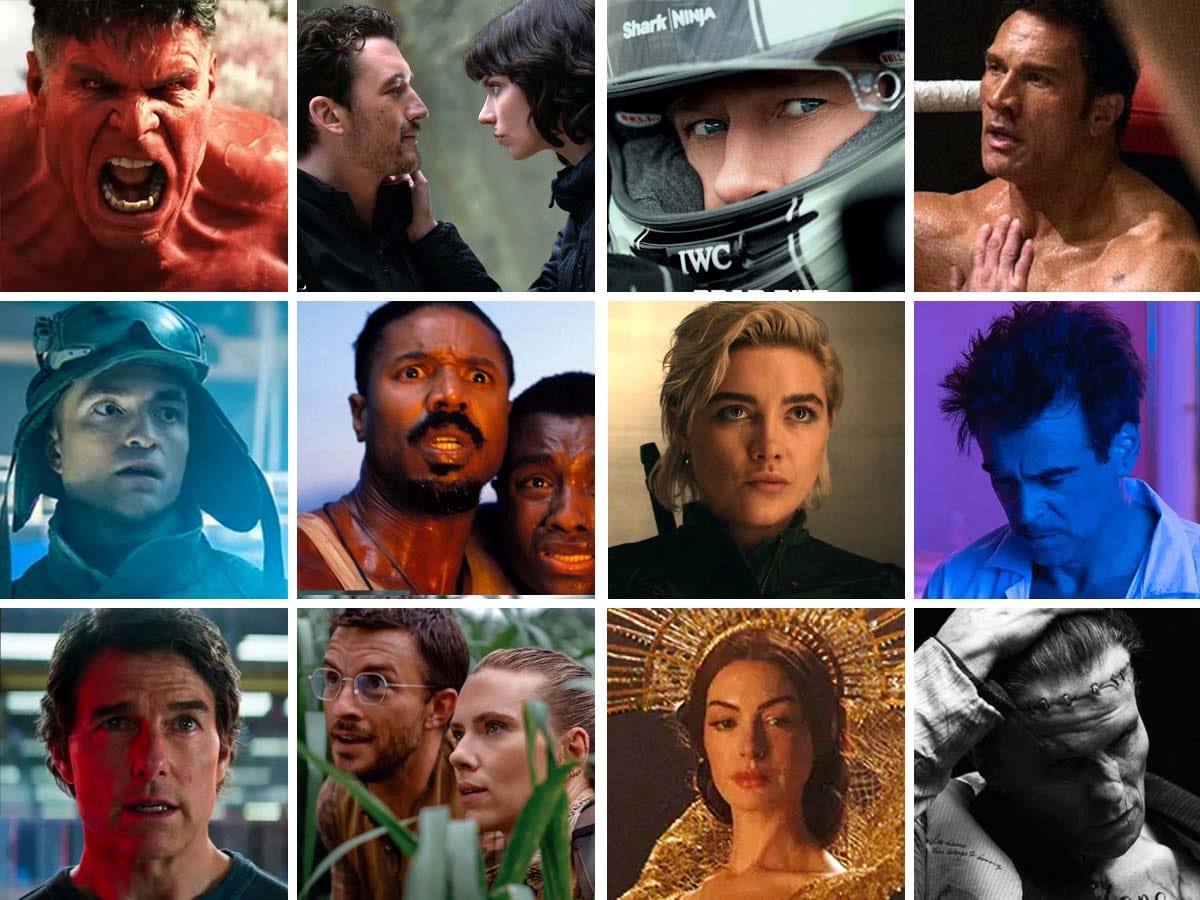
    The film industry continues its tradition of delivering blockbuster excitement, and 2025 is shaping up to be a year to remember. With a mix of thrilling sequels, nostalgic remakes, and fresh storytelling, this year’s lineup promises to captivate audiences worldwide.

    Here’s a glimpse at some of the most anticipated movies set to hit theaters and streaming platforms in 2025:


    February

    Captain America: Brave New World

    The iconic superhero takes center stage as Captain America embarks on a journey that explores his legacy, duty, and humanity in a rapidly changing world.


    March

    Snow White

    Disney’s beloved 1937 animated classic gets a live-action reboot. Fans are eager to see how this adaptation breathes new life into the timeless tale of the princess and her seven dwarfs.


    May

    Mission: Impossible – The Final Reckoning

    Ethan Hunt (Tom Cruise) returns for his most perilous mission yet, battling an evil AI in a race against time. Will this final chapter solidify the franchise’s legacy?

    Thunderbolts

    A group of supervillains, including familiar faces from the Marvel universe, team up for high-stakes government missions. Expect action, intrigue, and a few surprises.

    Lilo and Stitch

    Disney continues its trend of live-action adaptations with this heartwarming story about family, friendship, and an unusual extraterrestrial pet.

    Karate Kid: Legends

    This new chapter follows kung fu prodigy Li Fong as he navigates life in New York City. With the help of Mr. Han and the legendary Daniel LaRusso, Li learns to channel his strength in and out of the ring.


    June

    F1

    Brad Pitt stars as a retired Formula One driver mentoring a younger talent. High-speed action and emotional depth promise to make this film a thrilling ride.

    How to Train Your Dragon

    The beloved animated tale of Vikings and dragons gets a live-action adaptation. Fans will rediscover the story of a young Viking and his unexpected bond with a dragon named Toothless.

    M3GAN 2.0

    The killer doll is back! Following the success of the original, this sequel ups the ante with more thrills, chills, and killer dance moves.


    July

    Superman

    This reboot brings the Man of Steel back to his roots, exploring his journey to balance Kryptonian heritage with human values in a modern world.

    Jurassic World: Rebirth

    Five years after Jurassic World Dominion, scientists brave equatorial regions to extract DNA from prehistoric creatures for groundbreaking medical research. But nature always finds a way.

    The Fantastic Four: First Steps

    Set in a retro-futuristic 1960s, the Fantastic Four face their greatest challenge yet—saving Earth from Galactus and the enigmatic Silver Surfer.


    September

    The Bride

    In 1930s Chicago, Frankenstein’s monster finds a companion in this reimagined tale. Love, societal upheaval, and intrigue converge in this gothic romance.


    October

    Michael

    The King of Pop’s life takes center stage in this biopic, exploring Michael Jackson’s extraordinary talent and complex legacy.

    Tron: Ares

    Ares, a highly advanced program, escapes the digital world to complete a dangerous mission in reality. Expect groundbreaking visuals and a gripping story.


    November

    Wicked: For Good

    Dive into the untold story of Elphaba and Glinda, exploring their complex relationship and the events leading to The Wizard of Oz.

    Zootopia 2

    Brave cop Judy Hopps and her cunning partner Nick Wilde return for a perilous case that tests their friendship and courage.


    December

    Avatar: Fire and Ash

    The sequel to Avatar: The Way of Water promises more breathtaking visuals and an epic continuation of Pandora’s story.


    Frankenstein

    Guillermo del Toro’s adaptation delves deep into the monstrous and the human, as Dr. Pretorius continues Frankenstein’s experiments 40 years after the original tale.


    2025 is poised to be a cinematic extravaganza, with films that cater to every taste. From superhero epics to heartfelt dramas and nostalgic reimaginings, there’s something for everyone. Which movies are you most excited to watch?


  • Film Review: Kids (1995)

    Film Review: Kids (1995)

    Genre: Drama/Indie Film

    Duration: 1h 31m

    An Indie Film A Day, by Joe Aura, aurajoe6@gmail.com 


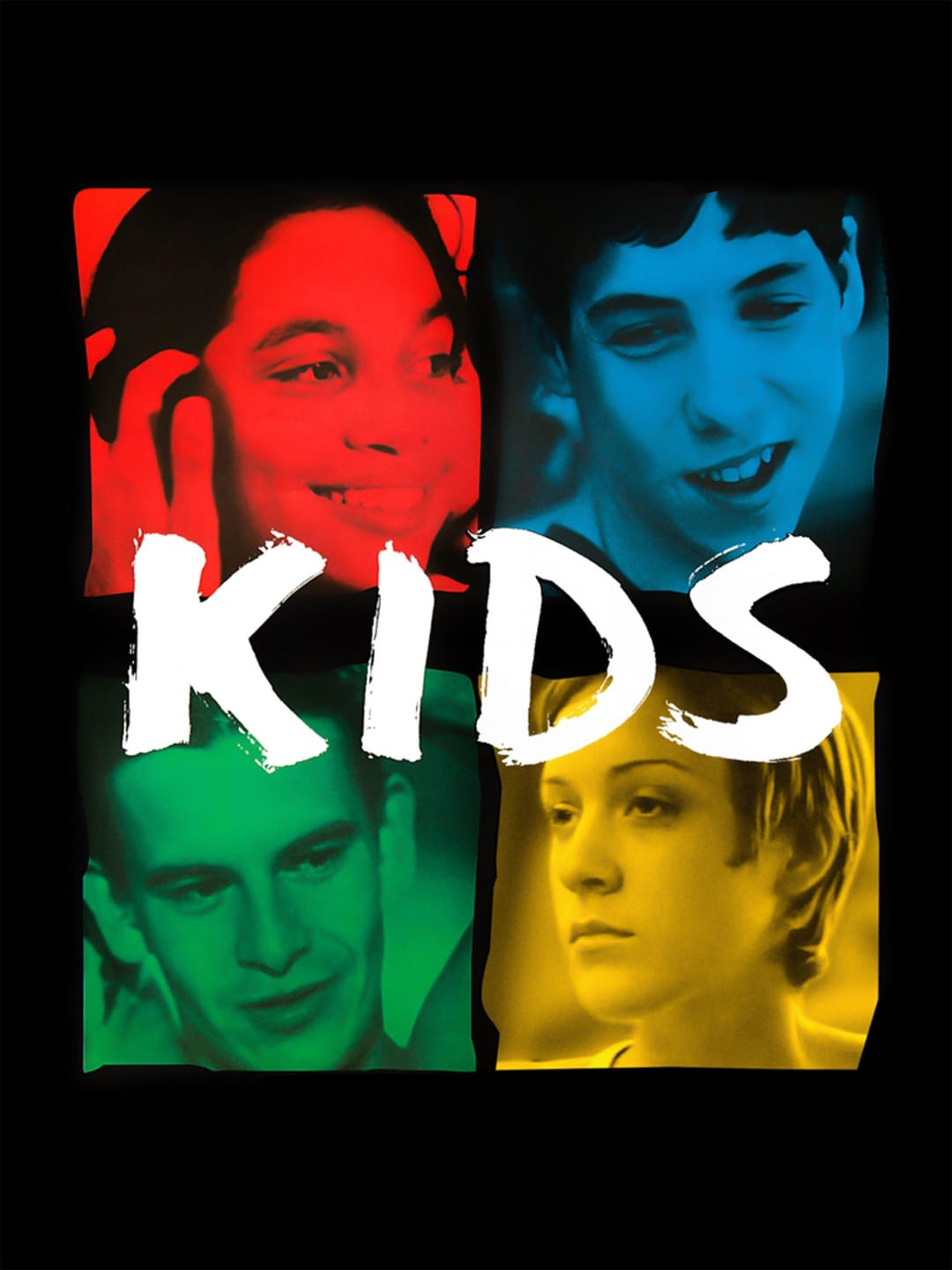
    Kids* (1995), directed by Larry Clark and written by Harmony Korine, is a raw and unflinching portrayal of teenage life in New York City. The film delves into controversial themes of youth, sexuality, drug use, and the consequences of a reckless lifestyle. With a Rotten Tomatoes score of 47%, an IMDb rating of 7/10, and a Metacritic score of 63%, Kids has divided audiences and critics alike.


    The film follows Telly (Leo Fitzpatrick), a manipulative and hedonistic teenager, as he pursues a predatory lifestyle of seducing underage girls. This unsettling character is the kind of figure parents dread—a “sex machine” exploiting naivety. Alongside him are other teenagers navigating a world rife with drugs, violence, and moral ambiguity. Rosario Dawson, discovered at just 15 years old, made her acting debut in the film, playing a role that mirrors the gritty reality of urban youth. Jenny, another pivotal character, brings emotional weight as she discovers her HIV-positive status and embarks on a desperate search to confront Telly.


    The film’s graphic depiction of teenage life sparked widespread controversy upon its release, earning an NC-17 rating for explicit content. Its unrelenting honesty makes Kids both difficult to watch and deeply impactful. It shines a harsh light on societal issues such as AIDS misconceptions, stereotypes, and the dangers of unchecked behavior among youth.

    Contrary to misleading synopses, the film does not explicitly state that Telly is aware of his HIV status, which is crucial to understanding his character’s oblivious recklessness. This narrative choice shifts the moral commentary, making the story even more haunting.


    Kids remains a cult classic of the 1990s, celebrated for its devastating honesty, brash violence, and brutal humor. It captures the stark realities of growing up in a world without boundaries, providing a snapshot of a generation often ignored by mainstream cinema. Its influence can be seen in later films like Mid90s and City of God, which also explore the struggles of youth with raw authenticity.


    Watching Kids is not an easy experience. It made me uncomfortable, but the ability to bring out that discomfort is precisely the beauty of the film—it forces viewers to confront difficult truths. This film opened my mind to controversial subject matters that demand discussion. While it’s not suitable for children, Kids is essential viewing for those interested in exploring the darker corners of youth culture and urban life.

    Larry Clark’s Kids is a cinematic punch to the gut—a film that doesn’t hold back, offering a brutal yet poignant exploration of adolescence. It’s a must-watch for anyone seeking a raw, realistic portrayal of the challenges and consequences faced by a lost generation.


  • Why Remove Set Books in Schools?

    Why Remove Set Books in Schools?

    By Malia Anam

    Have you heard that the KICD wants to make changes in schools? Not just any changes, but changes that involve removing set books in high schools. I don’t think this is a correct move because removing set books from the curriculum affects a lot of people, including students. Have you thought about students’ ability to analyze situations or even learn new vocabulary? Many set books also address critical issues in our country, like politics, FGM, and so many other topics.


    Removing these books can limit students’ opportunities to develop critical thinking skills. Set books are essential for exposing students to complex themes, challenging narratives, and diverse perspectives. Eliminating them would reduce students’ exposure to cultural and historical contexts, leaving them less equipped to understand and relate to past events. It would also diminish their readiness for college and careers. Many colleges value a strong foundation in literature, and these books introduce students to various literary forms and writing styles.


    Without set books, students will miss out on important discussions and opportunities to reflect on human nature and societal values. Studying set books helps students learn advanced language structures and literary devices, which may be less emphasized in alternative materials. Removing them could negatively impact students’ language development and their ability to express complex ideas.


    The effects of removing set books go beyond just students. Have you thought about what will happen to literature teachers? Some may lose their jobs, especially if literature is their main subject. It would also increase teachers’ workload, as they would have to find new materials and develop new lesson plans, which could vary widely in quality.


    There’s also the impact on the writers of these books. Removing set books from the educational list would reduce demand, affecting writers’ income. Writers’ contributions to literature and culture may fade, diminishing their legacy over time. There would be fewer opportunities for readers to study and discuss an author’s work deeply. By discouraging the study of these texts, we may also discourage writers from tackling important social issues.


    Removing set books impacts not only writers’ financial stability but also their cultural significance and the role they play in shaping thought and literature. Removing them would strip students of valuable perspectives and diminish our literary heritage. For all these reasons, I strongly believe the KICD should preserve set books in our schools.