Category: Features

  • Reflection on Elderly Abuse in Kenya: A Call for Action and Reform

    Reflection on Elderly Abuse in Kenya: A Call for Action and Reform

    By Joe Aura, Aurajoe6@gmail.com

    Recent investigations by BBC Africa Eye have unveiled the disturbing and ongoing abuse of elderly individuals in Kenya, highlighting systemic issues affecting this vulnerable demographic. While Africa is often associated with its youthful population, the elderly remain among the most marginalized and mistreated in society. The investigative reports offer an eye-opening glimpse into the harrowing reality that older adults face in Kenya. These reflections are not only important but urgent in the fight for their rights and protection.

    One report, centred on the rising tide of witchcraft accusations, particularly in Kenya’s coastal regions, highlighted how vulnerable the elderly are in rural areas. In Kilifi, accusations of witchcraft often become a tool for personal gain, including disputes over land ownership. The tragic story of seventy-four-year-old Tambala Jefwa, who was attacked twice by his relatives under the guise of witchcraft accusations, stands as a powerful testament to the abuse. These accusations are not typically grounded in traditional beliefs but are driven by greed and power struggles within families. For Jefwa, his torment was rooted in an inheritance conflict, a reality that many elderly people across the country face. This case is not an isolated one, many elderly individuals live in constant fear of being ostracized, assaulted, or even killed under the guise of witchcraft.

    The second report, which uncovered abuse and neglect in Nairobi’s care homes, brings another dimension to the issue of elder abuse. Undercover footage from the Presbyterian Church of East Africa Thogoto Care Home showed staff members abusing residents, neglecting their medical needs, and maintaining unsanitary conditions. These shocking findings revealed a deep failure in Kenya’s elder care system. It is appalling that the very institutions meant to care for our elderly are instead perpetrating harm against them. The lack of proper regulations and oversight in care homes allows this mistreatment to persist, as there is often no one to advocate for the residents, many of whom lack family support.

    Both reports reflect a broader, systemic failure to protect the elderly in Kenya, and indeed, across much of the continent. The absence of strong legal frameworks, community protections, and societal respect for the elderly means that many older adults are left to suffer in silence. In rural areas, the elderly are vulnerable to abuse under the guise of cultural or traditional beliefs, and in urban settings, they face neglect in care homes meant to provide refuge in their twilight years.

    As I reflect on these two investigations, it becomes clear that much needs to be done to address these pressing issues. On the legal front, Kenya needs to implement stronger elder protection laws and ensure they are rigorously enforced. This includes cracking down on witchcraft accusations and introducing harsher penalties for those who exploit the elderly for personal gain. In the realm of elder care facilities, it is imperative that comprehensive reforms are made. Care homes must be subjected to regular inspections, and those found to be in violation of the basic human rights of elderly residents should face serious consequences.

    More importantly, these issues highlight a need for a cultural shift in the way society views aging. In many African cultures, aging is often associated with weakness, irrelevance, or even a burden to younger generations. This perspective needs to change, and a new narrative must be built around valuing the wisdom and contributions of the elderly. A society that neglects its elders is a society that has lost its moral compass.

    In response to the abuse highlighted in these investigations, it is crucial that communities take collective responsibility. Families and caregivers must be educated on the importance of elder care, not just as a familial duty but as a fundamental part of human dignity. Beyond that, there needs to be greater public awareness of elder abuse and neglect. This means calling out and addressing these injustices wherever they occur.

    As I consider the gravity of these reports and the stories they tell, I am reminded of the importance of fighting for the rights of the elderly. This issue cannot be swept under the rug any longer. The time for action is now. Through both legal reform and a cultural shift in how we view the elderly, Kenya and Africa at large can begin to address these systemic issues and offer the respect, care, and protection that the elderly deserve. This is not just a matter of social justice but a reflection of our shared humanity.

     

  • Decolonization Through Art: Reclaiming Identity and Shaping the Future

    Decolonization Through Art: Reclaiming Identity and Shaping the Future

    By Joe Aura, aurajoe6@gmail.com

    Decolonization remains a powerful and unfinished story, woven with struggles for independence, identity, and self-determination. From the historic European colonization of Africa to the ongoing political and cultural battles that continue today, the road to freedom has been long and challenging. But the story of decolonization is not just one of political shifts, it is also a tale of cultural reclamation. Art has emerged as a vital tool in this process, helping communities around the world challenge colonial legacies, reclaim their identities, and create more inclusive futures.

    Across the globe, art has proven to be an essential form of resistance. From the post-colonial artistic movements in Africa to Indigenous art in the Americas and Oceania, creative expression has been instrumental in the decolonization process. It serves not only as a reflection of cultural pride but also as a platform for marginalized voices to challenge historical injustices and imagine new futures. Art is not just about painting or sculpture, it is about reclaiming control over narratives, about resisting the imposed cultural dominance of colonial powers.

    The Global Fight for Independence

    European powers carved up Africa at the Berlin Conference of 1884-85, leading to the economic exploitation and political domination of African nations. The impact of colonization was felt deeply across the continent, where systems of governance, cultural practices, and education were all shaped to serve colonial interests. The struggle for independence was long and hard-fought, with key figures like Ghana’s Kwame Nkrumah leading the charge against imperial powers.

    Nkrumah’s leadership, especially as Ghana became the first African nation to gain independence in 1957, was pivotal. His vision for an African renaissance tied independence not just to political autonomy but also to cultural restoration. Nkrumah’s Ghana was seen as a beacon of hope for African liberation, inspiring other nations to follow suit. The struggle for self-determination was not just political, it was also cultural, as African countries sought to reclaim their cultural heritage from centuries of colonial erasure.

    In many ways, the decolonization of Africa was a direct response to these historical wrongs, fuelled by a desire for freedom and cultural autonomy. Yet, the remnants of colonialism still affect these nations today. Many territories remain in the form of non-self-governing territories (NSGTs), and Africa continues to fight for more equitable representation on the world stage, particularly within the United Nations Security Council.

    Art as a Vehicle for Resistance and Identity

    Art has always been an essential form of resistance. It has allowed societies to express dissatisfaction with colonial rule, preserve traditional practices, and even challenge the very foundations of colonialism. In Africa, the role of art in decolonization has been significant, from the visual arts to music, literature, and performance. These forms of expression became crucial in the reclamation of African identity.

    For example, Nigerian writer Chinua Achebe’s novel Things Fall Apart (1958) critiqued colonial rule and its devastating impact on traditional Igbo society. Achebe’s work was more than just a story; it was a resistance to the colonial narrative that had often depicted Africans as “savages” in need of Western civilization. By writing from an African perspective, Achebe redefined how the world viewed Africa and its people.

    Similarly, South African musicians like Miriam Makeba and Hugh Masekela used their music as a tool for protest during the apartheid era. Their songs expressed resistance to colonial oppression and later to apartheid, using music as a means to tell stories of hardship, pride, and resilience. Art provided a platform to demand political freedom, but it also created a space for communities to assert their cultural autonomy.

    One of the most notable examples of art as a vehicle for cultural restoration is the Sankofa movement, which advocates for the return to African roots. This concept, embodied in various forms of African art, literature, and performance, encourages a revisiting of African history and traditions to help build a better future. Artists in Ghana and beyond have embraced Sankofa as a way to preserve African heritage, restore cultural practices that were suppressed under colonial rule, and assert the importance of African identity in the global context.

    Decolonization in the Modern World: Art and Education

    Today, the fight for decolonization continues, not just in political arenas but also in cultural spaces. Education plays a key role in this ongoing struggle. Schools and universities in Africa and the Caribbean are beginning to incorporate decolonial curricula that explore colonial history and its modern repercussions. Students are not just learning about their history but are also engaging with how colonial legacies continue to shape their present lives.

    In countries like Kenya, universities have started to promote art as a form of resistance, with cultural hubs such as the Nairobi National Museum and the Go Down Arts Centre offering spaces for young artists to explore themes of decolonization. These institutions are not only preserving cultural heritage but also engaging in public dialogues about identity, power, and resistance. For example, contemporary Kenyan artists use mixed media to critique both the historical and ongoing impact of colonialism, drawing attention to issues such as land ownership, social inequality, and identity.

    In the Caribbean, art has similarly played a vital role in decolonization efforts. The work of Jamaican-born artist and writer Edward Kamau Brathwaite, for example, has emphasized the power of language and cultural expression in the post-colonial world. His concept of nation language, which refers to the use of African-influenced dialects, challenges the dominance of colonial languages and highlights the significance of local traditions in shaping modern identities.

    The Global Push for Decolonization

    While many African nations have gained independence, the decolonization movement is far from over. The fact that 17 territories remain non-self-governing and subject to the control of colonial powers highlights the continued struggle for true sovereignty. This issue is especially poignant in places like Western Sahara, which is still under dispute between Morocco and the indigenous Sahrawi people. The call for decolonization extends beyond Africa; in the Pacific, Indigenous groups are similarly calling for self-determination and cultural restoration.

    Art continues to play a pivotal role in these struggles for independence. Indigenous art forms in regions like the Pacific Islands and Australia, for example, have become tools for reclaiming land, language, and cultural practices that were systematically erased by colonization. Artists from these communities are now using their work to tell their stories, preserve their heritage, and resist colonial control over their cultural expression.

    Art as a Catalyst for Change

    Decolonization is more than just a political movement, it is a cultural one. Art, in all its forms, plays a crucial role in reclaiming lost identities, challenging colonial narratives, and imagining a future built on equality and justice. Whether in Africa, the Caribbean, or the Pacific, artists are at the forefront of this movement, using their creativity to assert cultural pride, critique historical wrongs, and pave the way for a more inclusive world.

    Through the lens of art, the decolonization process continues to unfold, offering new opportunities for intercultural dialogue, resistance, and healing. As this global movement progresses, it is clear that art is not merely a reflection of the past but a tool for shaping the future, one that values diversity, celebrates cultural heritage, and advocates for justice and self-determination on the global stage.


  • Wawira Njiru’s Fight Against Child Hunger

    Wawira Njiru’s Fight Against Child Hunger

    Transforming Lives Through Food for Education

    By Joe Aura, JoeAura6@mail.com

    In a world where millions of children still face hunger and malnutrition, one woman is making a significant impact in the fight against this silent crisis. Wawira Njiru, a Kenyan social entrepreneur, is at the forefront of efforts to combat child malnutrition in Kenya through her pioneering initiative, Food for Education. Her work is helping not only to address hunger but also to improve educational outcomes, creating a blueprint for a future where no child has to suffer from a lack of essential nutrients.

    The Crisis of Child Malnutrition in Africa

    Despite global efforts to combat hunger, millions of children, particularly in Africa, continue to miss out on the nutrients necessary for growth and development. According to a report by the Bill & Melinda Gates Foundation, over 400 million children worldwide are affected by malnutrition, leading to stunted growth, impaired cognitive abilities, and long-term health challenges. In Kenya, the statistics are alarming: one in four children under the age of five suffers from stunting, especially in rural areas where access to nutritious food is scarce.

    This widespread malnutrition undermines not only the health of children but also their potential. Malnutrition limits their ability to learn, participate in school activities, and break the cycle of poverty. The urgent need for effective, sustainable solutions to combat child hunger and malnutrition has never been clearer.

    Wawira Njiru’s Vision: Food for Education

    In the face of this crisis, Wawira Njiru founded Food for Education in 2016, a program aimed at providing nutritious, affordable meals to schoolchildren across Kenya. The initiative was born out of Wawira’s personal experiences and her desire to make a real difference in the lives of children affected by hunger. Since its launch, the program has provided over 50 million meals to schoolchildren, positively impacting their health, school attendance, and academic performance.

    Njiru’s approach is both innovative and cost-effective, with each meal costing as little as 3–4 US cents. This affordability has made the program one of the most scalable meal initiatives in the world. By working with local suppliers and focusing on locally sourced ingredients, Food for Education provides meals that are both nutritious and sustainable. But the impact goes beyond food, the initiative also plays a key role in improving school attendance and performance.

    “When children are well-fed, they perform better in school,” says Njiru. “They are more focused, healthier, and better equipped to learn.”

    Dishi Na County: A Partnership for Greater Impact

    Njiru’s latest initiative, Dishi Na County, launched in partnership with Nairobi County, is taking the Food for Education model to new heights. This ambitious program aims to feed 250,000 children daily, addressing hunger while also providing a platform for improving educational outcomes.

    Dishi Na County takes a technological leap by incorporating the Tap2Eat platform, allowing children to pay for meals with smartwatches. This innovative system makes the meal distribution process more efficient, minimizing barriers, and making it easier for families to access healthy meals.

    The program’s success lies in its ability to address several systemic issues at once: hunger, poor school attendance, and lack of resources. By providing consistent, nutritious meals, the program is helping to break the cycle of malnutrition and create a healthier, more productive future for children.

    The Personal Touch: Voices of Those Impacted

    To truly understand the importance of Food for Education and initiatives like Dishi Na County, it’s crucial to hear directly from those who benefit from it. Parents and children who have received regular meals through these programs share their stories of transformation.

    Jemimah, a mother of two in Nairobi, shares how her children’s performance in school has improved since joining the program. “Before, my children were often sick and couldn’t concentrate in school. Now, they are healthier and more focused,” she says.

    Similarly, Mwangi, a student at a local school, proudly recounts how receiving meals at school has allowed him to stay in class longer and perform better. “I feel strong when I eat at school, and I can study better,” he says with a smile.

    These personal stories illustrate how access to food can dramatically change a child’s daily life, academic performance, and ultimately their future.

    A Model for the Future

    Food for Education’s innovative model serves as a blueprint for addressing child malnutrition and food insecurity across Africa and beyond. The program has shown that with the right partnerships, technology, and a commitment to sustainable solutions, it is possible to create a future where no child is left behind due to hunger.

    Wawira Njiru’s dream is clear: to ensure that every child has access to nutritious food, a healthier future, and the opportunity to thrive. “The impact of providing a child with food goes beyond just filling their stomachs; it’s about empowering them to reach their full potential,” she says.

    As global efforts to combat malnutrition continue, initiatives like Food for Education are leading the way in demonstrating how scalable, cost-effective solutions can change the trajectory of millions of children’s lives.

    The Path Ahead

    The fight against child malnutrition is far from over, but Wawira Njiru’s work has shown that transformative change is possible. With continued support, innovative programs like Food for Education can help ensure that every child, no matter where they are, has the opportunity to grow, thrive, and succeed.


  • Africa’s Diplomatic Awakening: Time for a New Global Role?

    Africa’s Diplomatic Awakening: Time for a New Global Role?

     By Joe Aura, Aurajoe6@gmail.com

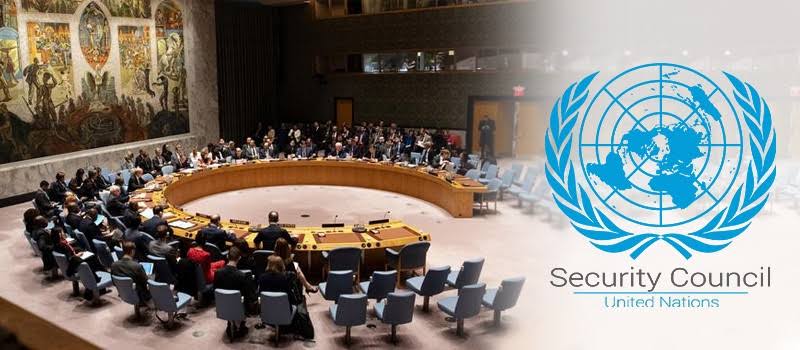
    In a historic turn of events, the United States has recently voiced its support for granting Africa two permanent seats on the United Nations Security Council (UNSC), a proposal that could shift the balance of global diplomacy. The Security Council, a vital institution in maintaining global peace and security, has been dominated by five permanent members, the U.S., the U.K., France, Russia, and China, since its formation in 1945. These nations not only hold permanent membership but also possess veto power, allowing them to block any substantive decisions. This structure, however, excludes a continent of more than 1.2 billion people, Africa, a region burdened with some of the world’s most pressing security challenges.

    Currently, African nations occupy three rotating, non-permanent seats on the UNSC, a limited role with no veto power. The U.S.’s recent endorsement for two permanent seats for African nations, albeit without veto power, has sparked debate across the globe. Some view this move as a step toward inclusivity, while others see the exclusion of veto power as a form of continued marginalization.

    The Case for Permanent African Representation

    Africa’s case for permanent seats on the UNSC is compelling, particularly as the continent’s geopolitical and economic influence continues to grow. From peacekeeping missions to economic partnerships, African countries play an increasingly central role in global governance. The growing number of conflicts in the region, from terrorism in the Sahel to ongoing instability in the Horn of Africa, further underscores the need for stronger African representation in global decision-making.

    Sierra Leone’s President, Julius Maada Bio, has voiced the importance of justice and equity in the UNSC’s decision-making processes. His position aligns with that of many African leaders who argue that Africa’s contributions to global security and economic growth justify its call for a stronger voice at the table. The challenge, however, lies in whether Africa’s inclusion in the Council will truly reflect a shift in global power or merely reinforce existing inequalities.

    The Growing Debate: South Africa vs. Nigeria?

    In the wake of the U.S. proposal, debates about which two African countries should receive permanent seats have taken center stage. Recent surveys reveal a preference for South Africa and Nigeria, with South Africa leading the charge. In the first round of voting, South Africa emerged as the top choice, securing 32.8% of votes, while Nigeria garnered 15.6%. Other notable contenders included Kenya, Egypt, and Ghana.

    The second round, conducted in October 2023, solidified South Africa’s position as the top contender, with 32.8% of respondents pairing it with Nigeria. The backing of both nations stems from their economic power and political influence. Nigeria, with its vast population and growing economy, has already asserted its claim. Foreign Minister Yusuf Tuggar highlighted Nigeria’s democratic credentials and its role as a leading force in African diplomacy, stressing that the country should be considered for a permanent seat due to its size, economic prowess, and democratic standing.

    South Africa, with its strong voice in African and global politics, also views itself as a natural choice for the seat. However, as Chrispin Phiri, spokesperson for South Africa’s Department of International Relations, suggested, while the survey results are interesting, it is too soon to make any conclusions about who should represent Africa on the Council.

    Unity and Challenges within Africa

    Despite the apparent unity in Africa’s call for a permanent seat, experts caution that there are complexities involved in choosing which countries should represent the continent. Priyal Singh, an analyst at the Institute for Security Studies in Pretoria, emphasizes that while South Africa and Nigeria are economic powerhouses, other nations such as Kenya, Egypt, and Ethiopia also have strong claims based on their regional and global influence.

    The African Union (AU) has made it clear that it expects its representatives to have veto power, particularly if the five existing permanent members retain theirs. Uganda’s Ambassador to the UN, Adonia Ayebare, has underscored that Africa will not settle for second-class treatment. “If there is a veto, why not have it?” he asked, reinforcing the idea that Africa’s status on the global stage should reflect its growing influence and not simply be a token gesture.

    What Does the Future Hold?

    The road to securing permanent seats on the UNSC will not be straightforward. The choice of which countries will occupy those seats, if the proposal passes, will ultimately be decided at an African Union summit. This decision will likely be a complex one, influenced by various factors, including population size, contributions to peacekeeping, and economic influence.

    Furthermore, it remains to be seen how the global community will react to Africa’s potential inclusion. While the U.S. has offered its support, other powers, particularly China and Russia, may have different priorities when it comes to expanding the Security Council. As U.S. Ambassador Linda Thomas-Greenfield noted, the proposal is a significant step forward, but challenges remain, especially regarding the question of veto power.

    In conclusion, the question of whether it is time for Africa to reshape global diplomacy is one that will have profound implications for the future of the UNSC and global governance. As the continent continues to grow in both power and influence, the call for stronger representation is becoming louder. But whether this will translate into permanent seats on the UNSC, and whether those seats will come with the veto power that Africa insists upon, remains to be seen. What is clear, however, is that Africa’s role in global diplomacy is poised to expand, and the world may be on the verge of a diplomatic shift that redefines international relations for the 21st century.


  • Big Data for Sustainable Development

    Big Data for Sustainable Development

    The Role of Technology in the Great Green Wall Initiative

    By Joe Aura, aurajoe6@gmail.com

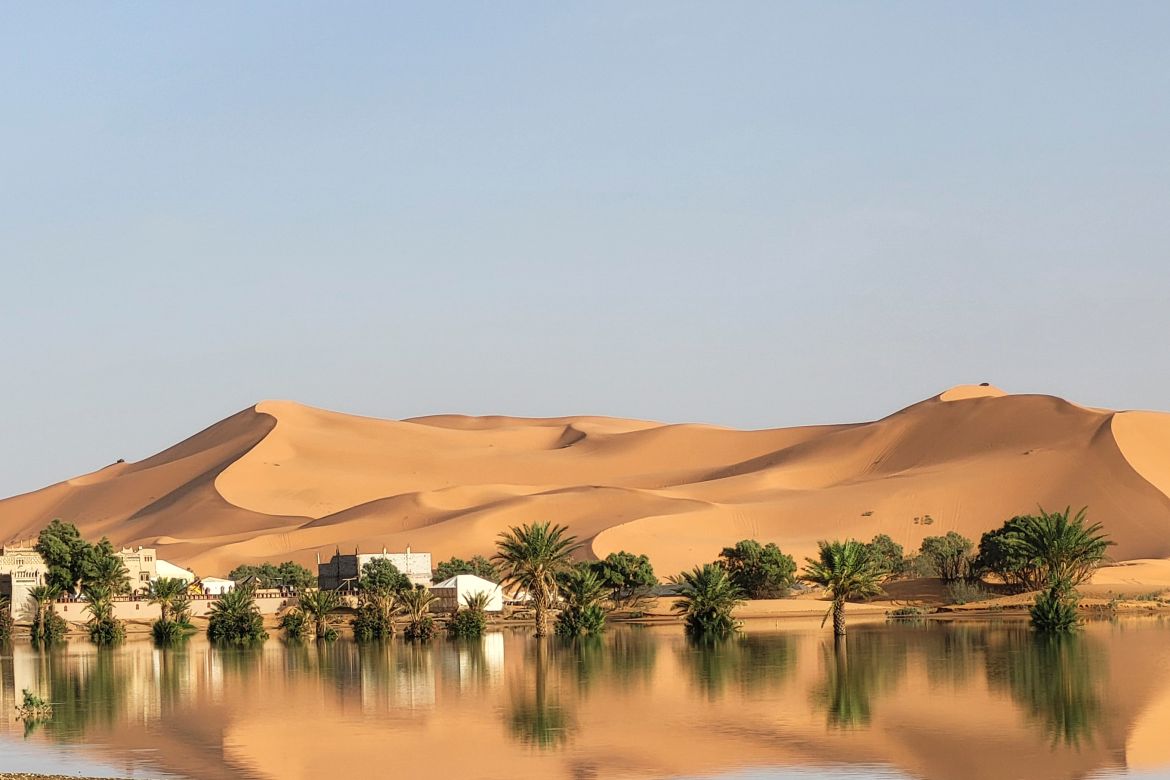
    The Sahara Desert, an expansive, arid expanse now synonymous with heat and desolation, was once a vastly different place. Thousands of years ago, it was a thriving, lush environment, teeming with hippos, giraffes, and even early human settlements. This transformation from a verdant landscape to the world’s largest hot desert is a tale of climate shifts, but it also serves as a potent reminder of the changing ecological dynamics we continue to face today.

    In this context, Africa’s Great Green Wall project stands as a powerful symbol of hope. Born out of the African Union’s vision in 2007, the initiative is not only an effort to combat desertification but also a holistic approach to sustainable development. Its goal is to restore 100 million hectares of land by 2030, creating a mosaic of green, productive landscapes across 11 Sahelian countries. It aims to stop the encroachment of the Sahara Desert, protect biodiversity, and enhance food and water security for millions of people living on the fringes of one of the world’s most fragile ecosystems.

    As the world grapples with the devastating effects of climate change, the Great Green Wall represents a beacon of resilience. However, one of the less visible forces driving this transformative project is big data, an essential tool in designing and implementing effective environmental interventions. Through the use of satellite technology, weather data, and soil analysis, big data enables stakeholders to make informed decisions, track progress, and adapt strategies for the restoration of vast, degraded landscapes. By providing critical insights into weather patterns, soil health, and the effectiveness of various restoration techniques, big data supports the fine-tuning of operations to ensure long-term sustainability.

    Unearthing the History of Climate Change

    Before delving into the role of big data in modern environmental projects, it’s worth taking a moment to reflect on the historical context that led to the Great Green Wall’s creation. As the video narrates, the Sahara was once home to diverse wildlife and ancient human communities, an ecosystem vastly different from today’s barren sand dunes. Ancient rock art, depicting giraffes, cattle, and hippos, serves as a poignant reminder that this vast region was not always the inhospitable desert we know today.

    Geologists and archaeologists have pieced together the story of the Sahara’s transformation, linking it to changes in Earth’s orbit and the onset of the African Humid Period, which occurred between 15,000 and 5,000 years ago. During this time, the Sahara was lush, wet, and home to thriving ecosystems, a stark contrast to its present state. This historical insight has been crucial in understanding how climate change affects large regions and why projects like the Great Green Wall are not only necessary but urgent.

    Big Data in Action: Enabling the Great Green Wall

    With the rapid advance of technology, the Great Green Wall has evolved from an idea into a groundbreaking initiative, powered by data-driven insights. Satellite images and remote sensing technology offer real-time monitoring of soil health, vegetation cover, and water availability across the project’s vast area. By leveraging big data, the project has been able to prioritize specific regions most at risk of desertification and optimize reforestation efforts.

    For example, predictive models, created using weather data, historical trends, and climate simulations, enable scientists and policy-makers to anticipate future climate patterns and adapt their strategies accordingly. This allows for better decision-making in choosing which species of plants to introduce, where to plant them, and how to manage the land to ensure long-term resilience. In regions where rainfall is sparse, advanced data on hydrology and rainfall patterns is used to develop more effective rainwater harvesting systems, vital for both ecosystem restoration and local food security.

    Empowering Communities and Ecosystem Recovery

    While technology plays a central role, the Great Green Wall is ultimately about people. Communities living on the frontlines of climate change are integral to the initiative’s success. One of the core strategies of the project is to engage local populations in land rehabilitation efforts. By training communities in sustainable farming practices, water management techniques, and agroforestry, the Great Green Wall empowers individuals to rebuild their environment while securing their livelihoods.

    As Andrew Millison, a permaculture instructor working with the UN World Food Programme, highlights, the Great Green Wall’s work extends beyond tree planting. It involves introducing innovative techniques like Half Moon structures, earth berms that trap rainwater and prevent soil erosion. These techniques, grounded in both traditional knowledge and modern practices, have transformed barren lands into productive food sources. In northern Senegal, for example, once-degraded land is now able to sustain crops and provide water, thanks to the concerted efforts of both technology and local wisdom.


    How Big Data Drives Sustainability

    Big data’s influence on the Great Green Wall goes beyond tracking environmental changes; it has become essential in optimizing land management. By leveraging data analytics, experts are able to gauge the success of specific interventions, whether it’s soil regeneration or crop production, and fine-tune strategies for greater impact. Satellite imagery, for example, provides a wealth of data that allows project coordinators to evaluate how reforestation efforts are progressing and whether certain species of plants are thriving.

    Moreover, the data collected enables better planning for water management systems, crucial in the Sahel region, where water scarcity is a persistent challenge. The ability to predict rainfall patterns and plan accordingly makes a significant difference in improving the success of sustainable agricultural practices.

    A Path Forward: The Global Importance of the Great Green Wall

    While the Great Green Wall is a distinctly African initiative, it carries lessons that are relevant to global efforts in combating climate change. The integration of big data with environmental conservation represents a growing trend in sustainable development. As the world faces mounting environmental challenges, innovative projects like the Great Green Wall provide a blueprint for how technology and local communities can work together to address some of the most pressing issues of our time.

    In conclusion, the Great Green Wall is not only about combating the spread of the Sahara Desert but also about creating a future where communities can thrive amidst changing environmental conditions. By harnessing the power of big data, the project is transforming ecosystems, supporting local livelihoods, and providing a path toward a more sustainable and resilient future for Africa. The story of the Great Green Wall is one of hope, innovation, and collaboration, showing that even the most challenging environmental issues can be addressed through the right combination of technology and human ingenuity.

  • ‘It’s What’s Inside’ Review: Body-Swapping Thrills and Social Commentary

    ‘It’s What’s Inside’ Review: Body-Swapping Thrills and Social Commentary

    By Joe Aura, aurajoe6@gmail.com

    On a rainy day in Macha, Athi River, my friends and I decided to unwind like the good ol’ days. We gathered around, sprawled out on the couch and carpets of my parents’ house, beers in hand, as we prepared to dive into a Netflix film. Our choices were abundant, but one stood out: It’s What’s Inside. A recommendation from a friend with a knack for suggesting Romance films, this one promised both suspense and laughs, two things that are essential for a perfect movie night.

    As a film enthusiast and former student of film and animation, I often find myself reflecting on the nuances of the films I watch, especially when they bring a fresh twist to old genres. It’s What’s Inside, written and directed by Greg Jardin, is one of those films that blends sci-fi, thriller, and dark comedy in a unique way. The premise centres around a group of college friends reuniting for a pre-wedding celebration, only for things to take a bizarre turn when they test out a body-swapping device.

    The film kicks off with Shelby (Brittany O’Grady), an anxious woman whose insecurities about her relationship with Cyrus (James Morosini) are laid bare in an awkward role-play scenario. This sets the stage for the film’s exploration of self-image and manipulation. When the group of friends gets together at a lavish mansion, their estranged tech-savvy friend Forbes (David Thompson) arrives with a suitcase that promises to change everything. The device allows them to swap bodies, and what ensues is a mixture of comedy, horror, and existential chaos.

    The film’s narrative is engaging, with moments that had us hooked, guessing who was who inside which body. The cinematography and editing were standout features. The film’s pacing was tight, using clever editing to heighten the tension and dark humour that comes from the confusion of body-swapping. I was particularly struck by the way the story explores themes of cheating, self-perception, and the manipulation of identities, all while keeping things grounded in a surreal, sci-fi premise.

    As we huddled together, laughing and gasping at the wild twists, the social and ethical undertones of the film became clear. The body-switching concept didn’t just provide thrills; it offered a unique lens through which we could examine human behaviour. The way the characters acted when inside someone else’s body revealed their deepest insecurities, desires, and even their flaws. It’s a fascinating take on how our identity is often tied to external perceptions.

    However, as much as the film grabbed our attention, there was one element that didn’t quite land as strongly as I’d hoped, the ending. While the movie built a gripping narrative, the final moments felt rushed and somewhat blunt. I had been anticipating a more thought-provoking conclusion, something with a punch that would elevate the film to the heights of the psychological thrillers I’ve come to love, like Black Mirror, Shutter Island, or Parasite. The narrative’s resolution, especially the twist involving Beatrice and her revenge, felt a bit underwhelming. A more complex or satisfying denouement would have been a fitting end to such a tense and intriguing story.

    This slight letdown, though, didn’t detract from the overall experience. The movie’s strength lies in its exploration of human nature under extreme conditions, making us reflect on our own lives, how we sometimes wish to be someone else or struggle to understand the identities of those around us. It left me with a rekindled interest in psycho-dramas and thrillers, films that challenge our perceptions of reality and identity.

    The movie also rekindled my love for genre-bending films, which tackle complex human issues through unexpected narratives. Films like Black Mirror, Love, Death & Robots, Everything Everywhere All At Once, and Shutter Island all explore human psychology in fascinating ways, and It’s What’s Inside fits comfortably within this genre. It provides a fresh perspective on the sci-fi thriller, blending humour with high-stakes drama.

    As the film concluded, two questions echoed around the room: would you play such a game? And who was that?

    It’s What’s Inside is a film that is well worth watching for its engaging concept, stellar cinematography, and insightful commentary on social issues like manipulation and self-image. The body-swapping premise offers plenty of humour and suspense, making it a fun movie for a rainy night with friends. However, the ending felt a bit too predictable and lacked the emotional depth that the film had been building up to.

    If you haven’t yet watched It’s What’s Inside, now’s the time to do it. Grab your friends, make some popcorn, and dive into this wild ride that will have you questioning your own identity and the lengths you would go to escape it. Afterward, let’s discuss what could have made the ending stronger, and maybe dream up the next body-swapping psychological thriller ourselves. Who’s in?


  • The Creation of Adam

    The Creation of Adam

    By Sarabi Shani

    If you are reading this, you may have come across the recent TikTok trend involving users prompting ChatGPT to roast their profiles. Funny as the responses may have been, it revealed the reality of just how much access artificial intelligence has to our personal lives.

    A few months ago, I joined a cloud computing boot camp where participants were paired up to facilitate learning and enhance teamwork. My colleague and I hit a few bumps along the way, and every time this happened, their first response was to check out solutions on ChatGPT. This reliance on AI hasn’t been any different in my current and previous semesters, especially in group settings. It serves as an example of how AI is becoming a key component of our academic and personal lives.

    AI continues to penetrate every industry, from defense, academia, and science to art, as many companies rise and grow during this boom, which shows no signs of slowing down. OpenAI, Anthropic, and Anduril Industries are examples of AI enterprises with billion-dollar valuations, according to *TechCrunch*. This advancement has been fueled by affordable computing power provided by companies like Nvidia, a leading chip designer. Jensen Huang, the CEO of Nvidia, recently unveiled Denmark’s first supercomputer, Gefion, in hopes of enhancing research in the country and Europe.

    Everything is advancing at an alarming rate, raising a big question: what are we doing to maintain our authenticity as humanity?

    Yuval Noah Harari, in his book ‘Homo Deus’, theorizes about the merging of technology into every facet of human life. He predicts the evolution of Homo sapiens into Homo Deus as a result of technological advancements. Some argue this shift could lead to what is known as the “singularity,” an irreversible event that may result in the dominance of artificial intelligence over humanity. Many experts predict that the singularity could occur as early as 2026 and as late as 2045. Will this be the moment humanity loses its free will, or could it mark our emergence as stewards and co-creators alongside God?

    Many current technological trends suggest a bleak future for humanity. Despite these indications, there is a glimmer of hope. Nassim Nicholas Taleb, in his book ‘The Black Swan’, asserts that outliers, unexpected events he calls “black swans,” can change the course of history. While we hope for such positive outliers, it is evident that we are on the brink of a significant cultural shift.

    How do we proceed with self-preservation as the ultimate goal without stifling innovation?


  • Captain America: Brave New World Trailer Review

    Captain America: Brave New World Trailer Review

    The Return of the Shield, with a Side of Red Hulk

    By Joe Aura, aurajoe6@gmail.com

    Hold on to your shields, folks, America is back and this time, it’s Sam Wilson’s turn to take the lead! Captain America: Brave New World is shaping up to be the blockbuster we didn’t know we needed, and Marvel Studios has teased just enough in the new trailer to send fans into a frenzy. Coming to theatres on February 14, 2025, this sequel to The Falcon and The Winter Soldier marks a bold new chapter in the MCU, and it’s safe to say: things are about to get wild.

    At the Brazil D23 fan event, Anthony Mackie, reprising his role as Sam Wilson/Captain America, and Danny Ramirez (Joaquin Torres/Falcon) greeted fans with enthusiasm before unveiling the much-anticipated trailer. And, wow, what a ride. From the moment Sam steps into the spotlight, clad in the newly upgraded Captain America suit, we’re reminded why the MCU has us hooked in the first place. But let’s dive deeper.

    Plot and Stakes

    In Captain America: Brave New World, Sam Wilson, now firmly embodying his role as the new Captain America, faces his biggest challenge yet after meeting with U.S. President Thaddeus Ross, played by none other than Harrison Ford in his MCU debut. Ross, however, is hiding a darker persona. Transforming into the formidable Red Hulk, he becomes an immediate threat to both Sam and the entire world. As Sam embarks on a mission to uncover the global conspiracy behind Ross’s transformation and an international plot to plunge the world into chaos, the stakes couldn’t be higher.

    The trailer leans heavily into the espionage themes that made The Winter Soldier a fan favourite, with plenty of thrilling action sequences to satisfy those craving a bit of spectacle. Think political intrigue meets superhero showdown, a formula that’s working wonders for this new chapter in Captain America’s legacy.

    Red Hulk – The Big Reveal

    And speaking of Red Hulk, let’s just say this is the moment every Marvel fan has been waiting for. In the trailer, we catch a glimpse of Ross’s transformation, and it’s clear that this will be a battle of epic proportions. There’s a teaser that suggests Red Hulk will go head-to-head with Sam in an intense showdown near the White House, and if that popcorn bucket design is anything to go by (spoiler alert: Red Hulk smashes Sam’s shield in half!), this will be a pivotal moment. Is the iconic shield going to be shattered? It’s too early to say, but this new antagonist is not playing around.

    Cinematography and Visuals

    Let’s take a moment to appreciate the technical mastery behind the visuals here. From Sam’s Wakandan-enhanced suit to the massive action set pieces, the trailer is a visual treat. The MCU’s budget has clearly been used wisely, as every frame feels meticulously crafted. The cinematography shines in both the close-up moments of tension and the wide, sweeping action shots that are sure to have us on the edge of our seats. If the visuals in the trailer are any indication, the movie is going to be an absolute spectacle.

    Colour grading plays a subtle but important role in setting the tone. The use of darker hues during moments of suspense blends perfectly with the brighter, more heroic visuals of Sam in action. It’s the perfect contrast for a movie that balances high-stakes action with personal growth and inner turmoil.

    Themes, Antagonist, and Protagonist

    Sam’s transformation from the Falcon to Captain America isn’t just physical; it’s philosophical. He’s grappling with what it means to wear the shield, both on a personal and a global scale. As the trailer hints, Sam’s biggest challenge isn’t just stopping a villain; it’s living up to the legacy of Steve Rogers while forging his own path. It’s a theme of identity, legacy, and responsibility that resonates deeply.

    On the flip side, Red Hulk is the perfect foil. Ross’s transformation signals a shift not just in power but in what it means to be a “hero” or, in this case, an anti-hero. There’s a fascinating dynamic here between Sam and Ross, both being burdened by their roles but handling them very differently. And let’s not forget about The Leader and Sidewinder – two antagonists whose roles are still shrouded in mystery. What we do know is that Giancarlo Esposito’s portrayal of Sidewinder is bound to bring some serious gravitas to the film.

    Theories and Fan Easter Eggs

    If you’re a die-hard Marvel fan, you’ll love the trailer’s sprinkling of easter eggs. Among the more intriguing bits: a possible connection to the Eternals’ Tiamut and a nod to the Serpent Society, hinting that there might be a larger threat lurking in the shadows. Fans have been speculating that the chaos set in motion by Red Hulk could ultimately lead to the Thunderbolts or even a new Avengers team. Whatever happens, we’re in for one wild ride.

    Casting and Behind-the-Scenes

    Marvel has brought in a powerhouse cast for this film. Anthony Mackie is, of course, at the centre of it all, but let’s not overlook the support cast. Danny Ramirez is back as the new Falcon, alongside a roster that includes Shira Haas, Xosha Roquemore, Carl Lumbly, Liv Tyler, Tim Blake Nelson, and the incomparable Giancarlo Esposito. Plus, Harrison Ford’s portrayal of Thaddeus Ross/Red Hulk is shaping up to be one of the highlights of the film. As Mackie himself put it, Ford’s support has been invaluable, with the veteran actor helping to cement Sam’s legacy as the new Captain America.

    Conclusion: The Anticipation is Real

    Is Marvel finally back? With Captain America: Brave New World hitting theatres on February 14, 2025, Marvel Studios has crafted a story that is both a visual spectacle and an emotional rollercoaster. With stakes higher than ever and a star-studded cast leading the charge, this movie is poised to set a new standard for the MCU. From the resurrection of Red Hulk to Sam’s personal journey, everything about this film promises to leave us craving more.

    So, mark your calendars, folks, Sam Wilson’s journey as Captain America is just getting started, and the world is about to witness what it truly means to be a hero.


  • He Beat the Shadow of His Legacy

    He Beat the Shadow of His Legacy

    By Leeroy Wuone

    leeroywuone02@gmail.com


    Jake Paul arrived in a customized chevy dually on Friday November 15,2024 at the AT & T stadium or the Death Star stadium after NFL’S Dallas cowboys owner Jerry Jones.

    In the first two rounds Mike Tyson showed his prowess as he landed successive jab-overhand right towards Jake Paul’s beard with a few successive jab-overhand left’s which was impressive for a fifty eight year old boxing legend retiree. Despite this Mike Tyson who is overly half of Jake Paul’s age landed only 18 punches through the eight rounds over Jake’s 78.

    Jab-overhand right is a boxing move that involves throwing an overhand right punch after throwing a jab and the motive of this tactic is to draw the opponents attention to the left side then throwing an overhand right.

    Tyson wore a knee brace and when asked after the match he mentioned that he did not want to use his knee excuse cause if he did he would not have been in the ring. He was further questioned by a Netflix reporter if he had an issue with his mouth piece or glove as he constantly appeared to be biting his glove through the eight rounds. Tyson answered that he has a biting fixation and he promised the fans that that match would not be his end and he felt that he has more in him. He jokingly said that he would fight Jake Paul’s brother Logan Paul who is an American Influencer and professional wrestler.

    In a post bout Interview Jake claimed that Mike Tyson’s punches did not hurt but only left him off-balance. Jake mentioned that it is easy for people to hate him by what he says but promised his fans that he has more to prove in the boxing sport. Some fan remarked that Jake just beat the shadow of Mike Tyson’s legacy while another mentioned he couldn’t knock out KO a fifty eight year old which left most bewildered some claimed that the fight was staged.

    To many, Mike Tyson still remains the legend of the ring with an incredible 50 wins, out of the fifty wins forty four have been by Knock out KO and his first heavyweight title was won when he faced Trevor Berbick on November 22,1986 at the age of twenty years after he floored Berbick with his viscious three-punch combination to secure his first World Boxing Championship win WBC.

  • Island  of Sea Women

    Island  of Sea Women

    Island  of Sea Women

    BY Mercy Mwaniki

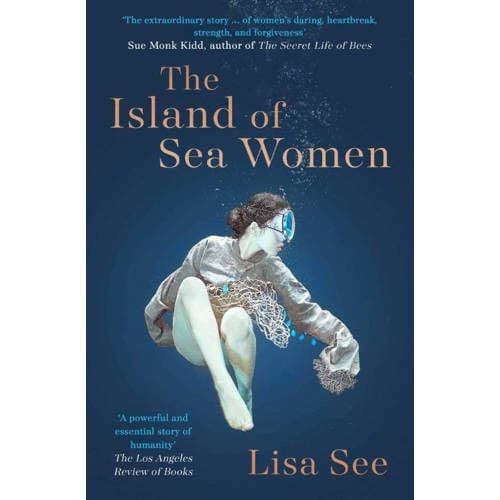
    Island of Sea Women by Lisa See is set on the island of Jeju, off South Korea, during Japanese colonial rule. It tells the story of two women from different backgrounds who form a close bond, but whose choices take them through betrayal, heartbreak, strength, and forgiveness. It also immerses you in a distinctive, unforgettable culture and introduces exceptional female divers, with dramatic history shaping their lives through the 1930s, WWII, and the Korean War.

    “… you are like sisters, and I expect you to take care of each other today and every day as those tied by blood would do.” My mother said, and it was as much a blessing as it was a warning. Mi-ja and Young-sook became friends after Young-sook’s mother found her stealing food in their garden. Mi-ja was not welcomed because her father had chosen to work for the Japanese and was thus labelled a traitor. After her parents died, her uncle and aunt took her in, but rather than caring for her, they mistreated her.

    In that era, women were the breadwinners of the family, and fathers took care of the children. Mi-ja had no one to teach her how to dive, as that was the main way of earning money to feed the family and send the boys to school. When Young-sook’s mother took her in, she was more than grateful and did her best. The men used to fish, but when the Japanese came, they imposed higher taxes on them than on women. This is how women became the providers, not only because of lower taxes but also because they had more body fat, making them better suited to endure the cold.


    In a book that portrays all forms of human cruelty, women are shown as people who had an aptitude for work, patience, strength, independence, persistence, resilience, and an understanding of suffering. A wife’s social and family duty was to bear a son who would extend her husband’s lineage. Yet, every family was grateful to have a daughter because she would always be a provider. Men spent their days taking care of the children; others drank away the money their wives earned or, at times, took another wife. The women tried to understand how they felt, “to live in a household that depends on the tail of the skirt.”


    The women maintained their diving rights and would go out in the morning and return in the afternoon or late evening. They would catch abalones, octopuses, sea urchins, and sea snails, selling the best catches while feeding the rest to their families. When the Japanese invaded, they did all the wrong things:


    1. Took their sons to dig caves to hide Japanese soldiers.

    2. Imposed high taxes and stole from them.

    3. Raped women and girls.

    4. Killed anyone who resisted or even raised a question or concern.

    The friendship of the two is tested throughout the story. Secrets kept, untold pain, and difficult choices led to miscommunication and misunderstanding. From going to Russia as divers to earn money even in the cold seasons, to having an arranged marriage and starting families. One married a kind, loving man who was merely a teacher but took care of her and the family. The other married a cruel man who hurt her and whose family collaborated with the Japanese. Just as Young-sook’s grandmother said, “That girl has left Hado as she arrived, the daughter of a collaborator.”

    Their marriages were the last straw that broke the camel’s back. They could no longer see each other daily or make memories as they had before. The events that followed, while in the hands of the Japanese, made things worse. Their children fell in love, as they had dreamed when they were young. But things had changed, and Young-sook felt betrayed by her own daughter, thus severing ties with her. Luckily, Mi-ja’s son was the opposite of his father.

    So, how do you reconcile the past and the present? What can compare to losing a mother, friends, siblings, and watching your husband and child killed before your eyes? How do you understand a traitor’s child, married to a collaborator, but who refuses to save your child and saves her own? Their entangled past became history in the present, and when reforms happened, Young-sook made it clear that nobody could understand the magnitude of what they went through.

    When Mi-ja’s grandchild Clara and her mother come to deliver a message, Young-sook is conflicted. While listening to Mi-ja’s voice before she died, she remembered what Mi-ja had said when her mother died: “You are not alone. You will never be alone. You will always have me.” A promise kept till death. She understood that Mi-ja’s life was no better. Mi-ja had her own share of suffering and tried her best to protect her child and friend.

    Young-sook tried to live by the words, “A good woman is a good mother.” She realized Mi-ja had tried to do the same, though with tragic results. And that is when Young-sook learns that, to understand everything is to forgive.

    Island of Sea Women is a 374-page book that delves into the lives of Mi-ja and Young-sook. It introduces the reader to a totally different culture and draws them not only into the past but also into the present. This book gave me a different understanding of the colonial era, female friendships, and the unique perspective of women as breadwinners. It was a solid 8/10, probably because, apart from fully immersing me in the culture, it stirred emotions such as outrage, confusion, tears, and even excitement.

    I would recommend you get yourself a copy at Textbook Centre for just 1,179 KSH, and if you need a good cry, the chapter on “Life-Giving Air” is for you.