Category: Features

  • A Year After the October 7th Attack

    A Year After the October 7th Attack

    By Joe Aura, Aurajoe6@gmail.com

    “Imagine there’s no countries, it isn’t hard to do.

    Nothing to kill or die for, and no religion, too.

    Imagine all the people, livin’ life in peace.”

    – Imagine, John Lennon

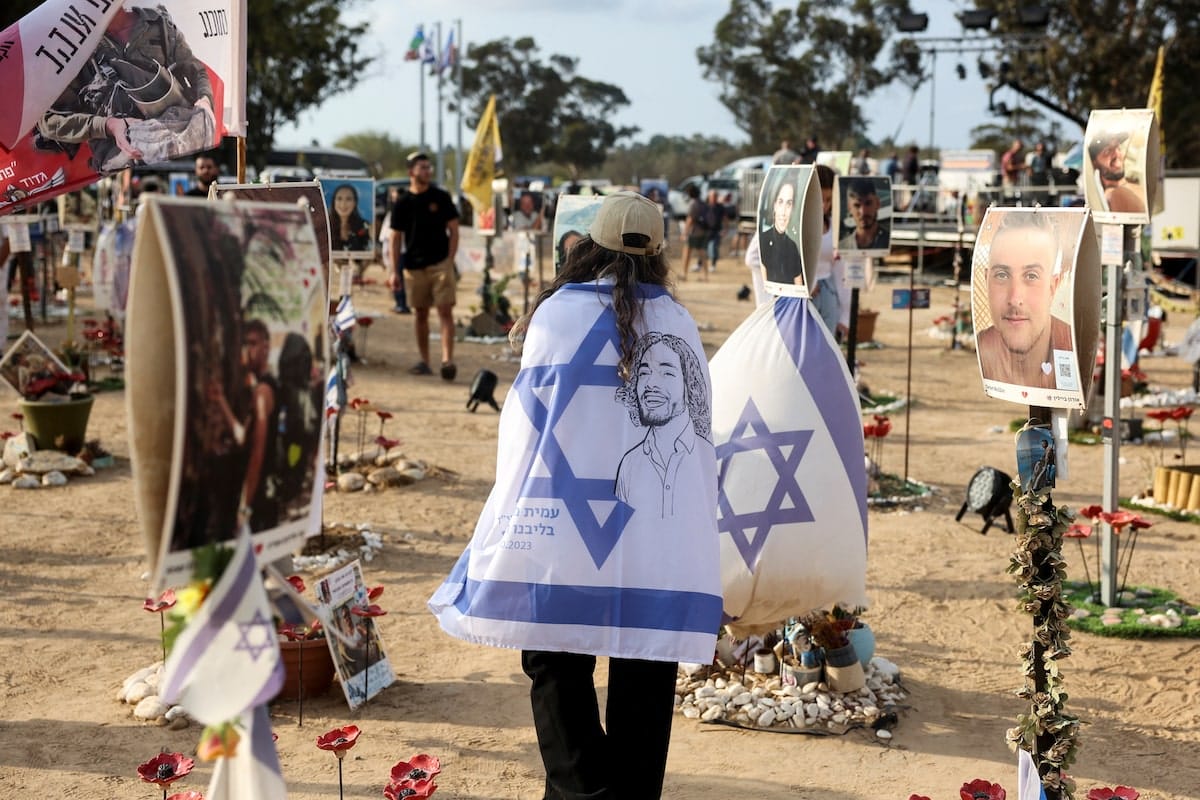
    To mark the first anniversary of Hamas’s attack, the last song heard at the Nova Music Festival was played, followed by a moment of silence in memory of the victims. This song, the best-selling single of John Lennon’s solo career, encourages listeners to envision a peaceful world free from materialism, borders, and religion.

    On October 7, 2023, the Nova Music Festival in Israel was violently interrupted by an attack, resulting in up to 1,000 casualties and numerous kidnappings. The horrific events were streamed live, exposing the world to the brutal chaos. In response, Prime Minister Benjamin Netanyahu announced a stern retaliation, strongly supported by the United States. This incident was a significant blow to Israel, a nation known for its advanced defence systems and the intelligence prowess of Mossad. Was this a strategic sacrifice, like a chess queen taken to achieve checkmate? The lives lost far exceeded the value of any chess piece, yet Mossad’s reputation for exceptional intelligence operations remained intact.

    Mossad had previously uncovered tunnels used by Hamas within Palestinian territories. Fast forward to September 2024, when Israel executed a meticulously planned attack on allies of its enemies in Lebanon, signalling a new era of warfare. How did Hamas manage to intercept communications and set explosives to detonate at precise moments and locations?

    The days following the concert were among the darkest. Disturbing videos emerged from Gaza, showing the dead, children in distress, and grieving mothers. Misinformation spread rapidly, even leading to the President of the United States being misquoted. Humanitarian aid workers and journalists documenting the atrocities faced significant dangers.

    Celebrities and social media rallied in support of Palestine, but the world continued its business as usual. In Kenya, groups organized peaceful protests to raise awareness. South Africa, with its history of apartheid, took a bold step by filing a genocide case against Israel, recognizing oppression when they saw it. This case brought hope but also forced nations to take sides. As the American elections approached, there was pressure to adopt an ethical stance. It wasn’t until the attack in Rafah, after witnessing the devastation in Gaza, that countries like the USA began to criticize Israel’s actions.

    Following several ceasefire negotiations, Israel continued its operations, targeting individuals and refugee camps. Civilians were advised to flee south, only to be bombarded with missiles. Scarcity of food, water, and healthcare became pervasive, with children being born under the shadow of military-grade weapons and the constant sound of bombs. We witnessed traumatized children and families torn apart, with entire lineages potentially wiped out. What was once a community, a beach where children played, was reduced to ashes, overshadowed by whispers of another war in Lebanon. Many hostages remain unaccounted for, with families still waiting for news of their loved ones. Have they been forgotten? Coverage of Gaza has shifted from top priority to secondary as other conflicts emerge.

    This morning, Israel commemorates the loss of its loved ones while continuing operations in Gaza. They reported three missiles fired from the southern strip, all intercepted by the Israeli air force. Investigations are ongoing into how five missiles managed to penetrate Israeli defences.

    The world must unite to put an end to this war. The suffering and loss on both sides are immeasurable, and a peaceful resolution is urgently needed.


  • Celebrating Innovation and Community at The Nairobi Show

    Celebrating Innovation and Community at The Nairobi Show

    By Jemima Mukasa

    The Nairobi International Trade Fair is a perfect snapshot of Kenya’s dynamic culture and entrepreneurial spirit. A vibrant blend of agriculture, innovation, and entertainment, it draws everyone from seasoned farmers to curious schoolchildren. This year’s theme, “Promoting Climate Smart Agriculture & Trade Initiatives for Sustainable Economic Growth,” highlights the importance of sustainable practices in today’s world. As I navigated the crowded stands, watched children’s faces light up with excitement, and encountered a plethora of creativity, I was reminded of what makes the Nairobi show a unique event that both educates and entertains.

    At 10 a.m., the sun was already scorching, and a cloud of dust hung in the air as eager schoolchildren, overwhelmed by the thrill of being at the show, rushed around. The air was filled with their excited chatter, an energy so palpable you could almost taste it. I was making my way through the crowded stalls when a vendor caught my attention, proclaiming, “That’s why our Deputy President told the West we don’t need them! We have everything we want and need right here. Usiguze Murima!” He was selling herbal remedies, claiming to cure everything from fibroids to epilepsy. With shelves packed with pills, powders, and teas, his confidence was infectious. But, as a cautious Nairobian, I wasn’t entirely sure whether to believe his grand promises.

    As I ventured further, I was met with an overwhelming display of agriculture. Farmers from across the country showcased produce that made my own modest harvest pale in comparison. Maize as tall as my house and cabbages the size of watermelons were on display, humbling even the most seasoned growers. One farmer, after seeing a picture of my crops, told me I should burn them, they were not even fit for cows. Talk about a blow to my ego!

    But that’s the magic of the Nairobi show. It’s humbling yet inspiring. You realize that Kenyans are some of the most hardworking, innovative people. Many of the brightest minds are showcased here, and the creativity on display is astonishing. For instance, the Kenya Agricultural and Livestock Research Organization (KALRO), in partnership with USAID, is working on an initiative to maximize underutilized fruits like gooseberries, guavas, and soursop, turning them into products like juices and jams. I even tasted millet biscuits, which were surprisingly light and milder than simsim biscuits.

    University stands are where the real gems of creativity shine. At the Kabete National Polytechnic stand, I sampled mushroom jam, an unlikely but tasty innovation. At the Jomo Kenyatta University of Agriculture and Technology (JKUAT) booth, students displayed a Wi-Fi booth that resembled an old-school telephone booth, a clever mix of agriculture and technology.

    Innovation didn’t stop at food and tech. One youth group, Makele Youth Drive, developed a drip irrigation system made from recycled bottles and straws, regulating water to literal drops and keeping the soil moist without overwatering. It’s a small-scale, sustainable solution that perfectly encapsulates the spirit of the Nairobi show, meeting challenges with ingenuity.

    The fun didn’t end with agricultural exhibits. As I walked toward the rides section, nostalgia hit me like a wave. The laughter of children on Ferris wheels and merry-go-rounds brought me back to simpler times. Despite the inevitable post-ride nausea, the kids were back on their feet, eager for another round of fun. The music blared, competing stands played the same songs in different orders, while students lined up to see so-called mermaids, Nairobi’s classic show scams. It reminded me of the reckless abandon of my own childhood, when my biggest concern was finding a clean pair of socks for tomorrow’s shower inspection by the dorm matron.

    As my day at the fair drew to a close, I found myself at the Ketepa Tea stand for the third time, realizing I had overdone my attempts to double-dip samples. With my windbreaker and hat becoming all too recognizable, I decided it was time to leave. Just as I was about to exit, I witnessed the familiar chaos of hawkers dodging city council officers, and a group of schoolchildren who had wandered too far from their groups getting caught up in the ruckus.

    As I chuckled at a matatu sticker that read, “Chunga mwenzako, ni mwizi kama wewe,” I reflected on the day. The Nairobi show isn’t just an event, it’s a reflection of who we are as a people. From our humor to our resilience, the fair showcases our ability to thrive amidst chaos, finding joy in the simple things, like a child’s laughter or a creative idea turned into reality.

    I left the fair not just with souvenirs but with a renewed sense of pride and inspiration. I’ve taken cards from vendors who offer site visits to their farms, eager to learn more and pursue my own agricultural goals. The sense of community, the collaboration between professionals, and the innovative spirit on display were nothing short of motivating.

    In moments like these, it’s clear that the Nairobi International Trade Fair is more than just a yearly event. It’s a testament to our culture, our struggles, and our shared joy. And as I eagerly look forward to next year’s fair, I know that Kenya’s creativity and resilience will only continue to flourish.


  • Mpox: What Daystar Students Need to Know and How We Can Help Stop the Spread

    Mpox: What Daystar Students Need to Know and How We Can Help Stop the Spread


    As students return to Daystar University after the mid-year break, it’s important that we take steps to protect our community from potential health risks. One of the growing concerns globally, and in Africa in particular, is mpox (previously known as monkeypox). Mpox (monkeypox) is an infectious disease caused by the monkeypox virus and can be transmitted through close contact with an infected person, animal, or contaminated materials. While the university has yet to release an official statement, it starts with us—students—taking simple, proactive measures to stop the spread.

    What is Mpox and How Does it Spread?

    Mpox is a zoonosis, a disease that is transmitted from animals to humans, with cases often found close to tropical rainforests where there are animals that carry the virus. As of 18 August 2024, the WHO African Region has reported 17,947 suspected mpox cases, including 563 suspected deaths and 2,186 laboratory-confirmed cases, with 13 confirmed deaths across 12 countries since January 2024. [World Health Organization (WHO)]

    The disease can also spread from humans to humans. It spreads through contact with bodily fluids, skin lesions, respiratory droplets, and contaminated surfaces.

    Anyone can get mpox and it spreads through various means;

    • Direct contact with an infected person, such as touching, kissing, or engaging in sexual activity.
    • Interaction with animals that carry the virus, such as during hunting or preparing wild game.
    • Contaminated materials, like bedding, clothing, or needles.
    • Pregnant individuals can also pass the virus to their unborn child.

    Symptoms to watch out for

    Mpox symptoms typically appear within one to two weeks after exposure and can include:

    • A painful rash that starts on the face and spreads to other parts of the body.
    • Swollen lymph nodes, often accompanied by discomfort.
    • Fever, muscle aches, and general fatigue.

    If you notice any of these symptoms, it’s important to act immediately to prevent further spread.

    Steps We Can Take to Protect Ourselves and Others

    • Stay Informed – Educating yourself about mpox is the first step in stopping its spread. Keep an eye out for symptoms and avoid close contact with anyone who may have been exposed.
    • Promote Good Hygiene – Washing your hands frequently with soap and water or using hand sanitizer can reduce the risk of infection. Avoid touching your face, especially your eyes, nose, and mouth.
    • Maintain Safe Interactions – Mpox spreads through close physical contact. Whether in social gatherings or classrooms, practice safe distancing when possible. If someone shows signs of illness, be cautious about sharing personal items like towels, bedding, or utensils.
    • If You’re Infected, Protect Others – If you suspect you have mpox, inform those you’ve been in close contact with, and stay at home until all lesions have healed and a new layer of skin has formed. It’s essential to cover any visible sores and wear a mask around others to prevent the spread of respiratory droplets.
    • Avoid Physical Contact with Animals – Mpox can spread through direct contact with infected animals. If you’ve traveled to areas near tropical rainforests or have come into contact with animals, be mindful and practice caution.

    What to Do if You Have Symptoms

    If you experience any symptoms, report them immediately to the university health services and avoid close contact with others. Follow guidelines by covering your lesions, wearing a well-fitting mask, and isolating until you’ve fully recovered.

    Let’s Be a Part of the Solution. It’s up to us, as Daystar students, to play an active role in preventing a potential mpox outbreak. Simple actions like washing hands, staying informed, and being cautious about close contact can make a big difference. Together, we can ensure that campus remains a safe and healthy environment for everyone.

    For more information, stay tuned to Home – Involvement for updates on health protocols and resources as we navigate this period responsibly. Let’s keep each other safe—it starts with us.

  • An Imaginable Betrayal: The Terrible Tale of Gisèle Pélicot.

    An Imaginable Betrayal: The Terrible Tale of Gisèle Pélicot.

    By ROSELYN SAMUEL

    What can be described as unimaginable has turned into the actual nightmare that 72-year-old Gisèle Pélicot recently disclosed to a French court, putting her story into the hearts of an entire nation. For nearly a decade, Gisèle’s husband, Dominique Pélicot, had secretly kept her drugged, at times inviting over 50 men into their home to commit sexual assault on her while she lay unconscious. What is even more horrific is that her husband recorded each of the assaults, he gathered more than 20,000 video clips from those criminal acts.

    Imagine discovering, after years of marriage, that the most trusted person organized such atrocities-using you as an object of violence for others. Such was the reality in the case of Gisèle. It was only with his arrest in 2020 for voyeuristic photos of women in a supermarket that his secret life finally came into focus. Police found video after video on his devices of strangers raping his wife while she lay completely unaware ​(LBC ​)​(TMZ ​). Each of the rapists in these rapes ran from firefighters to journalists, not all being random attackers, many were invited back multiple times. Dominique had created an online network through which he had recruited those men to join in. Some claimed that they thought Gisèle was a willing participant, but Dominique himself said they all knew she was drugged. In his twisted mind, it was a perverse kind of addiction, but there aren’t any words to describe how horrific and betrayed Gisèle has been ​(LBC).

    During an emotional testimony in court, Gisèle said, “When you see this woman, drugged, mistreated, dead on a bed-of course the body is not cold, it is warm, but I am like dead”. Words like those cut deep and get right to the point, not only for the violence she endured but for exposing the depth of her suffering. She unknowingly lived in a torturing world wrought by the one she once loved and trusted most ​(TMZ​).  Dominique’s defense tried to insinuate this was somehow a mutual fantasy, but the reality is, that Gisèle did not know about what was happening to her. Worse still, she contracted multiple sexually transmitted diseases from the assaults, adding another layer of horror to an already unfathomable ordeal ​(LBC​) ​(TMZ​).

    But this isn’t a legal case purely, this is about those dark, blind spots in human behavior and how trust can break in a split second. It is a reminder that even the people closest to us can keep unimaginable secrets. Gisèle will meet her attackers in court. And it’s not just her crusade for seeing justice done but to piece together every part of her life fragment.

    The trial, scheduled to last until December, will not restore what was violently taken from Gisèle, whose trauma will last a lifetime but we hope justice will be served.


    For further reading on the disturbing case of Gisèle Pélicot and her husband Dominique’s crimes, here are key sources:

    • LBC reported on how Dominique Pélicot drugged his wife and invited men to rape her over several years. They also provided details on the men involved and Dominique’s history of abuse.
    • You can read more here: (LBC) ps://lbc.co.uk/news/husband-drugged-wife-strangers-rape-france/).
    • TMZ covered Gisèle’s emotional testimony and her efforts to reclaim her life after discovering the years of abuse. They also discussed the charges​(TMZ)Dominique and the men involved. Full story available here: TMZ.
  • Youth: Navigating the Journey to Adulthood

    Youth: Navigating the Journey to Adulthood

    By Joe Aura,

    Email: aurajoe6@gmail.com

    If you could have everything you ever wished for in life, what would you want? The answer to this question reveals more than just desires; it shows what drives us. For young people, this is a crucial time to discover how to use their time and energy in ways that shape their future. This exploration can be both exciting and daunting. In scholarly terms, youth is often defined as a transitional phase from childhood to adulthood, characterized by significant physical, psychological, and social changes.

    It is often called the golden period of life, where the world seems ripe for exploration, and endless possibilities are on the horizon. However, the journey through youth isn’t always smooth. It’s a time of identity formation, societal expectations, and a quest for independence—each fraught with significant challenges.

    Identity Formation: Who Am I?

    The search for identity is a defining characteristic of youth. It is a period when individuals begin asking, “Who am I?” and “Who do I want to become?” This quest for self-discovery is influenced by various factors, including family, culture, peers, and media.

    According to literarytrust.org 93.4% of children and young people aged 7 to 18 had at least one role model.The most popular role models were mums (67.4%) and dads (60.2%). More than half of children (52.6%) said that they look up to a YouTuber, while fewer than 2 in 5 looked up to a sibling (38.3%) or teacher (36.5%).

    In today’s connected world, young people have access to vast amounts of information and a multitude of role models, both real and virtual. This can be a blessing, providing opportunities for growth and learning beyond one’s immediate environment. However, it can also lead to confusion as they try to navigate the myriad of choices available to them.

    This confusion is heightened by societal pressures. The expectations placed on youth to succeed, conform, and excel can be overwhelming. As Sadhguru, a renowned spiritual leader, explains, “You must come out of the trap of ignorance. What is the point of knowledge if it doesn’t enlighten you?” Youth often feel the weight of ignorance as they seek to answer fundamental questions about their identity and place in the world. The challenge lies in moving beyond external expectations to discover and define one’s own path. It’s about coming into alignment with oneself and moving from confusion to clarity.

    Societal Expectations: The Weight of the World

    The modern world places immense pressure on young people to succeed. They are often expected to achieve academic milestones and career success, leading to unrealistic standards. Social media exacerbates this pressure by emphasizing likes, followers, and the need to maintain a perfect online image.

    Although social media allows for global connections and self-expression, it also intensifies feelings of inadequacy as young people constantly compare themselves to others. It happens to you, it happens to me too. Sadhguru addresses this issue, encouraging youth to live with intention rather than being consumed by societal expectations. He emphasizes that their self-worth should not be dictated by others’ perceptions.

    The pressure to conform to societal norms can hinder creativity and individuality. Many young people lose touch with their true selves and what truly matters to them while striving to meet external standards, leaving them questioning their place in the world.

    The Quest for Freedom

    Socrates said “ To find yourself, you must think for yourself”. One of the most important parts of growing up is the journey towards independence. It’s natural for young people to want to make their own decisions, live by their own rules, and find their place in the world. However, becoming independent comes with its own set of challenges.

    Financial independence is a major hurdle for many young people today. The increasing costs of education, housing, and living expenses often delay their ability to live on their own. This financial dependence can be frustrating because it conflicts with their desire for control over their own lives.

    Aside from financial struggles, there’s also the emotional aspect of gaining independence. Transitioning from adolescence to adulthood requires a shift in mind-set. It means balancing the desire for freedom with the responsibility that comes with it. Sadhguru encourages young people to embrace life and its challenges, reminding them that life is meant to be experienced, not avoided. This perspective can help young people face their challenges as part of their growth and development.

    The Role of Education: A Double-Edged Sword

    Education plays a crucial role in shaping the lives of young people. It is often seen as the ‘ key to success’ , providing the knowledge and skills needed to navigate an increasingly competitive world. However, the educational system can also be a source of stress and frustration.

    The pressure to excel academically can take a toll on young people’s mental health. Constantly striving for high grades, navigating exams, and meeting societal standards can leave little room for creativity and self-exploration. Sadhguru emphasizes that it’s not enough to go through the motions of life—youth must fully engage with the opportunities in front of them. They must balance achievement with personal well-being, ensuring that their pursuit of education also supports their growth as individuals.

    The cost of higher education presents another challenge. Many young people find themselves burdened with student loans before they even enter the workforce. This financial strain can limit their ability to pursue their passions and achieve their goals.

    Mental Health: The Silent Struggle

    In Kenya, mental health issues among youth are also a significant concern. According to a recent survey, over 44.3% of adolescents reported experiencing a mental health problem in the past 12 months, with 12.2% meeting the criteria for a mental disorder. Additionally, 45.9% of Kenyan adolescents showed clinically elevated depression symptoms, and 37.99% exhibited clinically elevated anxiety symptoms.

    Mental health issues such as anxiety and depression are increasingly common among today’s youth. The pressures of modern life – academic, social, and financial – can have a significant impact on a young person’s mental well-being. Despite this, mental health is often overlooked or stigmatized.

    The stigma surrounding mental health can make it difficult for young people to seek help. Sadhguru points out that the greatest obstacle in life is often one’s own mind. He asks, “How profound, extreme, and beautiful is my experience of life?” This question encourages young people to reflect on their inner experiences and find a balance between external achievements and internal well-being.

    Breaking down the barriers that prevent young people from addressing their mental health is crucial. Society must create environments where young people feel safe to express their struggles and receive the support they need.

    Embracing the Journey

    Youth is a transformative period in life. It is a time of discovery, growth, and self-realization. Despite the challenges of identity formation, societal expectations, and the quest for independence, it offers opportunities for building resilience and strength. Sadhguru’s teachings provide a guiding framework for navigating these complexities. He encourages young people to see life as a profound and fleeting experience. Youth is about finding your path in life, embracing the journey with all its ups and downs, and rising to the challenges. But it’s also largely about the people around us (Parent, Guardians, Friends). Franklin D. Roosevelt said it best, “We cannot always build the future for the youth, but we can build our youth for the future”. The future belongs to the youth, and with the right support and encouragement, they have the power to shape it in ways we can only imagine.

     

  • The Hidden Lives of Afghan Women Under the Taliban

    The Hidden Lives of Afghan Women Under the Taliban

    By Roselyn Samuel


    Imagine waking up one morning to find that your existence is no longer acceptable not to strangers, but to the world itself. Your face, your voice, your very presence, deemed “unacceptable” in public. This is the chilling reality for women in Afghanistan today, where Taliban laws are forcing them into the shadows, literally and figuratively.

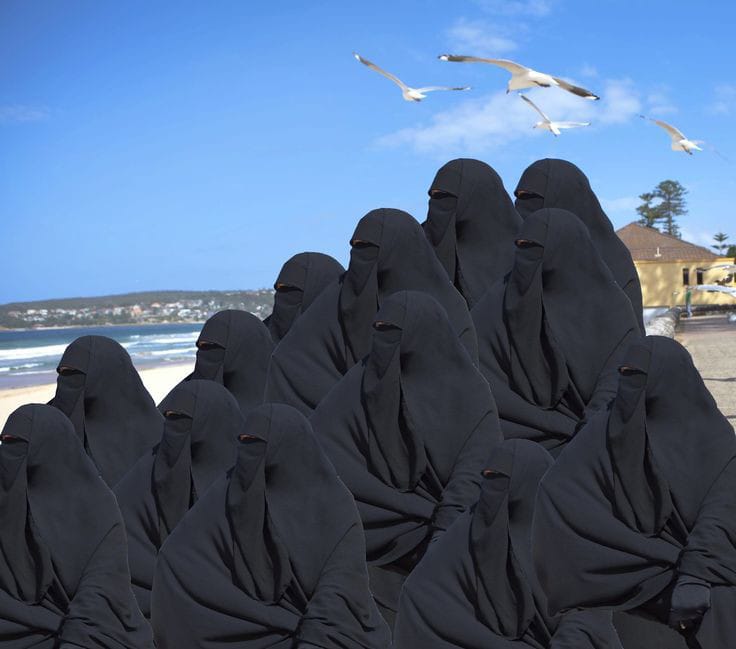
    Since the Taliban regained power in 2021, they have imposed a series of shocking restrictions on women in Afghanistan, the most visible being the mandate for full-body coverings. These are more than just pieces of cloth, the burqa and niqab symbolize enforced invisibility. Yet, more alarming than these garments is the deeper implication, women are not to be seen, heard, or respected by society.

    For those of us who have grown up with the conversation on gender equality at the forefront, this scenario feels like a dystopian nightmare come to life. Imagine being forbidden from expressing yourself, attending school, or even walking in the park without a male guardian. For Afghan women, this is not fiction, it is their daily reality.

    But the erasure extends far beyond physical covering, it is an assault on their very identities. Girls who once dreamed of becoming doctors, teachers, and entrepreneurs are now confined to their homes. The ban on attending schools and universities is not just a denial of education, it is a denial of their future. Their ambitions and aspirations are being suffocated under the weight of oppressive laws.

    How did we arrive at this point? For nearly two decades, Afghan women fought for and enjoyed freedoms that many of us take for granted, going to school, working, and contributing to society. They were journalists, judges, politicians, beacons of progress in a traditionally patriarchal society. Now, they are being systematically excluded from public life. This is not merely a rollback of rights, it is a deliberate effort to erase half the population from the narrative of their own country.

    But Afghan women are not surrendering without a fight. Despite the immense risks, many are taking to the streets to protest these repressive laws, demanding their right to education, work, and freedom. Their courage in the face of such danger is nothing short of remarkable, a testament to their resilience. While the world may seem to look away, Afghan women stand tall, defying a regime that seeks to make them invisible.

    So, what can we do? As young people, we have a powerful voice. We may be far removed from the atrocities in Afghanistan, but our support matters. We can raise awareness, put pressure on governments, and amplify the voices of Afghan women fighting for their rights. Social media gives us the platform to ensure their stories are heard and not forgotten.

    Let’s be clear, This is not just a cultural issue, it is a political crisis that demands global attention. The denial of basic human rights, the right to be seen, heard, and to exist fully as a person, is a universal injustice. Afghan women are no different from us in their dreams, potential, and worth. The only difference is that their voices are being silenced deliberately and systematically.

    As Afghan women are forced out of sight, we must not let them slip out of our minds. Their struggle is our struggle. No woman, anywhere, should ever be made to disappear.

    As students, we should strive for a world where every woman is seen, heard, and valued.

  • How Could This Happen? Unpacking the Horror of the Gisèle Pélicot Case

    How Could This Happen? Unpacking the Horror of the Gisèle Pélicot Case

    By Roselyn Samuel


    Gisèle Pélicot was an ordinary Frenchwoman, a wife, and a mother, known in her community for her kindness and unassuming nature. But her name became infamous when it was revealed that she was the victim of one of the most shocking and horrifying cases of abuse ever uncovered. For nearly a decade, her husband, Dominique Pélicot, secretly drugged her with sedatives and allowed dozens of men to rape her while she was unconscious. The story of Gisèle Pélicot is not just a tragic tale of unimaginable betrayal but also a stark reminder of the unseen dangers that can lurk within relationships.

    These are the times when trust usually occupies the first place. We trust our friends, we trust our families, and above all, we trust our partners. That is why Gisèle’s story really hits the gut. It is not only a crime, but it is also an unimaginable act of betrayal. Yet, this horrific case makes one reflect on unseen relationship dangers and why it is of utmost importance to discuss abuse openly and candidly.

    The details of this case are the stuff of a hair-raising thriller, for close to a decade, Gisèle’s husband, Dominique Pélicot, had been putting tranquilizers in her food so that, unconscious, he could invite men into their home to rape her. If that were not all, Dominique recorded over 20,000 videos of these acts, using his wife as a prop in his depraved game. Worse, it was only when he got caught secretly taking photos of women in a supermarket that investigators chanced upon his secret.

    But here’s the kicker, Gisèle had no idea any of that was occurring. She didn’t just lose a husband, she lost security entirely. When she did find this out, she described herself as “dead,” emotionally destroyed by the fact that the person she loved most in this world had turned her life into a living hell. How does one recover from that? It’s tough to even imagine.

    Still, this is not just one woman’s tragedy, but about the greater concept hidden behind the scenes, that abuse lives in secret. Dominique Pélicot wasn’t some monster lurking in the shadows but a banal man, husband, and father. His actions simply point out how those that come from a position of trust can hide their darkest impulses right under our noses. It is not only Gisèle’s case that must be brought to the fore, but also those of the many victims who, like her, may not even realize that they are being manipulated, drugged, or abused.

    What really makes this case even more chilling is how many people were involved. The men who participated in the assaults were not strangers dragged in off the street, they were firefighters, civil servants, and even a journalist. Several of them visited Gisèle’s home multiple times, in full knowledge that she was unconscious. This is not just some sick obsession of one man, this is a peek at how people are complicit in abuse.

    The trial that Is scheduled to go until December is a turning point in Gisèle’s life, but it is also turning our attention to domestic abuse in general. We have to reassess the fact that a husband may not necessarily manifest abuse as some sort of physical violence, but rather garbed with smiles and inside homes, the very place we least expect.

    A wake-up call for us who are reading this is that abuse doesn’t always look as we think it should. It can be quietly, invisibly happening to someone we know, and maybe even to ourselves. This case reminds us of the importance of vigilance, not just in protecting ourselves but also in looking out at those around us. Because in Gisèle’s story, as so often in other stories, the most fearsome terrors can sometimes turn out to be lurking in the most familiar places.

    And as this trial goes forward, the world watches. It’s not just about delivering justice to Gisèle, it’s about standing in solidarity with every survivor whose voice has been silenced by fear or betrayal. Gisèle’s courage to face her violators is a reminder of the strength inside survivors. And her story should send a message to all of us to ask tough questions about trust, boundaries, and speaking up when something doesn’t feel right.

    We owe it, in the end, to people like Gisèle, keeping the conversation alive, not letting their stories be swept into the background. Only under those circumstances can we hope to avoid the next tragedy happening in the dark.

  • End The Fear: A Call to Protect and Respect Women

    End The Fear: A Call to Protect and Respect Women

    By Roselyn Samuel


    In a world where we often talk about progress and enlightenment, gender-based violence still casts a dark shadow over the lives of many women. The ongoing problem of sexual violence is a stark reminder that, despite the progress we’ve made, women are still vulnerable in a society that too often excuses, justifies, or overlooks their suffering. This is not just a problem for women, it’s a serious issue for society as a whole that needs immediate and strong action.

    For too long, women have carried the heavy burden of a society that puts the responsibility of preventing violence on them. They are told to dress modestly, avoid certain places, and always stay alert, as if it’s their job to prevent assault. But the real question is, why should women have to live in fear when the real issue is that society fails to hold attackers accountable and treat women with the respect they deserve?

    Sexual violence encompasses a range of completed or attempted sexual acts to which the affected party does not or cannot consent. The rate at which women are sexually assaulted has remained alarmingly consistent, largely because many men fail to see women as their equals, often viewing them as inferior beings to be dominated and controlled.

    Tragic incidents like the brutal rape and murder of a 31-year-old postgraduate trainee doctor at RG Kar Medical College and Hospital in Kolkata, India, on August 9, 2024, serve as stark reminders of the deep seated misogyny that continues to plague society. The incident has sparked widespread outrage and protests across India, with medical professionals demanding better working conditions and safety measures. But the truth is, even with improved safety protocols, the root cause, an utter lack of respect for women, remains unaddressed. If that doctor had been respected as a fellow human being, this atrocity would never have occurred.

    The statistics paint a grim picture. According to the Indian Ministry of Health, nearly one in three women in India has reported experiencing some form of violence. The number of confirmed rape cases has surged from 337,922 in 2014 to 445,256 in 2022. While protests and calls for change are necessary, they are not enough to address the pervasive issue of rape and gender-based violence. This problem is not confined to India, it is a global epidemic.

    Consider the heartbreaking case of Heaven Awot, a 7-year-old girl who was brutally raped and murdered in Bahir Dar, Ethiopia, in August 2023. Her attacker, Getnet Baye, was sentenced to 25 years in prison, a sentence many see as far too lenient. This case has highlighted the glaring failures in Ethiopia’s child protection systems and has brought to light the widespread sexual violence that occurred during the two-year war in the Tigray region.

    What kind of society allows such heinous crimes to go unpunished? Baye’s sentence is currently under appeal, and one must wonder, will the women and children of Ethiopia be safe if such a man is allowed to walk free again? Will Heaven’s mother ever find justice for her daughter’s tragic death?

    There is no room for leniency when it comes to sexual violence. Offenders should face life sentences, as there is no guarantee they will not reoffend. However, legal action alone is not enough. We must take proactive steps to dismantle rape culture and protect women from gender-based violence. Here are several actions we can take:

    1. Speak Out Against Root Causes: Rape culture thrives when we perpetuate harmful ideas of masculinity that equate strength with violence and dominance. We must challenge the notion that men obtain power through violence and reject the idea of sex as an entitlement.
    2. Promote a Culture of Enthusiastic Consent: Consent must be given freely and enthusiastically every time. It is not enough to merely listen for a “no”; we must ensure there is an active “yes” from all parties involved.
    3. Stop Victim-Blaming: Rape-affirming beliefs are embedded in our language and culture. We must abandon language that blames victims, objectifies women, and excuses sexual harassment. A woman’s clothing, behavior, or location is never an invitation to rape.
    4. Redefine Masculinity: We need to engage in self-reflection, community conversations, and artistic expressions to redefine masculinity with feminist principles, encouraging men and boys to reject violence and embrace equality.
    5. Establish Zero Tolerance: Leaders must establish and enforce zero-tolerance policies for sexual harassment and violence in all areas of life—at home, work, and in public spaces.
    6. Broaden Our Understanding of Rape Culture: Rape culture encompasses more than just physical assaults; it includes practices like female genital mutilation and child marriage. We must recognize and address all forms of gender-based violence.
    7. Invest in Women: Support organizations that work to end gender-based violence, amplify women’s voices, and provide resources for survivors. Consider donating to groups like UN Women.
    8. Listen to Survivors: Survivors need to be heard, believed, and supported. Instead of questioning their choices, we should affirm their experiences and stand by them in solidarity.
    9. Reject Rape Jokes: Rape is never a laughing matter. Jokes about sexual violence normalize and trivialize the issue, making it harder for victims to speak out. We must call out such behavior whenever we encounter it.
    10. End Impunity: Perpetrators must be held accountable for their actions. When we prosecute sexual violence cases, we send a clear message that these acts are crimes that will not be tolerated.
    11. Be an Active Bystander: When you witness non-consensual or violent behavior, do not remain silent. Intervene and show the perpetrator that their actions are unacceptable.

    The fight against gender-based violence is far from over, but it is a battle we must all commit to winning. Women deserve to live in a world where they are respected, valued, and protected. It is time for us to take a stand, to speak out, and to act decisively. Together, we can create a society where women no longer have to fear for their safety, a society where gender-based violence is no longer tolerated. Let us protect our women, not just with words, but with meaningful action.


  • SOCIAL MEDIA: THE REVOLUTION

    SOCIAL MEDIA: THE REVOLUTION

    By Nelson Muthomi Ledama Mati


    Social media isn’t just a trend, it’s a seismic shift that has transformed the way we interact, do business, and entertain ourselves. As Ben Luketvich, site editor for Tech Target, describes it, social media is “a collective term for websites and applications that focus on communication, community-based input, interaction, content-sharing and collaboration.” While this definition covers the basics, it’s the focus on community-based input and collaboration that truly encapsulates the essence of social media today.


    Initially, social media served as a platform for the general public to share input on various topics, reconnect with distant friends, or update relatives on their lives. Over time, its use evolved, becoming a hub for content sharing and a means of making money through talent or spare time.


    Why is social media a revolution? It has reshaped businesses, entertainment, financial independence, and countless other areas by offering popularity, efficiency, and convenience. For instance, companies now leverage digital media professionals to capitalize on their online presence, avoiding the need to spend millions on traditional marketing. Another example is how, in the past, people invested in expensive projectors and spent hours at videotape stores to find movies. Today, with just a few clicks online, anyone can access their desired content with minimal hassle, thanks to the technological advancements that social media embodies.


    But as with any revolution, there’s debate. Now that we’ve explored the reasons behind this revolution, I pose a question to you, the reader: Is social media a good revolution or a bad one? My answer: a bad one. The reason? Improper regulation and overly strict content moderation policies that often infringe upon universal human freedom of speech.


  • THE MERU MELODRAMA: PAINTING A PICTURE ON THE PLAY OF POLITICS

    THE MERU MELODRAMA: PAINTING A PICTURE ON THE PLAY OF POLITICS

    BY NELSON MUTHOMI LEDAMA MATI


    Governor Kawira Mwangaza has been quite the buzz of the town, her impeachment drama gracing our screens and print products, with people taking sides. One side requested the initiators of her impeachment to withdraw it, giving reasons that women leaders are being discriminated against and taunted in office by their male counterparts who deem them unfit to lead. The other side came out guns blazing at the cleric-turned-politician, on the grounds that she has been nepotistic, engaged in payment anomalies, and refused to act on the appointment of officials for some county agencies.


    Looking at some of the women leaders that have graced our nation’s political landscape, like Wangari Maathai, Martha Karua, Charity Ngilu, among others, one might give Governor Mwangaza leniency on account of male politicians being driven to file impeachment motions based on gender. But if one were to look into her records, leadership history, political alliances, and other important factors, they might form the perception that she is behaving like any other leader: corrupt, carefree, and disingenuous.


    On the 19th of August 2024, Citizen TV reported that the governor’s team was struggling to explain the use of a manual payroll to disburse over Kshs. 102.94 million for personal emoluments and payments to the public communications officer stationed at the office of the governor. This raises the question of how trusted she is to be accountable for the use of county resources, particularly money.


    That aside, we need to do away with the mentality of women being seen as objects for sexual pleasure (in reference to Hon. Aburi’s utterances that were caught on video and played in Parliament during Governor Mwangaza’s second impeachment hearing at the Senate). Women are capable of leadership, and they can use the platform to champion the rights and interests of the girl child and their fellow women. They are also human, just like their male counterparts. Nonetheless, it is a default expectation that every leader be held accountable for their faults in office, without using gender, tribe, financial status, influence, or any other negative metrics to gauge whether one should be held accountable or not.


    Governor Mwangaza’s case paints a picture of how progressive our political landscape in Kenya needs to be, how much we need to avoid being prejudiced against people simply because of their gender, and also a lesson to all of us to avoid using our flaws as leverage when cornered with our faults. We must own our faults and be ready to face the music.