Category: Features

  • Culture Week or Business Week?

    Culture Week or Business Week?

    By Janet Wambua

    Culture Week at Athi River Campus is off to a bumpy start, and if you ask some students, it feels more like “Business Week.” Instead of embracing their diverse cultures, many people seem more focused on selling products. Seriously, is this Culture Week or Business Week? From the way things have kicked off, some students are starting to wonder if they missed the memo or if the theme of the week got mixed up with Business Week instead.

    “Honestly, I expected cultural exhibitions or performances. Maybe some traditional food or dances? But everywhere I look, people are just selling stuff,” one student grumbled. “It’s like I walked into a flea market!”

    On the first day, instead of cultural performances or vibrant displays of tradition, most of the action involved selling. Yes, you read that right, students selling everything from clothes, and perfumes to random products. The campus was filled with pop-up stalls, making it feel like a mini-business fair rather than a cultural showcase.

    “I came to embrace my culture, not buy perfumes and soaps,” one baffled student said with a laugh.

    The drama didn’t stop there. Day one kicked off with “Career Wear” as the dress code of the day, but let’s just say, the memo either didn’t reach most students or got lost somewhere along the way. Instead of the suits and sharp office outfits that were expected, most people just did, well, whatever they felt like. Suits? Office wear? Who needs them when you can rock whatever you had on when you rolled out of bed, right?

    “I thought it was ‘Career Wear.’ Does being casual count as a career option?” joked another student, clearly amused by the casual vibes that dominated the campus.

    Don’t get me wrong, some students really embraced the ‘Career Wear’ theme, and they looked nothing short of impressive. Sharp suits, polished shoes, sleek blazers, and tailored trousers, these students showed up ready to turn heads. You could spot them from a mile away, confidently walking around campus as if they were headed to a high stakes board meeting. The ladies, in their well-fitted blouses and elegant office attire, looked poised and professional, while the gentlemen, with their crisp ties and well-ironed shirts, made a strong case for dressing the part. I have to give credit where it’s due and I  truly commend them for the effort. They  brought a sense of sophistication and set the bar high for the rest of us!

    But things took a slight turn today with “Urban/Casual Wear” as the theme. Finally, something people could relate to! After all, who doesn’t love dressing casually? Students nailed the look without much effort mostly because it’s how they dress every other day. So, while it wasn’t the most creative outfit display, it was at least on point.

    “It’s funny how people nailed today’s dress code. Probably because it didn’t require much effort,” one optimistic student pointed out. “But I think it’s only the beginning. The week might surprise us!”

    With the rest of Culture Week still ahead, some students remain hopeful, trusting the process. Who knows? Maybe things will take a more cultural turn soon. I am eagerly anticipating dance performances, storytelling, or maybe even some traditional food that doesn’t come with a price tag. Stay tuned, because who knows what surprises the week holds? By the end, we might witness creative pop-ups blending culture and business, proving that tradition and entrepreneurship are the perfect combination!

    Until then, the campus is buzzing with a mix of disappointment, laughter, and a sprinkle of optimism.


     

  • Know yourself

    Know yourself

    By Stacey Mary

    One of the many difficult choices we have to make in life is choosing a friend. When to choose, where to meet, and whom to choose is not known but we have to. This is where God comes in to help guide you. When God was creating the world He took six days. He could have chosen to do it all at once in just a day because he possessed the power anyway. After He created things He took a moment to observe and said it was very good. Then He continued with creation.

    The same should be applied to us, look at what you are doing if it’s nice continue with it if it’s not, stop look for where you went wrong, and fix it. What we do attracts the attention of people and from that attention comes relationships. These relationships can either build us or destroy us depending on what we choose to keep and do. If you are hardworking you can’t attract attention from a lazy person but if you do, do you also become lazy or do you lift the other one to be hardworking?

    One thing you should always understand is that in life we don’t always get what we want. But when you get it thank the lord. The one thing you should aim at achieving is being you. Once you become you, trust you, believe in you, and accept you then you are covered. You will trust the process, you will know your worth and what you want in life. So why should I emphasize you being you? It is because of the people in the world. Whatever you do they will always talk and judge, they will always find fault and they will always try to bring you down.

    Once you understand yourself, nothing will bring you down. When you fail you will raise to try till you get it right. You will learn to filter the trash, pick what is necessary, and move on. People have a right to opinion so you can’t control what they say. It is up to you to pick the negative and go down or pick the positive and rise up. We always have a choice just try to make the right one.


  • Staying Ahead in an Evolving job Market

    Staying Ahead in an Evolving job Market

    By Molly Wasonga

    I’m obsessed with AI, and I’m going to talk about it, again. So, you’re probably sitting there wondering if robots and AI are going to steal all our jobs, leaving us to reminisce about the days when humans were relevant. It’s a hot topic right now, that’s for sure.

    But hold your horses! It’s not as doom and gloom as it sounds. We may be entering an era where humans and AI become the ultimate power couple—think Batman and Robin, but with less crime-fighting and more task efficiency.

    I recently read from an enterprise tech writer and Forbes contributor, Bernard Marr, about the potential impact of AI on the job market, examining whether concerns about AI-driven job displacement are grounded in reality or merely hype.

    This topic has become a source of growing concern, especially among recent graduates and students in higher education institutions. Many are anxious about the future of their careers, fearing that the skills they are currently acquiring may become redundant due to the rapid rise of AI and automation. The future, it seems, is fraught with uncertainty. However, there is a need to clarify misconceptions and provide a more balanced perspective on the matter.

    To begin with, it is important to acknowledge that AI is no longer a hypothetical technology of the distant future, it is already here, and its presence is only expanding. The pertinent question is not whether we will use AI, but rather how we will use it. While AI undoubtedly has the capacity to automate a wide range of repetitive and mundane tasks, this development should not be viewed solely as a threat. Yes, it could potentially displace jobs that involve routine tasks, but it also presents an opportunity for businesses to optimize operations and reduce costs.

    In fact, according to Bernard Marr’s article, AI is projected to contribute an additional $15.7 trillion to global GDP by 2030, signaling a profound shift towards AI integration across industries. This underscores the need for individuals to focus on how they can harness the potential of AI, rather than fearing its rise. Are we approaching a future in which robots and advanced software will take over all the mundane, labor-intensive jobs, allowing us to live lives of leisure? In some cases, the answer is yes. Some jobs will be automated.

    However, it is equally important to highlight that the adoption of AI and automation will also create new opportunities. The World Economic Forum, for instance, has predicted that while 85 million jobs may be displaced, 97 million new jobs will be created as a result of this technological revolution. These figures suggest that while certain roles may evolve or disappear, new ones will emerge, many of which will require a more sophisticated interplay between human and machines.

    The types of jobs most at risk are those that involve simple, routine tasks, such as data entry or basic customer service inquiries, which can be easily automated. McKinsey estimates that up to 45 percent of current work activities could be automated in this way. However, for more complex tasks, AI will play a supportive role, augmenting rather than replacing human skills. For instance, healthcare professionals may use AI to analyze medical images and data, and legal professionals could employ AI to summarize documents and identify key information more efficiently.

    In light of these developments, it is crucial for students and future professionals to embrace AI as a tool that can enhance their work rather than replace them. Developing an understanding of how to work alongside AI, leveraging its capabilities to improve productivity and innovation, will be essential in the evolving job market.


  • INTERNATIONAL SCIENTIFIC CONFERENCE ON SUICIDE CONFERENCE

    INTERNATIONAL SCIENTIFIC CONFERENCE ON SUICIDE CONFERENCE

    By Sharon Mwazuna

    Mental health is imperative at every stage of life, from childhood and adolescence through adulthood, as our emotional, psychological, and social well-being are all components of mental health. It influences our thoughts, emotions, and behaviors. It also influences how we respond to stress, interact with others, and make wise decisions. It is widely contemplated that about 46% of people, per research statistics, who die by suicide have a known mental health condition. Symptoms leading to suicidal thoughts such as very low mood, negative thinking, severe anxiety, and psychosis, have an emphatic voice and should not be ignored. Moreover, several factors may put a person at risk of suicide including, but, not limited to a family history of suicide, emotional distress, and stigma among others. Coupling this, suicide and unsound mental health should not be taken seriously.

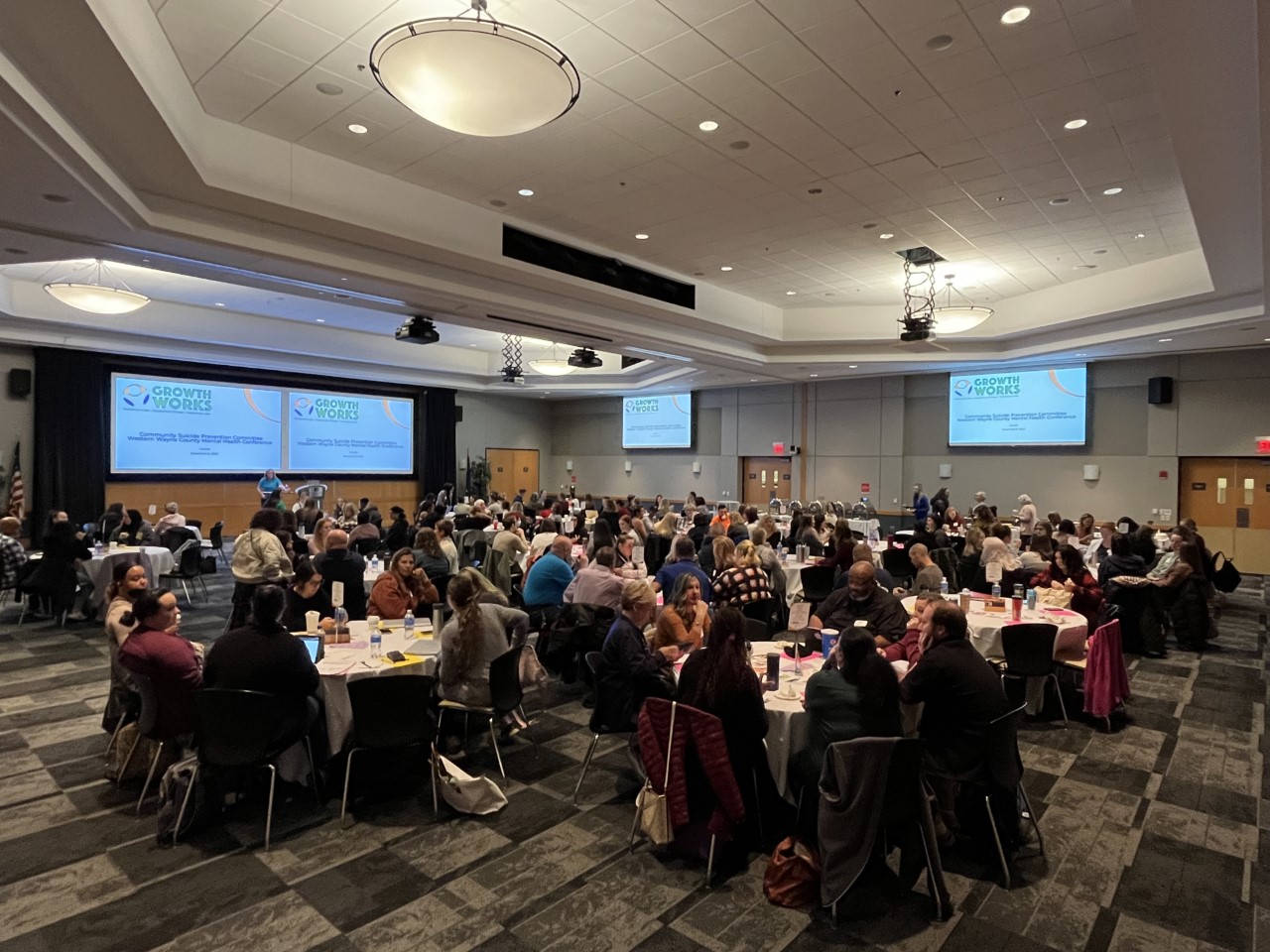
    Daystar University Nairobi Campus held a dynamic International Conference on Suicide Prevention from October 22nd to 23rd 2024, bringing attention to the importance of mental health and the need for all-encompassing suicide prevention techniques. TINADA, the Kenya Institute of Business and Counseling, the Amani Counselling Center and Training Institute, and the Kenya Counsellors and Psychologists Association (KCPA) were among the stakeholders who attended this conference.

    The two-day conference commenced with a warm welcome from the university’s administration Prof. Faith Nguru DVC ARSA on behalf of Prof. Laban Peter Ayiro, Vice Chancellor, Daystar University, stressing the value of teamwork in mental health programs. In her stirring speech, MBS Secretary to the Cabinet Republic of Kenya, Madam Mercy Wanjau, the Chief Guest, emphasized the critical need for easily accessible support services. She encouraged participants to spread the word about these options in their areas by providing important information about hotlines for reporting suicide and getting assistance, such as 1192 NACADA. Furthermore, she echoed the Government of Kenya’s commitment to addressing the suicide cases in the country and forging mental health awareness through expanding mental health facilities and equipping them, encouraging employers to implement mental health policies in the workplace, and policy and legislative strengthening through the Penal Code (Cap 63).

    The keynote address from Dr. Matilda Mghoi Omollo, CEO of the Counselling and Psychologists Board (C&PB), centered on the part mental health practitioners play in preventing suicide, emphasizing the value of continual education and training in handling the complexity of mental health conditions. She advocated for a multifaceted strategy that incorporates support and involvement from the community.

    Subsequent to the opening addresses, the conference included several presentations from different subject-matter specialists. Following a revitalizing health break, participants participated in enlightening conversations about the latest findings, best practices, and creative strategies for preventing suicide. Abstracts and presentations of surviving suicide case studies from James Kamau and Valentine Wairimu demonstrated how tactics and interventions are used in the real world and that surviving suicide is very feasible, were part of the afternoon sessions. Participants engaged in a vibrant exchange of ideas as presenters shared their findings, emphasizing both achievements and challenges in various circumstances.

    Participants likewise, were able to interact directly with the presenters during a Question-and-Answer session, addressing specific issues and exchanging personal stories about mental health and suicide prevention. This exchange demonstrated the conference’s collaborative spirit and the eagerness of participants to share knowledge.

    Dr. Hassan gave a passionate vote of gratitude to the Chief Guest, delegates, and all participants for their efforts and dedication to mental health awareness as the conference came to a close. During the closing ceremony, awards were given to notable field contributors in recognition of their commitment and influence on suicide prevention initiatives.

    The International Conference on Suicide Prevention at Daystar University not only highlighted the pressing need for action in mental health but also fostered a network of professionals dedicated to making a difference. The partnership of the Kenya Institute of Business and Counseling, TINADA, Amani Counselling Center and Training Institute, and KCPA represents a concerted effort to address the issues of mental health and suicide in Kenya.

    “Mental health is not a destination, but a process. It’s about how you drive, not where you’re going.” Noam Shpancer


  • Daystar University Career Fair 2024

    Daystar University Career Fair 2024

    BY TRACY KAVAI, nyaberakavai@gmmail.com


    Nairobi, September 23, 2024 – Daystar University is launching its 2024 Career Fair and Recruitment Drive, aimed at helping students transition from academia to the corporate world.


    The week-long event, running from September 23rd to 27th, is organized by the Placement and International Relations Office in partnership with the Graduation Committee and The Education Collaborative.


    This year’s theme, “Seamless Transition from Campus to the Corporate World, “reflects the event’s focus on equipping students with essential skills for entering the job market. The grand finale will take place on Friday, September 27th, at the DAC Auditorium on the Nairobi Campus, with plenary sessions, panel discussions, CV reviews, and live recruitment opportunities from 9 AM to 5 PM.


    Throughout the week, the fair will feature various in-person and virtual sessions tailored to enhance students’ job search, employability, and interviewing skills. Students will participate in one-on-one sessions with HR professionals to receive personalized CV reviews, LinkedIn profile creation assistance, and advice on using technology such as AI in virtual interviews and remote work.


    The fair is not just limited to physical events. A virtual session, scheduled for Wednesday, September 4th, provided guidance on CV and cover letter writing, helping students develop a professional edge ahead of the main event.


    The final day, Friday, September 27th, will include networking opportunities with recruiters, interview presentations, and workshops on workplace soft skills and other life skills essential for career growth. The event aims to connect students directly with employers, fostering talent identification and acquisition.


    In addition to helping students, the long-term goal of the Career Fair is to raise awareness of the university’s career services and the resources available to support both students and employers in their career advancement.


    This event is an invaluable opportunity for students to gain insights into navigating the corporate landscape and sharpen their professional skills in areas such as email etiquette, managing online presence, and exploring remote job opportunities.


    Students, especially those graduating this year, are encouraged to attend the week-long event and take full advantage of the tools and connections it offers to support their career aspirations.

  • Acumen the Business World Can Gain from Mr Tata

    Acumen the Business World Can Gain from Mr Tata

    By: Leeroy Wuone

    ACUMEN THE BUSINESS WORLD CAN GAIN FROM MR TATA

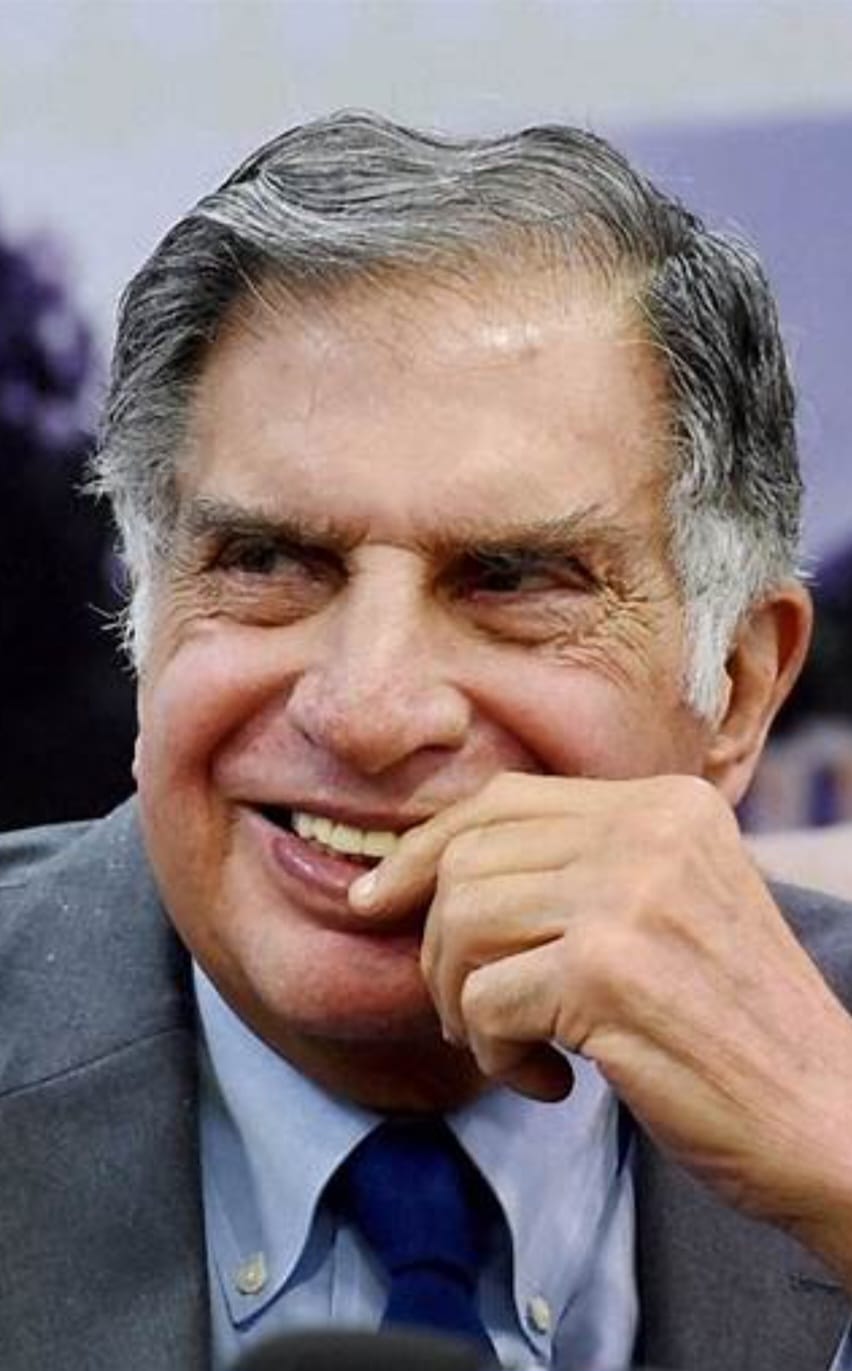
    Ratan Tata was born in 28 December,1937 into one of India’s most Iconic business families’. Tata was not only known for his business acumen but also for his good deeds within and without the Indian society.

    The late Tata was the Chairman emeritus of the Tata Group,he was raised by his grandmother Navajbai Tata after his parents separated when he was ten years old and at seventeen he moved to the United States of America graduating in 1962 with a bachelor’s degree in architecture at Cornell University.

    Around sixty five percent of TATA GROUP’S profits go into charitable trusts to aid in different societyal needs. Ratan Tata did not just view money as financial success, but also as a tool to address societal change.

    In a recent interview with The Indian express Tata expressed the need for creativity and innovativeness for the success of any business. He advised that we should not only be after the value of money but we should look at what the money helped us to do and the contribution we have done in society using money.

    “Needs of the country change and differ and creativity needs to adapt itself to meet those needs.Can we make a difference can we be creative and innovative,’’Mr Tata questioned in his recent interview with the Indian express.

    Mr Tata has always lived his life by values plastered with humbleness, attentiveness to societal needs, innovation, ethical practices and philanthropy. These main values have propelled a modest Tata through success after serving as chairman of Tata Group and Tata sons Company spanning over two decades. There is a time he held the position of interim chairman from October 2016 to February 2017.

    Tata Trusts, one of the largest charitable organizations In India have funded scholarships for students and supported sustainable living projects across India. During the covid 19 pandemic a generous Mr Tata through his company donated Rs 500 crore equivalent to 7.6 billion Kenyan shillings (as per this monthds exchange rate) to fight the covid 19 pandemic. Furthermore he donated fifty million dollars to his alma mater Havard business school where he studied business management for the establishment of an executive centre portraying his belief in nurturing young leaders’ through education in readiness to make the world a better place in future.

    Tata medical Centre in Kolkata aims to provide world class treatment to cancer patients,his work has been marked with genuine humility in every individual interaction.His initiatives have left a deep seated impact that will benefit future generations to come especially in India his motherland .

    Aatma Ko Sadgati Prapt Ho Mr Ratan Tata.


  • Deputy President Rigathi Gachagua Impeached.

    Deputy President Rigathi Gachagua Impeached.

    DEPUTY PRESIDENT RIGATHI GACHAGUA IMPEACHED.

    BY TRACY KAVAI, nyaberakavai@gmail.com

    Nairobi, October 8,2024- In a historic turn of events, Kenya’s Deputy President Rigathi Gachagua was impeached by the National Assembly on October 8, 2024, marking the first such impeachment under the 2010 Constitution.

    The motion, which garnered overwhelming support, saw 281 members of Parliament vote in favor of his removal, a number far exceeding the required 233 threshold, while 44 MPs opposed the decision.

    Gachagua was charged with 11 offenses, including corruption, gross misconduct, and violation of the Constitution. The charges also extended to accusations of undermining the office of the President. These allegations were backed by a public participation exercise that had over 116,000 respondents supporting his impeachment, compared to just over 69,000 who opposed it.

    Kibwezi MP Mutuse Mwengi, who spearheaded the motion, delivered a damning breakdown of all 11 charges. His emotional closing remarks appealed to fellow legislators, urging them to act in the interest of justice. While Mutuse’s motion received substantial support, Gachagua was defended by notable allies, including Kirinyaga Woman Representative Jane Njeri Maina and Githunguri MP Gathoni Wamuchomba.

    Appearing before Parliament at 5:17 p.m., Gachagua defended himself against the charges. He refuted claims regarding the ownership of properties such as Olive Gardens Hotel and Vipingo Beach Resort, asserting that they belonged to his late brother, former Nyeri Governor Nderitu Gachagua. “Like any other Kenyan, the constitution gives me the presumption of innocence in relation to criminal offences until proven otherwise in a court of law,” Gachagua emphasized during his defense.

    On the day preceding the vote, Gachagua addressed the nation in a televised press conference, focusing on the KSh 5.2 billion he was accused of amassing. He explained that a significant portion of the assets were inherited from his late brother, for whom he served as the executor of the will. “Today, as I defend myself, I apologize to my late brother for having to share his private will. The properties he worked so tirelessly for… are now being labelled as proceeds of corruption,” he lamented.

    The National Assembly Speaker is set to notify the Senate within two days. The Senate will then have 10 days to either confirm or overturn the impeachment, determining Gachagua’s political fate.


  • Proving Yourself Through Actions: The Power of Letting Results Speak

    Proving Yourself Through Actions: The Power of Letting Results Speak

    By Whitney Ngati

    In today’s world, everyone seems to have an opinion, whether it’s positive or negative. But what is the beauty of letting your results speak for themselves? One of the main benefits is avoiding unnecessary opinions. When your dreams are big enough, they might scare not only others but also yourself. As Ellen Johnson Sirleaf once said, “If your dreams do not scare you, they are not big enough.”

    Pursuing big dreams often invites discouragement or underestimation from others, and sometimes, without realizing it, you may absorb that negativity. If you’re planning something significant, it’s often wise to stay quiet about it. Sharing your plans too early can lead to anxiety because you start worrying about what others will think if things don’t go as planned. Qu壯陽藥
    estions like, “What if it doesn’t work out as I expected? What will I tell people? How will I feel if it fails?” can weigh heavily on your mind.

    Silence can be your best strategy. By keeping your plans to yourself, you are the only one who truly understands your journey. If things don’t go as planned, you’ll find it easier to accept the outcome because you didn’t announce it to the world.

    On the other hand, if things turn out perfectly, those who underestimated you will be silenced. As they say, the best revenge is to become what people never expected you to be. Instead of feeling discouraged by underestimation, use it as motivation. When someone underestimates you, it’s easy to feel down, but the best response is to prove them wrong with your success.

    If someone believes you can’t achieve something based on their perception of you, that’s their problem. Let them hold onto their beliefs. You know yourself better, and you have no obligation to change their perception. What matters is using their doubts as a stepping stone and refusing to be defined by negative opinions.

    Letting your results speak for themselves not only shields you from unnecessary negativity but also gives you the satisfaction of proving your worth through action rather than words.

  • Book Review: Before The Coffee Gets Cold

    Book Review: Before The Coffee Gets Cold

    By Mercy Mwaniki

    If you could go back in time, who would you want to meet? Would you choose to travel to the past, knowing you can’t change the present? And what if you could also journey into the future?

    Before the Coffee Gets Cold is a captivating work of fiction set in a small café called Funiculi Funicula in Tokyo. It is the first in a series of four books, each offering new adventures and different outcomes.

    This book evokes a range of emotions, laughter, anger, excitement, and anxiety, among others. You may find yourself questioning whether there’s a worthwhile reason to revisit the past, even when the present remains unchanged. Funiculi Funicula has taken on an air of urban legend because the characters can not only travel to the past but also, on rare occasions, to the future. A ghost inhabits a specific seat that one must occupy to time travel, and there are rules to follow, including the critical one: “before the coffee gets cold.”

    The four stories within the book provide closure in various ways. One tale features lovers who part ways due to a better job opportunity, while another centre on a wife seeking a connection with her husband, who has Alzheimer’s disease. There’s also a story about two sisters with different dreams, and one that follows a pregnant mother who travels to the future to meet the child she bore before her untimely death.

    The themes of unspoken words, fading memories, undisclosed thoughts, and the inevitability of death resonate throughout. The characters are vividly drawn, drawing you in and prompting deep reflection on whether you would make similar choices. The suspense is palpable and adds to the excitement.

    This book invites you to see different perspectives in a variety of situations. The urge to learn more will compel you to seek out the second, third, and even fourth instalments, you won’t want to say goodbye. You’ll come to appreciate the power of words, the strength of promises, and the relief that comes from making different choices.

    If you’re interested in hearing more about the Tales from the Café, Before the Coffee Gets Cold is a book I wouldn’t hesitate to read again. It offers fresh insights that might even provide solutions to the dilemmas you’ve been pondering. I would rate it an 8/10 and highly recommend picking up a copy at the Textbook Centre for just 1450 Ksh.


  • Revenge Tourism vs. Sustainable Tourism: Reflection on World Tourism Day

    Revenge Tourism vs. Sustainable Tourism: Reflection on World Tourism Day

    By Joe Aura, aurajoe6@gmail.com

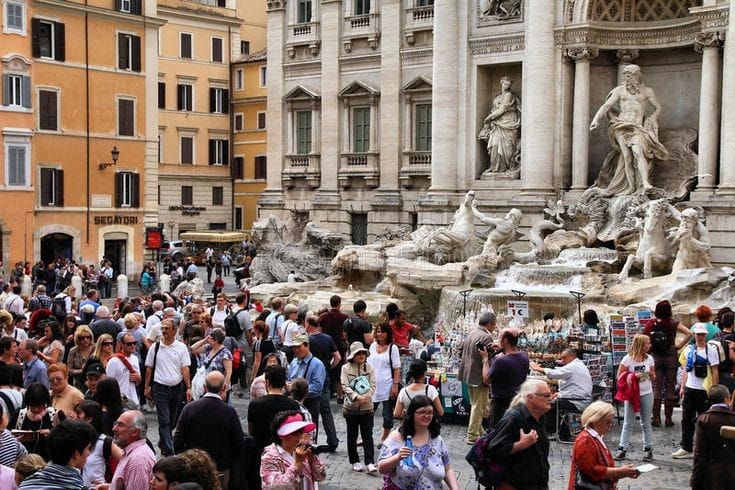
    Just four years ago, bustling cities and renowned streets were hauntingly deserted as the global tourist sector came to a halt. Hotels shut down, eateries dimmed their lights, and entire industries teetered on the brink of collapse. Fast forward to 2024, and the pendulum has swung in the opposite direction, some of the world’s most beautiful destinations are grappling with revenge tourism, even contemplating the unthinkable: shutting their doors to tourists to survive.

    Revenge tourism refers to how travelers are doubling down on recovering the time lost to travel during COVID-19. Instead of traveling once a year, many are now taking two or three trips annually.

    This year, the travel sector is projected to reach a record-breaking economic contribution of $11.1 trillion, making it a significant year for tourism revenues. However, the surge in tourism isn’t universally welcomed. Some countries and local communities are grappling with the downsides of becoming popular tourist destinations, such as cultural erosion and the strain on local resources.

    Revenge tourism has led to significant challenges in popular destinations. In Barcelona, for example, locals have expressed their frustration through protests, including one where they used water guns to squirt tourists dining in open cafes. This protest was part of a broader movement against mass tourism, which many residents feel has disrupted their daily lives and increased the cost of living. The influx of tourists has led to higher prices for restaurants, hotels, and even apartments, as many properties are converted into short-term rentals.

    Similarly, in small towns like Hallstatt in Austria, often mistaken for the inspiration behind Disney’s “Frozen”, the situation is even more pronounced. With a population of just 800, Hallstatt sees hundreds of thousands of tourists, many of whom are day-trippers. These visitors often do not contribute significantly to the local economy but still cause congestion and strain local resources.

    These examples highlight the complex dynamics of revenge tourism, where the desire to travel and make up for lost time during the pandemic clashes with the capacity and tolerance of local communities. In the episode titled “Revenge of the Tourists” from Trevor Noah’s What Now? podcast, Trevor and travel journalist Rajan Datar unpack the intricate dynamics of modern tourism. One major theme they explore is the growing issue of overtourism, where popular destinations become overwhelmed by the sheer volume of visitors. This influx leads to rising living costs, displacement of locals, and degradation of the environment. The discussion highlights local reactions to this burden, including instances of communities actively resisting tourists, such as locals in Spain using water guns to deter disruptive visitors.

    While the economic benefits of tourism are undeniable, bringing much-needed revenue and job creation to many regions, Datar emphasizes that these gains often come with steep social and environmental costs. He advocates for sustainable tourism practices as a solution, underscoring the need for responsible travel that benefits both tourists and the communities they visit. Striking this balance is crucial to ensuring tourism remains a force for good rather than a disruptive influence.

    What sustainable practices can we implement amidst this boom? The late Anthony Bourdain once said we must be travelers, not tourists. A good example is how Copenhagen rewards tourists who behave well through the CopenPay initiative. This program allows visitors to earn points for making sustainable choices, such as using public transport, staying in eco-friendly accommodations, and dining at sustainable restaurants. These points can be redeemed for free experiences in the city.

    Kenya’s tourism industry is also on an upward trajectory, gradually recovering with several commendable practices aimed at attracting both local and international tourists. These include community-based tourism, which involves local communities in tourism activities to ensure they benefit directly, providing tourists with authentic cultural experiences. Sustainable wildlife tourism has also been emphasized, focusing on conservation efforts and responsible wildlife viewing through support for national parks, eco-friendly lodges, and camps.

    Digital marketing campaigns on social media platforms showcase not only famous safaris but also lesser-known destinations, while improved infrastructure, including better roads and airports, enhances travel convenience and safety. Eco-tourism initiatives, such as renewable energy use and waste management systems, promote environmentally friendly accommodations. Cultural festivals and events celebrate Kenya’s rich heritage, attracting tourists to various parts of the country. Finally, stringent health and safety protocols introduced after the COVID-19 pandemic ensure the well-being of visitors, making Kenya a more attractive and sustainable destination.

    While the booming tourism industry promises economic prosperity, it also demands a recalibration of sustainable practices to ensure the preservation of both peace and local cultures.